Category
130 Best National Parks In The UK
Britain's national parks are among the most stunning landscapes you'll experience without leaving the UK — vast moorlands, dramatic coastlines, deep valleys, and ancient forests where children can run freely and families can walk for hours without seeing much sign of civilisation. There are 130 attractions within national park boundaries, ranging from visitor centres and managed trails to open moorland and fell-walks where you set your own route. For families, national parks offer something increasingly rare: the chance to be properly outdoors, away from crowds, where the main attraction is the landscape itself rather than a specific 'thing to do' or paid experience.
Showing 1–12 of 130
 National Parks
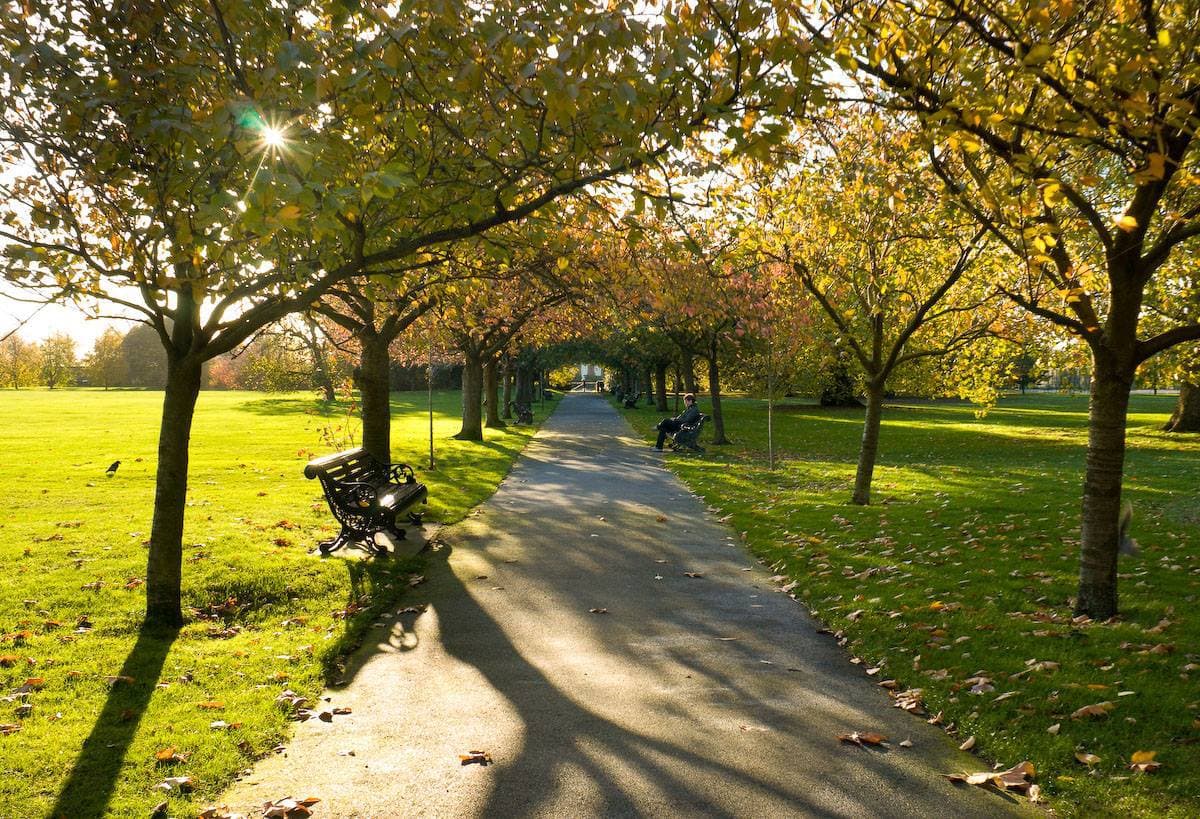
Greenwich Park
 National Parks
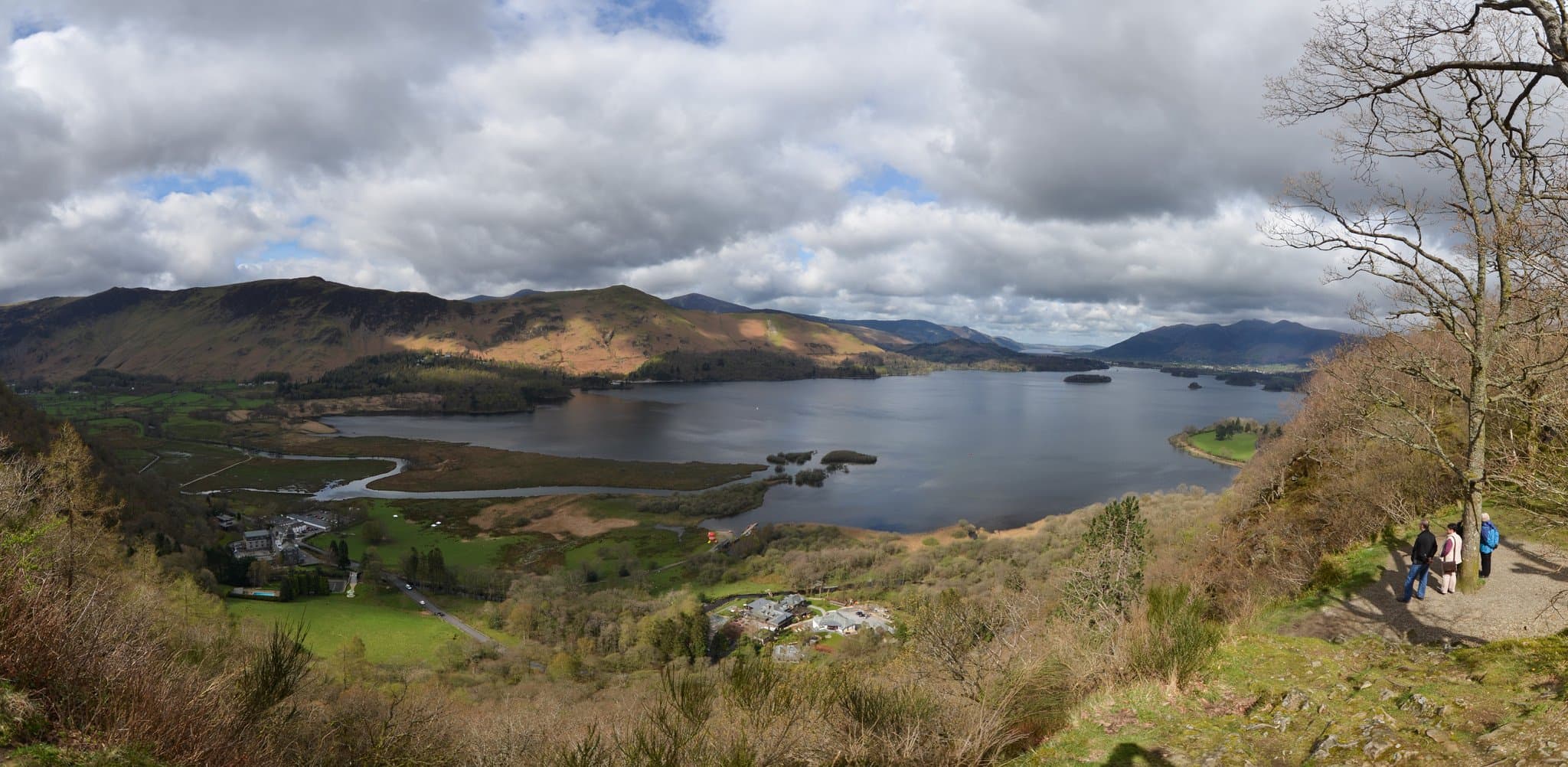
Lake District National Park
 National Parks
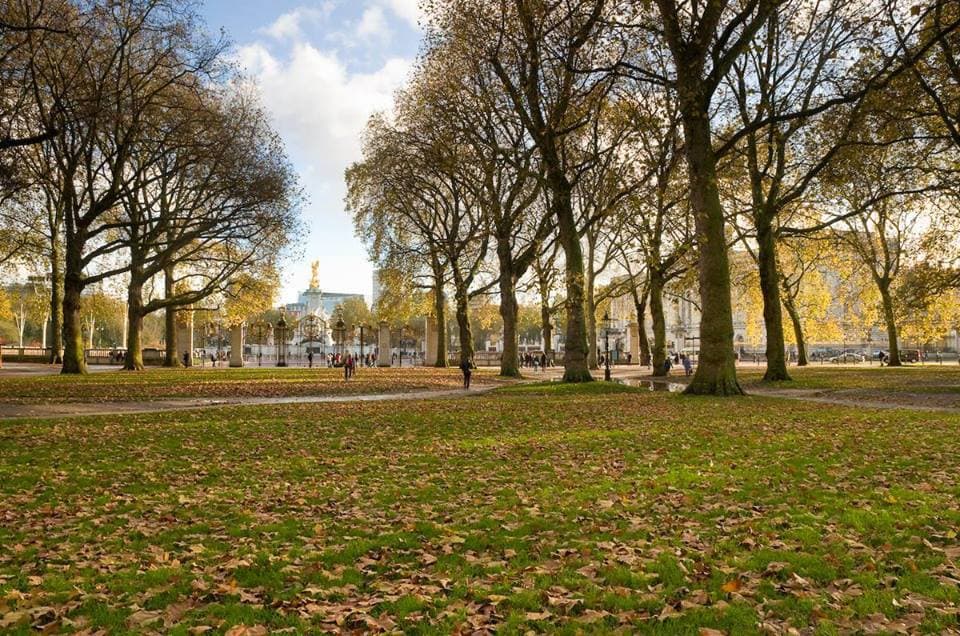
Green Park
 National Parks
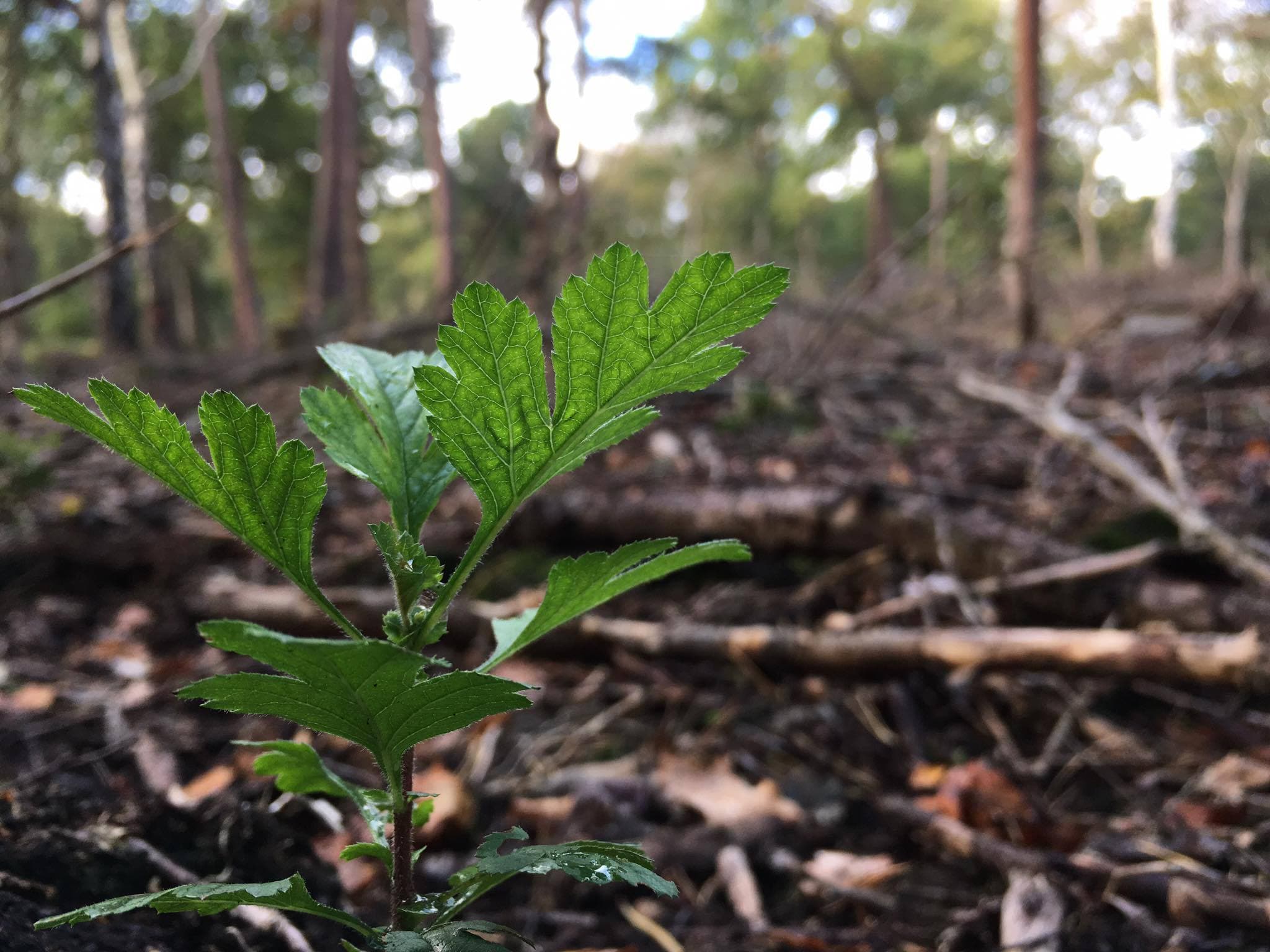
Sutton Park
 National Parks
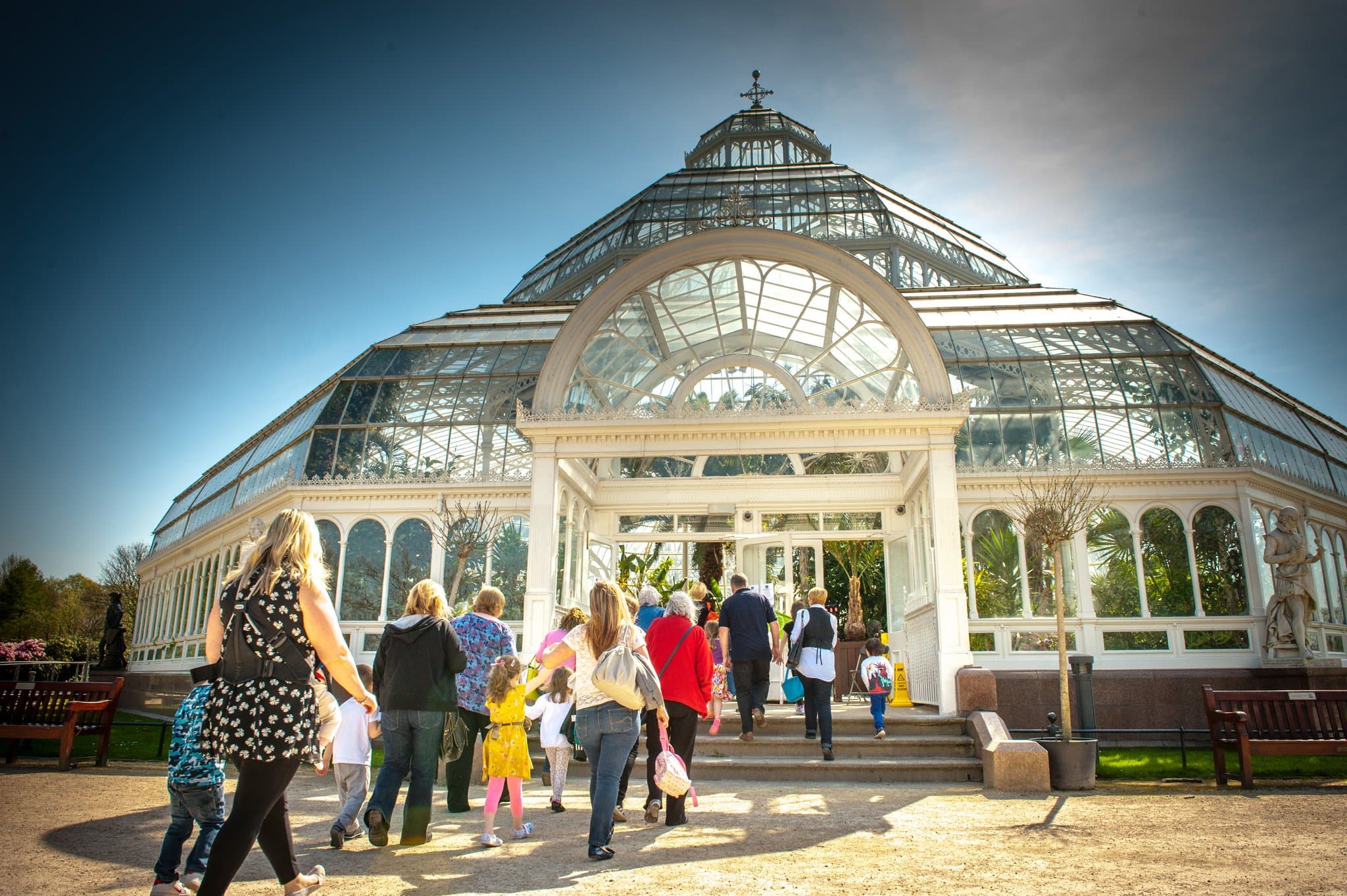
Sefton Park
 National Parks
Royal Victoria Park
 National Parks
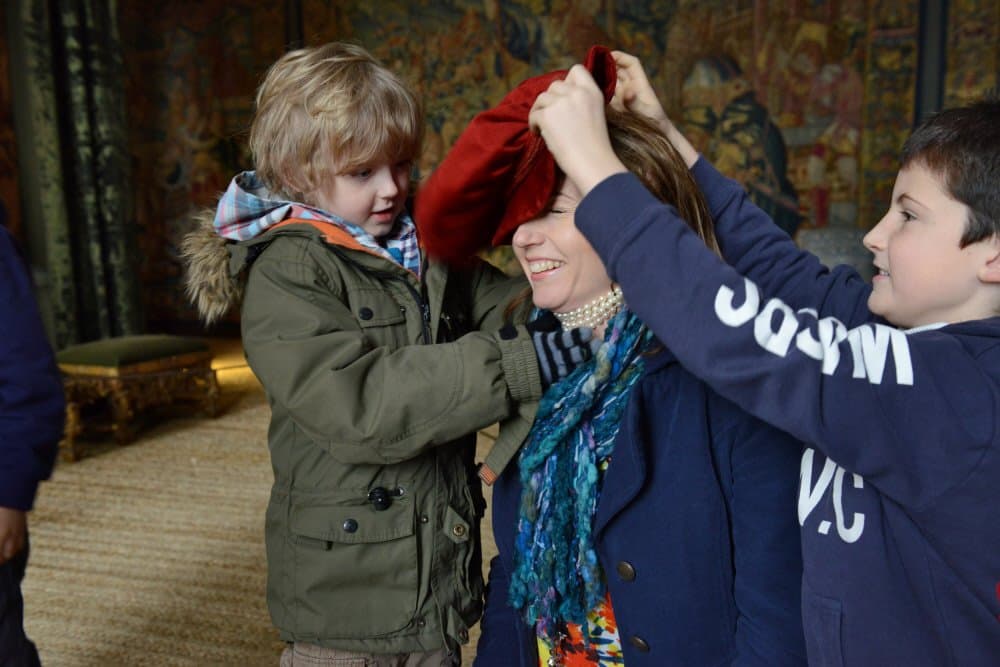
Hardwick Hall
 National Parks
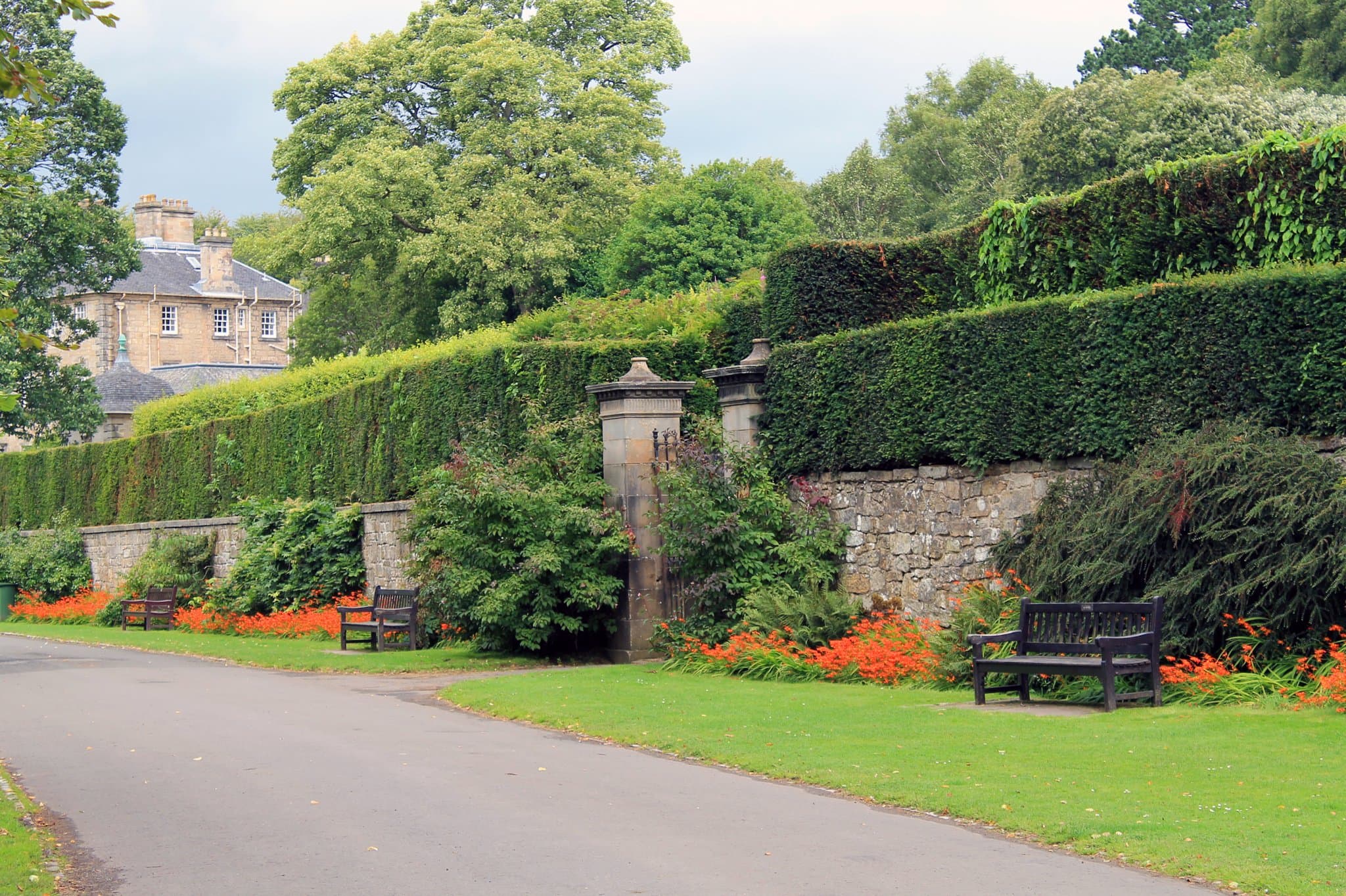
Pollok Country Park
 National Parks
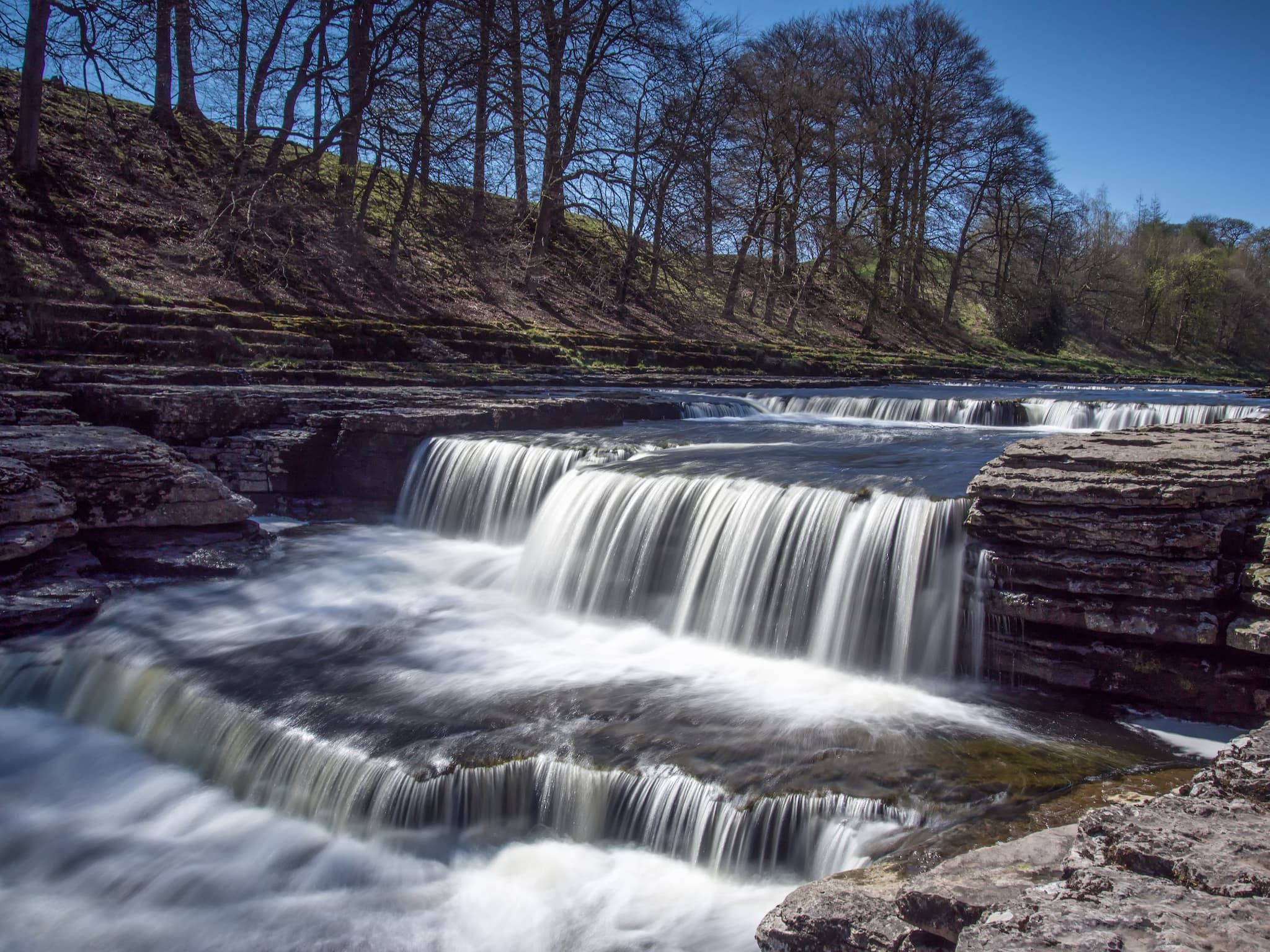
Aysgarth Falls
 National Parks
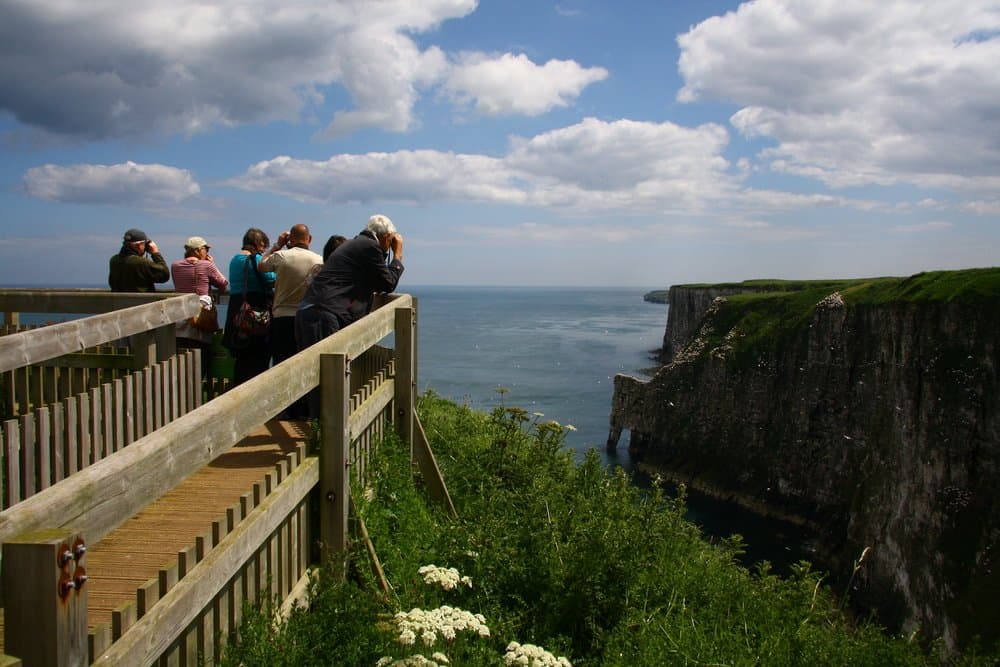
RSPB Bempton Cliffs
 National Parks
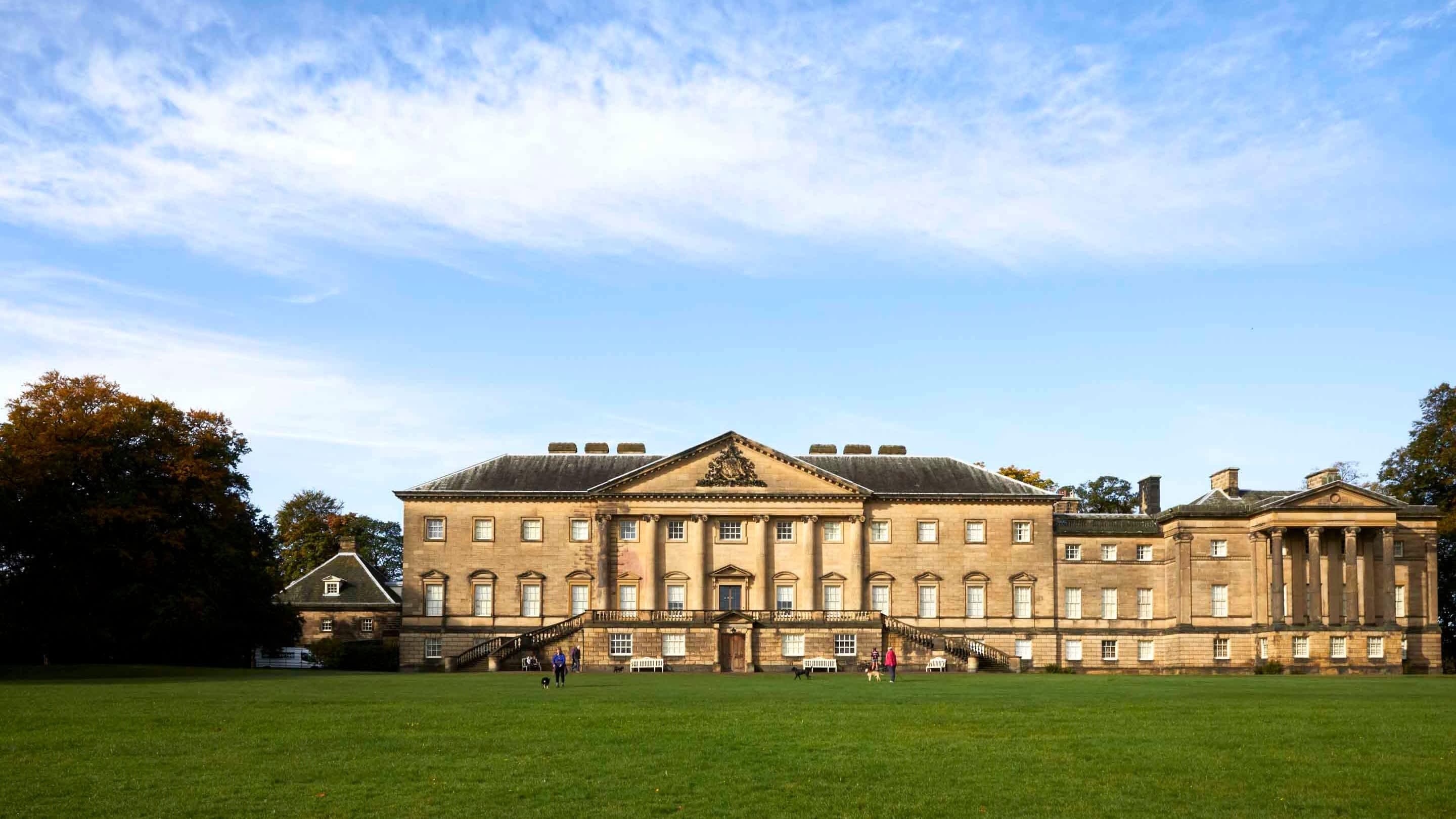
Nostell Priory - National Trust
 National Parks
Promenade Park
A national park visit needn't mean an ambitious fell walk or full-day hike. Many parks have gentle riverside walks, lakeside strolls, or clearly marked short trails perfect for younger children or families who prefer to take things slowly. The key is checking what facilities each park offers (visitor centres, car parks, toilets, refreshment stops) before you visit, so you can plan accordingly. Children who grow up spending time in national parks develop a different relationship with the outdoors — one where exploration and freedom matter more than attractions and entertainment.
National Parks in the UK: FAQs
Are national parks suitable for families with very young children?
Yes, absolutely — many families visit national parks with babies and toddlers, though preparation matters. Visitor centres often have good facilities including toilets, changing rooms, and baby-friendly cafes. Well-maintained paths and trails accommodate pushchairs perfectly well, though terrain varies. Some parks have specific family-friendly walks marketed as suitable for buggies; others have rougher paths where you'd need an all-terrain pushchair or baby carrier. Before visiting with a very young child, check the park's website for specific trail recommendations, or email the visitor centre to ask about pushchair-accessible routes. Many parks have car parks right at trailheads, meaning you don't need to walk far before reaching open space.
What equipment do we need for a national park visit?
This depends entirely on what you're planning to do. A short riverside walk on a clear day needs only sun cream and water. A longer fell-walk requires proper walking boots, weather-appropriate clothing (including waterproofs, as weather changes fast in UK mountains), and a map or navigation app. Younger children need snacks, sun protection, and extra layers. Most people carry a small rucksack with water, snacks, first aid items, and a phone for emergencies. If you're heading into remote areas, tell someone where you're going and when you expect to return. Start with easier, well-marked trails if you're new to hill walking, and build confidence gradually. Many visitor centres sell maps and provide trail recommendations matched to your fitness level.
What's the best time of year to visit a national park with children?
Late spring through early autumn (May to September) offers the most reliable weather, longest daylight hours, and easiest conditions for family visits. Summer school holidays mean busier car parks and trails but also the most predictable weather. Spring brings new growth and lambs in pastoral parks; autumn offers stunning colours but increasingly unpredictable weather. Winter visits are possible but require proper preparation — shorter daylight hours, colder temperatures, and more challenging conditions mean they suit experienced families rather than novices. Many families find September and May ideal: warm enough for comfort, less crowded than July and August, but still plenty of daylight. Whatever season you choose, always check weather forecasts and allow much longer walking times than you think you'll need.
Do national parks charge entry fees, and what about facilities?
Entering national parks is free — you pay nothing to walk in the open landscape. However, some specific attractions within parks (visitor centres, car parks, managed facilities) may charge for parking or entry. A small number of walking experiences (guided walks, ranger-led activities) charge fees. Most visitor centres are free to enter and have excellent facilities including toilets (usually a priority with young children), cafes, and shops. Car park charges vary but typically cost a few pounds for a few hours. Having an annual car park pass or membership to organisations like the National Trust (which manages some park facilities) makes regular visits more economical. For families planning multiple visits, checking parking costs and facilities beforehand helps with budgeting.