Category
191 Best Zoos and Wildlife Parks In The UK
A trip to see wild animals — whether that's viewing them from a safe distance in a large enclosure or watching falcons and owls in a more intimate setting — sparks something different in most children. The UK is home to 191 zoos, wildlife parks, and animal sanctuaries, ranging from sprawling facilities where you might spend the whole day to specialist centres focused on birds of prey or seal rescue. The Jungle Zoo, The Staffordshire Owl Experience and Birds of Prey Rescue Centre, and Falconry UK represent the specialist end of the spectrum, whilst larger facilities showcase a broader range. What unites them is the chance to see creatures most of us only read about: big cats, primates, reptiles, and unusual birds. Some are traditional zoos; others are conservation-focused sanctuaries or interactive centres where you can learn about specific species and their habitats.
Showing 1–12 of 191
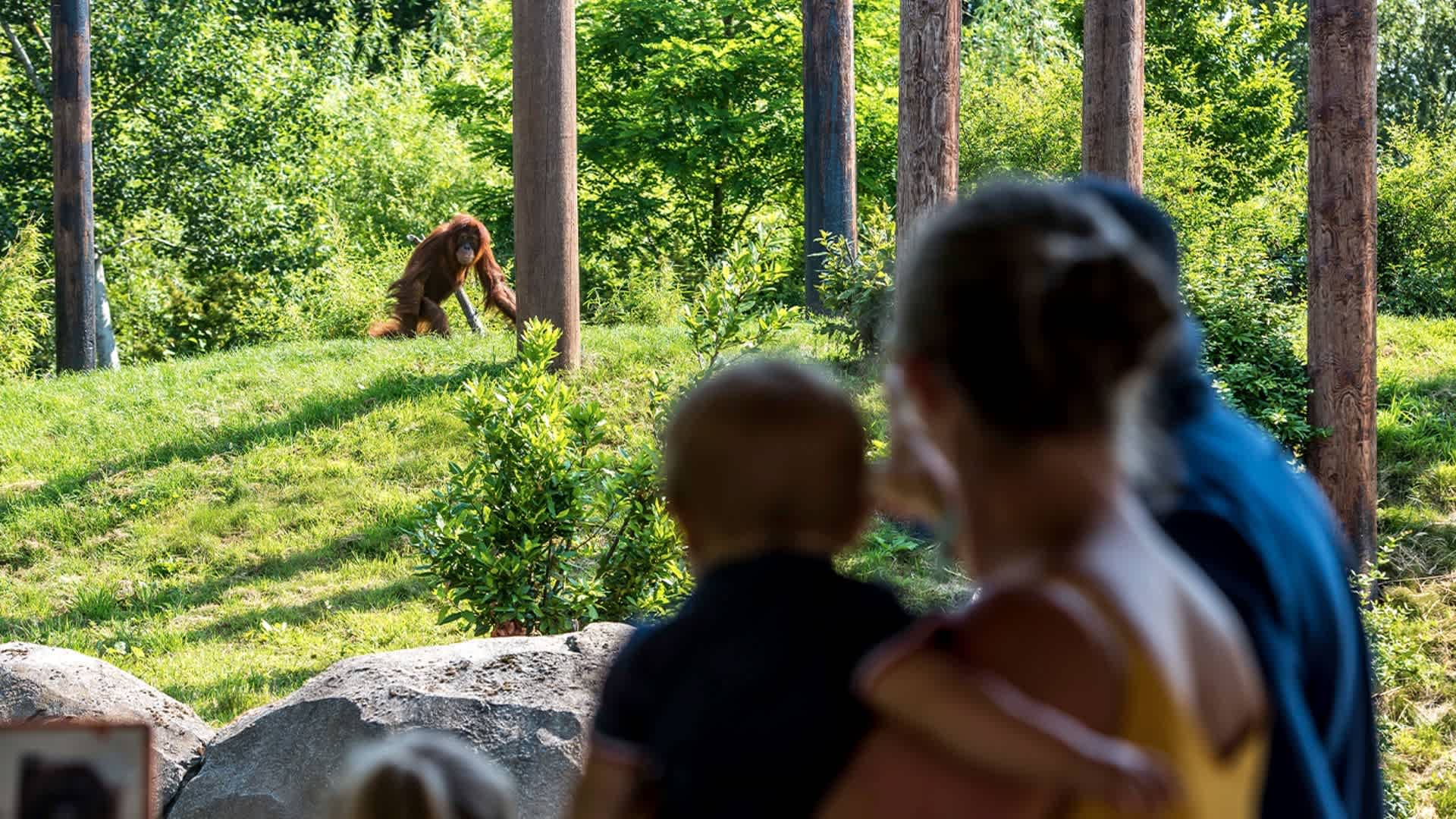 Zoos and Wildlife Parks
Chester Zoo
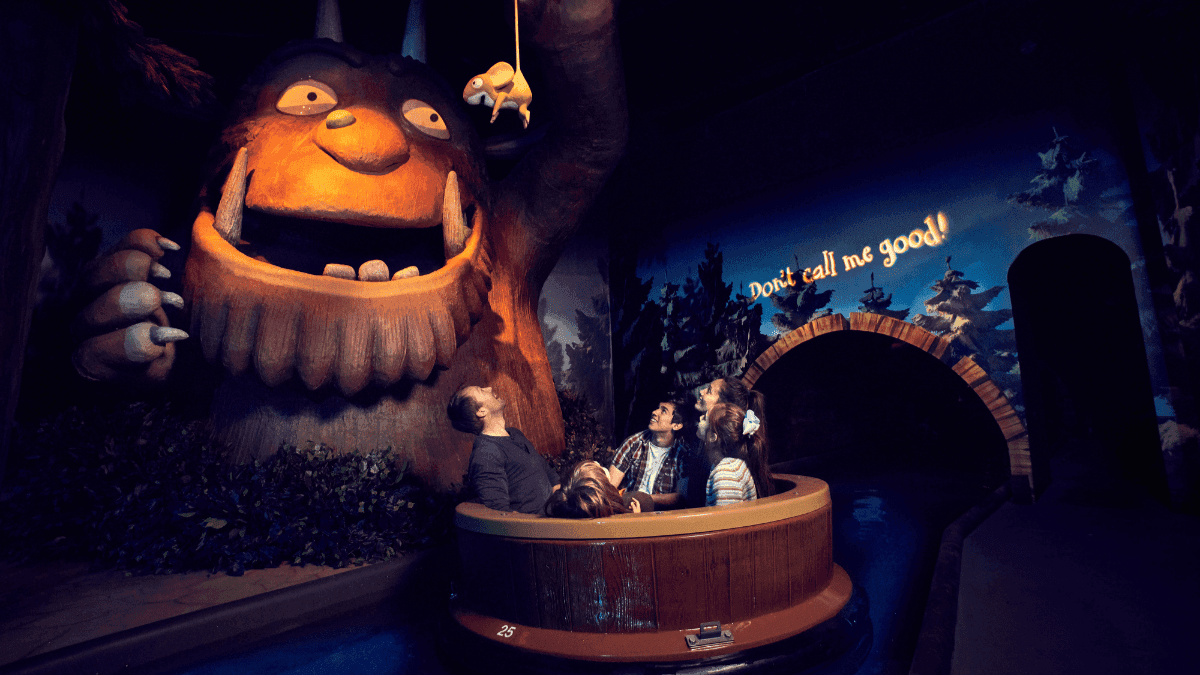 Theme Parks
Chessington World of Adventures Resort
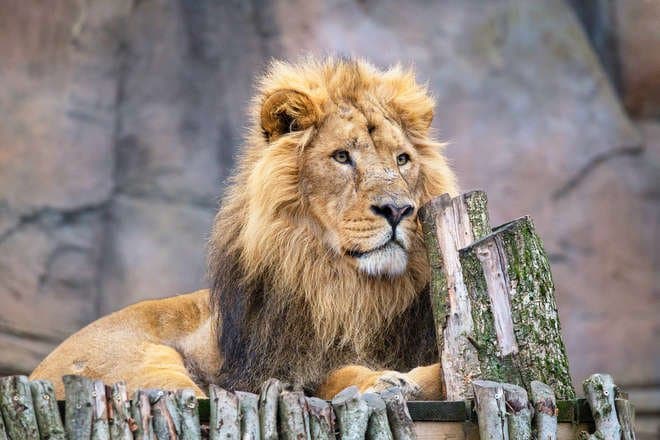 Zoos and Wildlife Parks
London Zoo
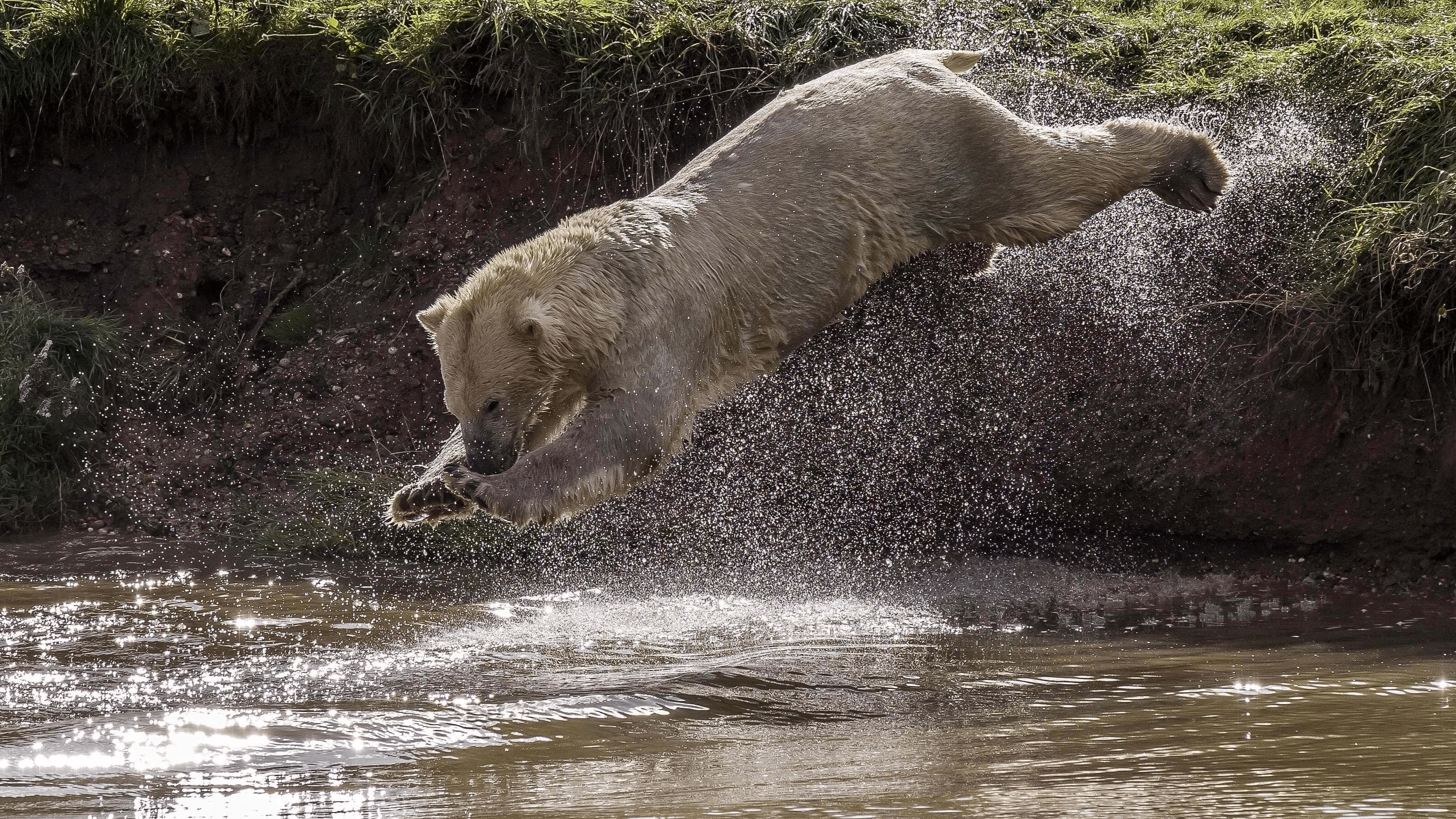 Zoos and Wildlife Parks
Yorkshire Wildlife Park
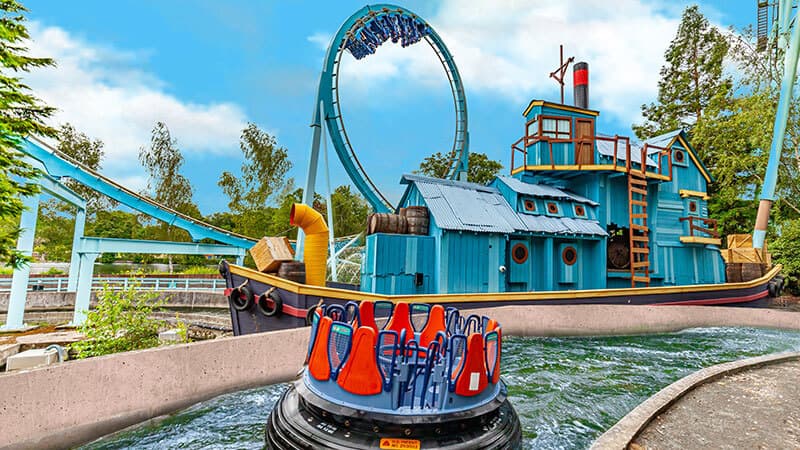 Theme Parks
Drayton Manor Resort
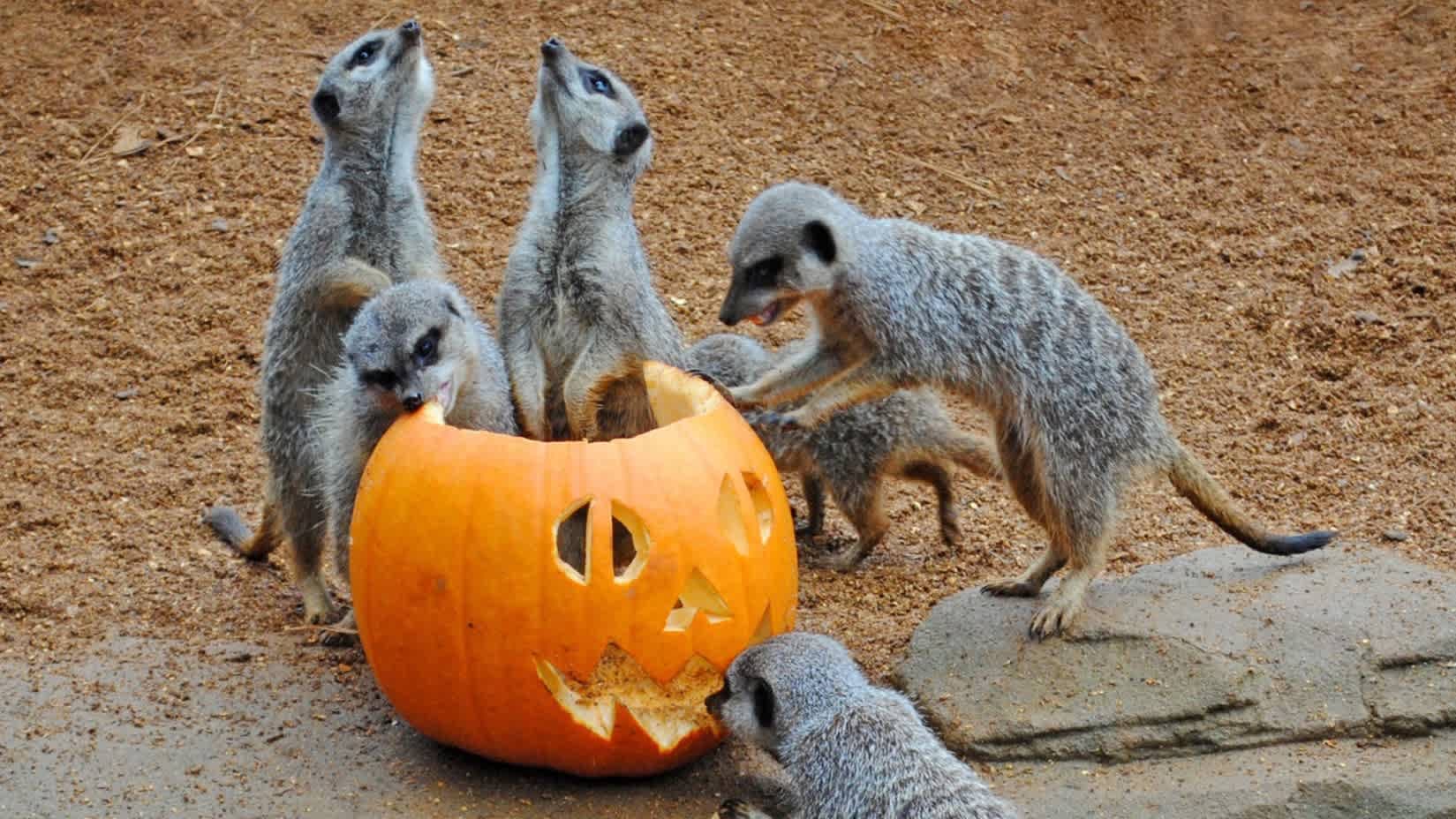 Zoos and Wildlife Parks
Colchester Zoo
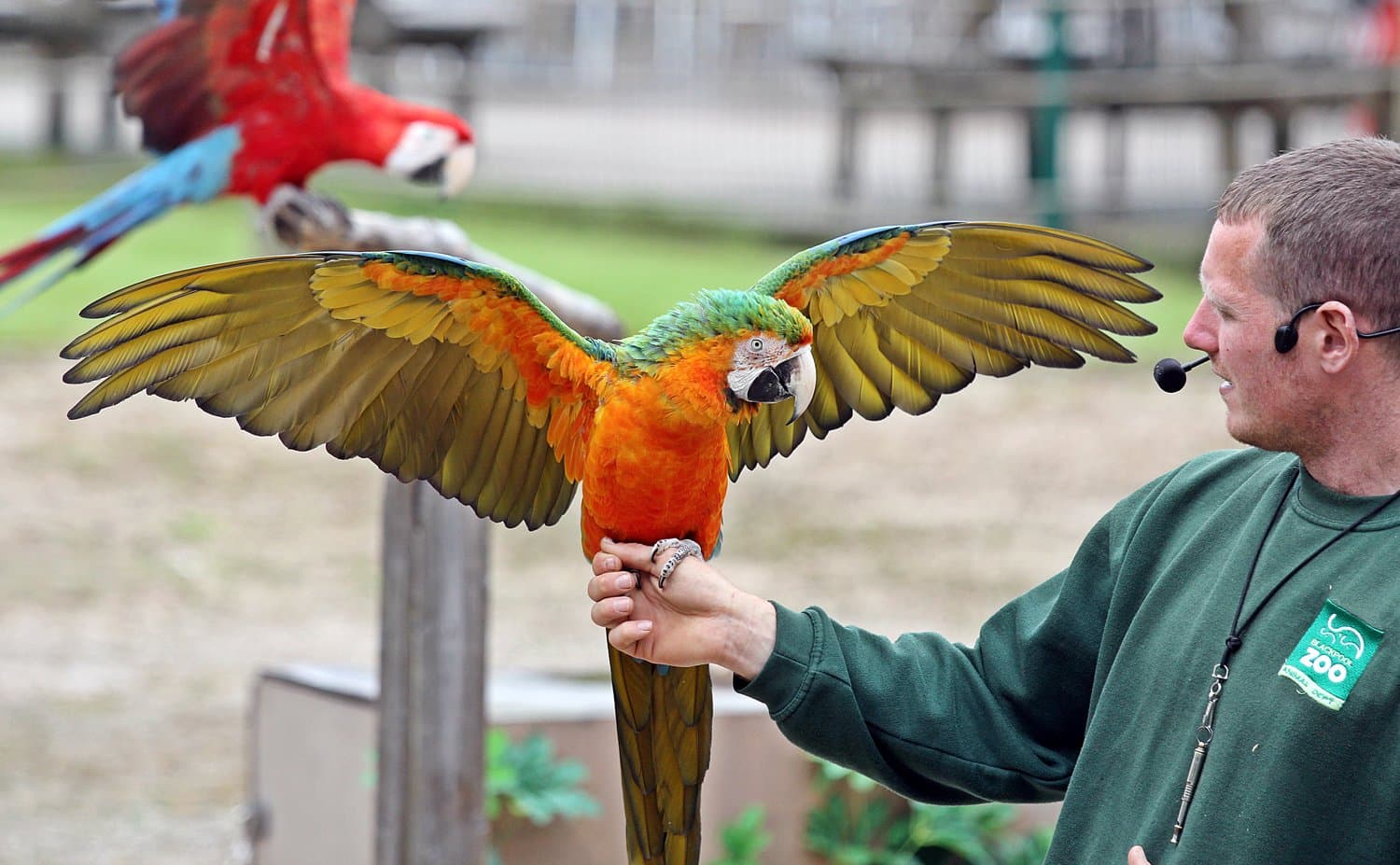 Zoos and Wildlife Parks
Blackpool Zoo
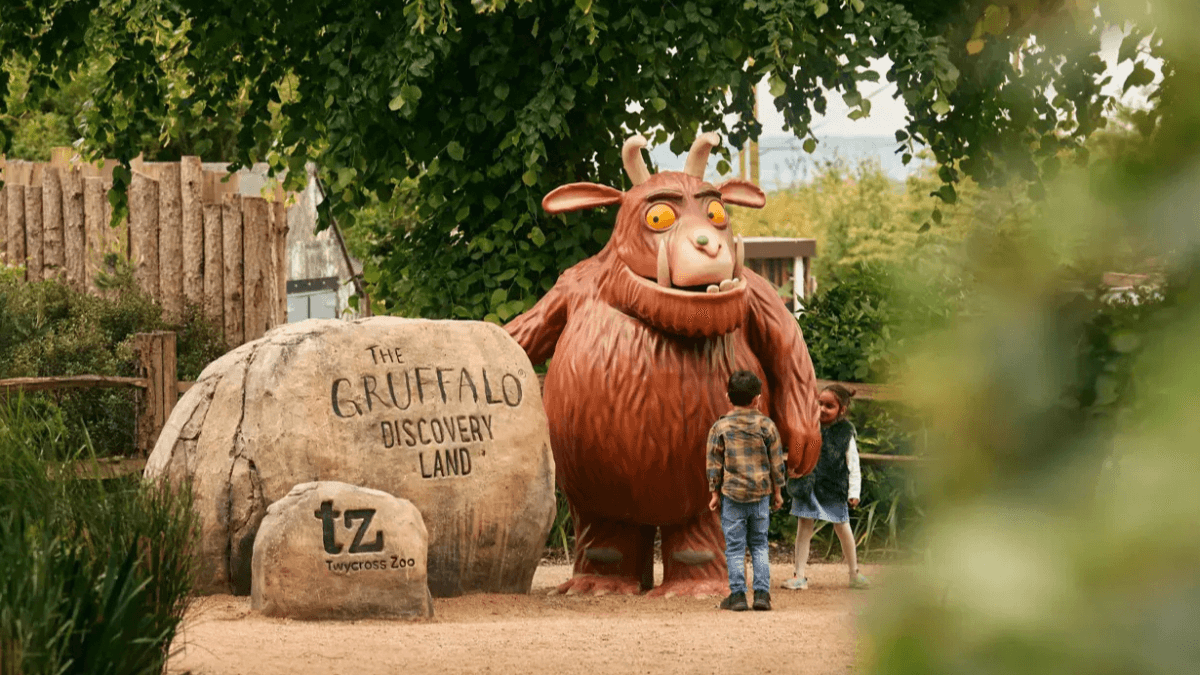 Zoos and Wildlife Parks
Twycross Zoo
 Zoos and Wildlife Parks
Edinburgh Zoo
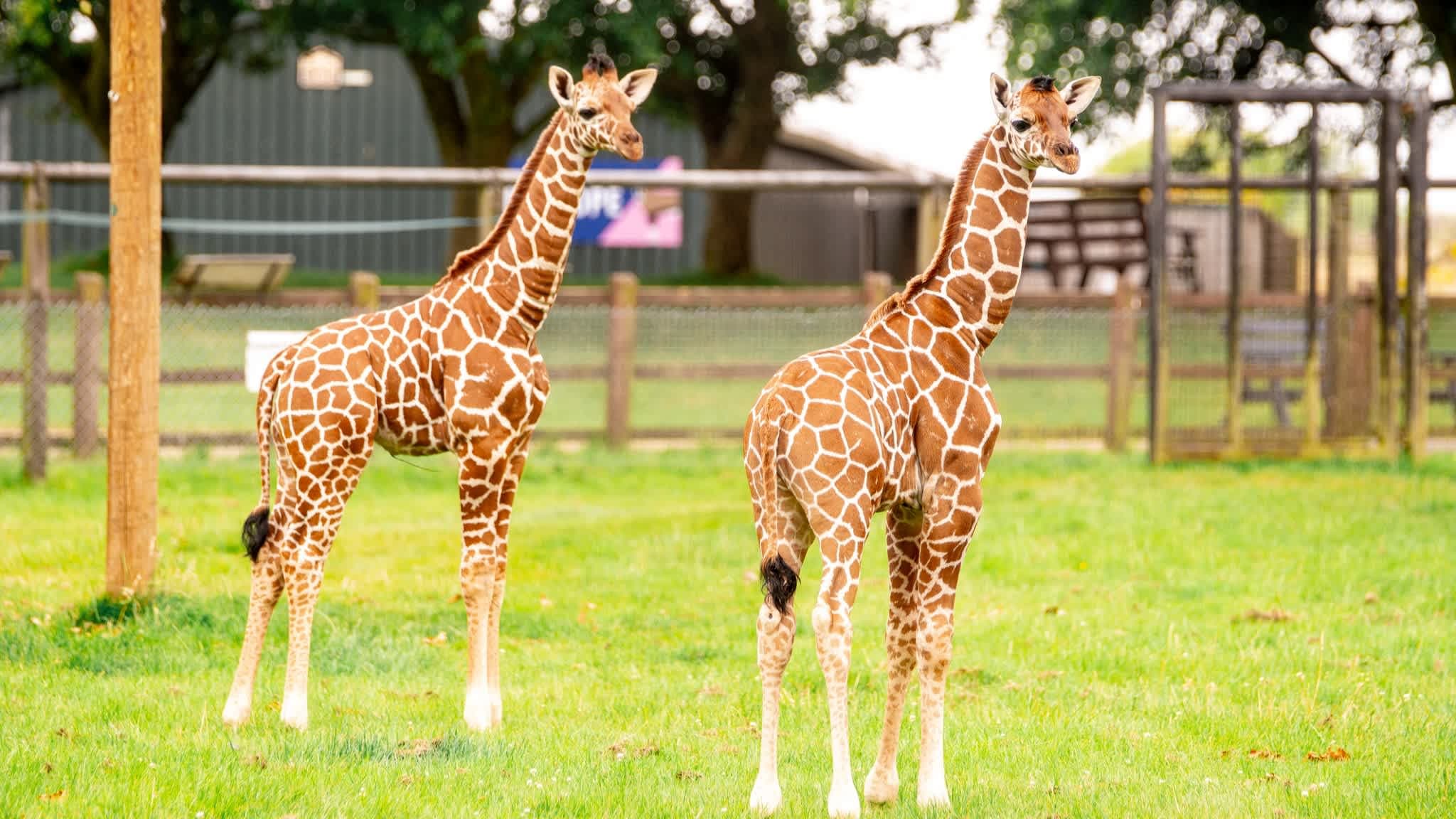 Zoos and Wildlife Parks
Whipsnade Zoo
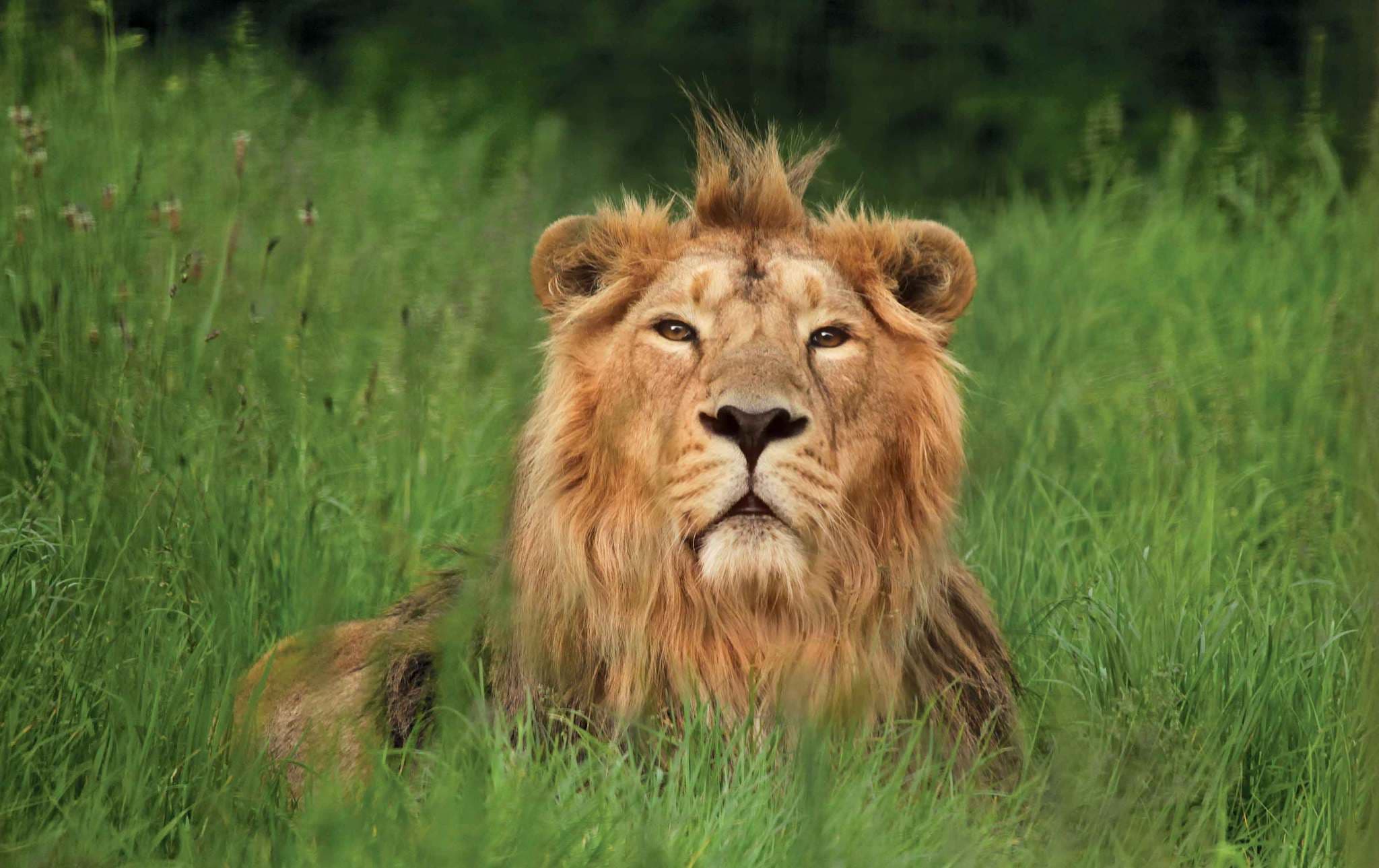 Zoos and Wildlife Parks
Cotswold Wildlife Park and Gardens
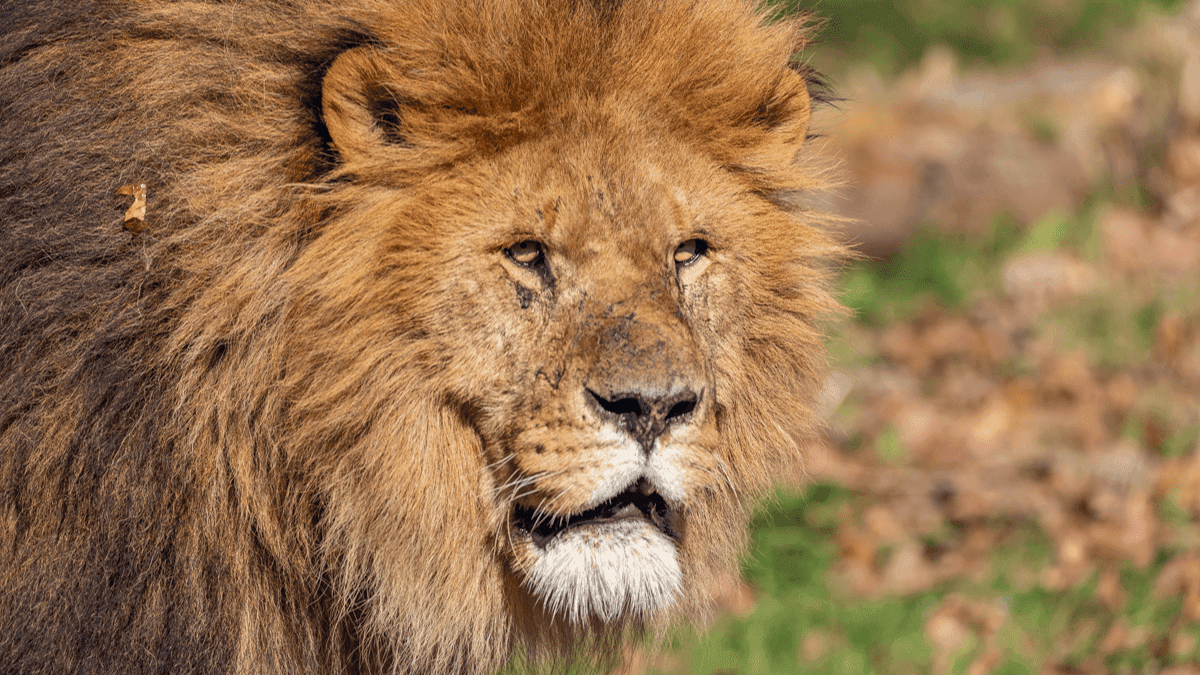 Zoos and Wildlife Parks
Paignton Zoo
Wildlife attractions work best when you adjust your expectations to suit the venue. Some are designed for a leisurely morning stroll; others require proper walking boots and physical preparation. What matters most is matching the visit to your children's ages and interests — and your own energy levels — rather than ticking off every enclosure. Many children remember a specific animal encounter or a particular talk far more than seeing everything the facility has to offer.
Zoos and Wildlife Parks in the UK: FAQs
What's the difference between a zoo and a wildlife park?
The terms are sometimes used interchangeably, but there's often a practical difference. Traditional zoos typically have animals in smaller enclosures that you walk around on paths, whilst wildlife parks usually feature animals in larger, more naturalistic habitats where you might view them from a vehicle or elevated walkway. Some UK facilities call themselves 'sanctuaries' or 'rescue centres,' which usually means they focus on specific species (like owls or seals) and offer education alongside viewing opportunities. Some combine elements — a traditional zoo section plus a drive-through area, for example. What matters is checking what the specific venue offers and whether its layout suits your family's needs.
How physically demanding are wildlife attraction visits?
This varies enormously. Some zoos and parks have minimal walking — you can wheel a buggy through most of the attraction or watch animals from a stationary viewing area. Others involve substantial walking on sometimes uneven ground, and a few are set up primarily for visitors who are comfortable hiking or standing for long periods. Most venues provide maps showing distances and difficulty levels, and many have benches, food outlets, and rest areas strategically placed. Before visiting with young children or if anyone in your group has mobility concerns, check the venue's website for accessibility information or call directly to ask about pushchair access and resting spots.
Will my children see a lot of animals, or might they be hidden?
This depends on the specific facility and the time of day. Well-managed UK zoos and parks generally ensure animals are visible during visiting hours — keepers time feeding sessions when visitors are around, and enclosures are designed to encourage animals to show themselves. However, wild creatures don't perform on schedule, so you might visit and find a big cat sleeping in the shade rather than prowling visibly. Morning visits tend to be when animals are most active and visible. Some facilities offer keeper talks or feeding demonstrations at specific times, which guarantee close viewing and education. It's always worth asking staff when you arrive what time animals are typically most active or visible.
Are there any free or cheap wildlife attractions?
The vast majority of UK zoos and wildlife parks charge entry fees, reflecting the cost of animal care and facility upkeep. However, at least one major facility offers free admission, and some smaller sanctuaries or wildlife reserves may be free or very cheap. Local nature reserves and country parks sometimes have wildlife viewing opportunities (bird hides, information boards about local species) that are completely free. Before booking a paid visit, check whether there are free or community access days, and ask about family packages or annual membership rates if you think you'll visit multiple times.