Region
Activities In Scotland
Scotland operates at scale. Three hundred and ninety-seven attractions across a landscape so varied that your kids might visit beaches one week and moorland the next, museum one day and an equestrian centre the next. The 246 indoor attractions and 253 outdoor options aren't just numbers—they reflect a region where weather doesn't limit you and geography shapes experience. Scotland demands more planning than some regions but rewards it with depth.
Showing 1–12 of 563
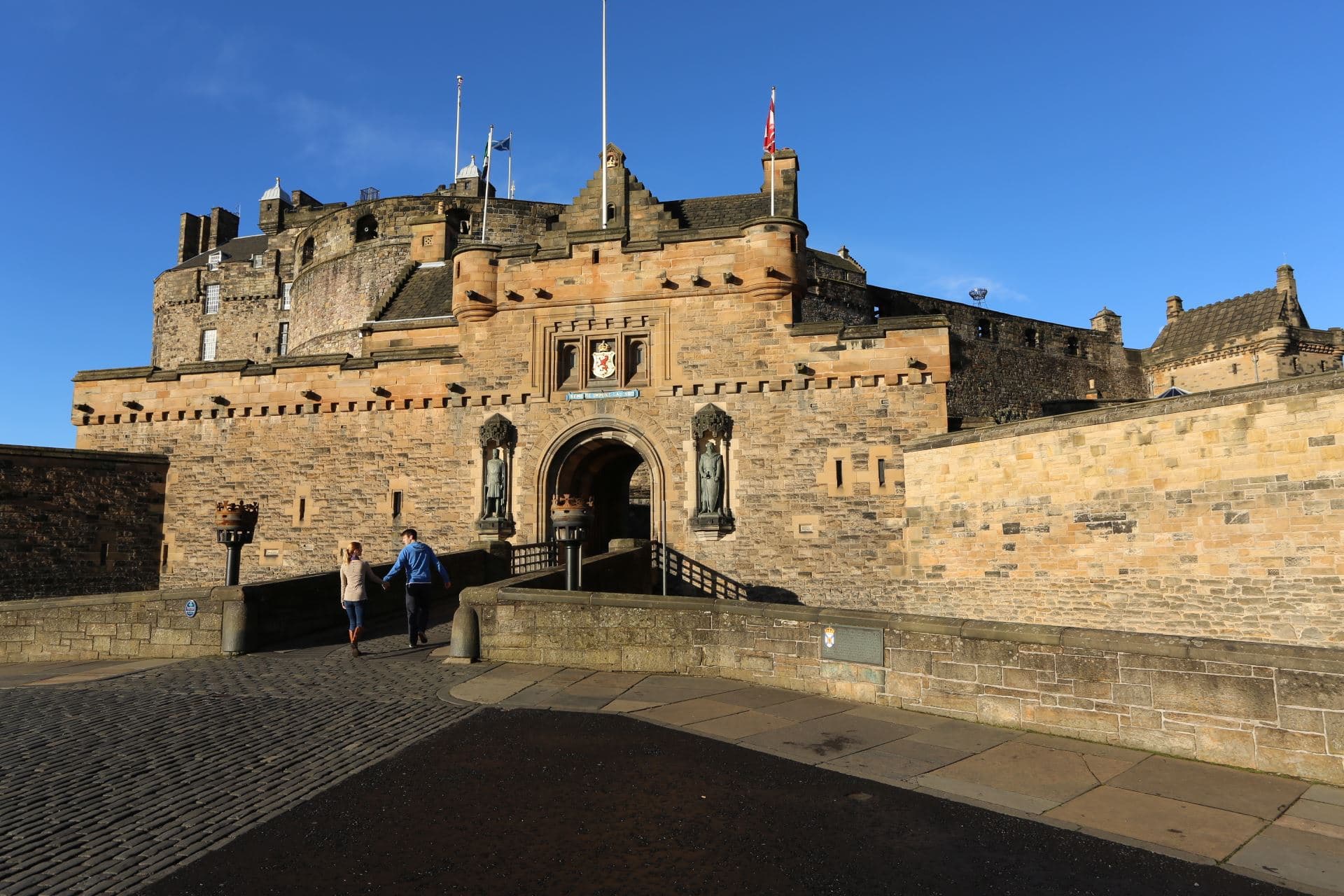 Castles
Edinburgh Castle
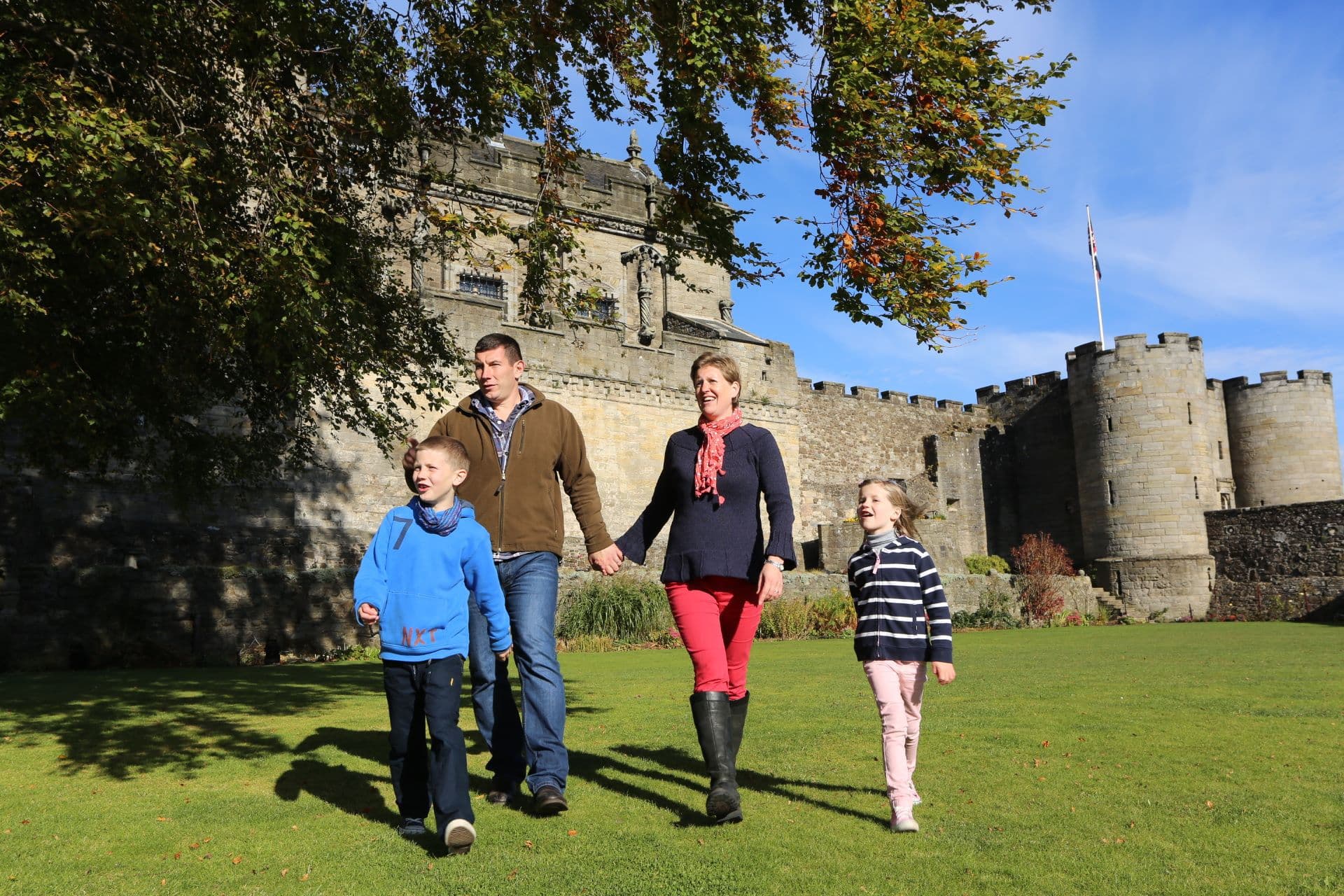 Castles
Stirling Castle
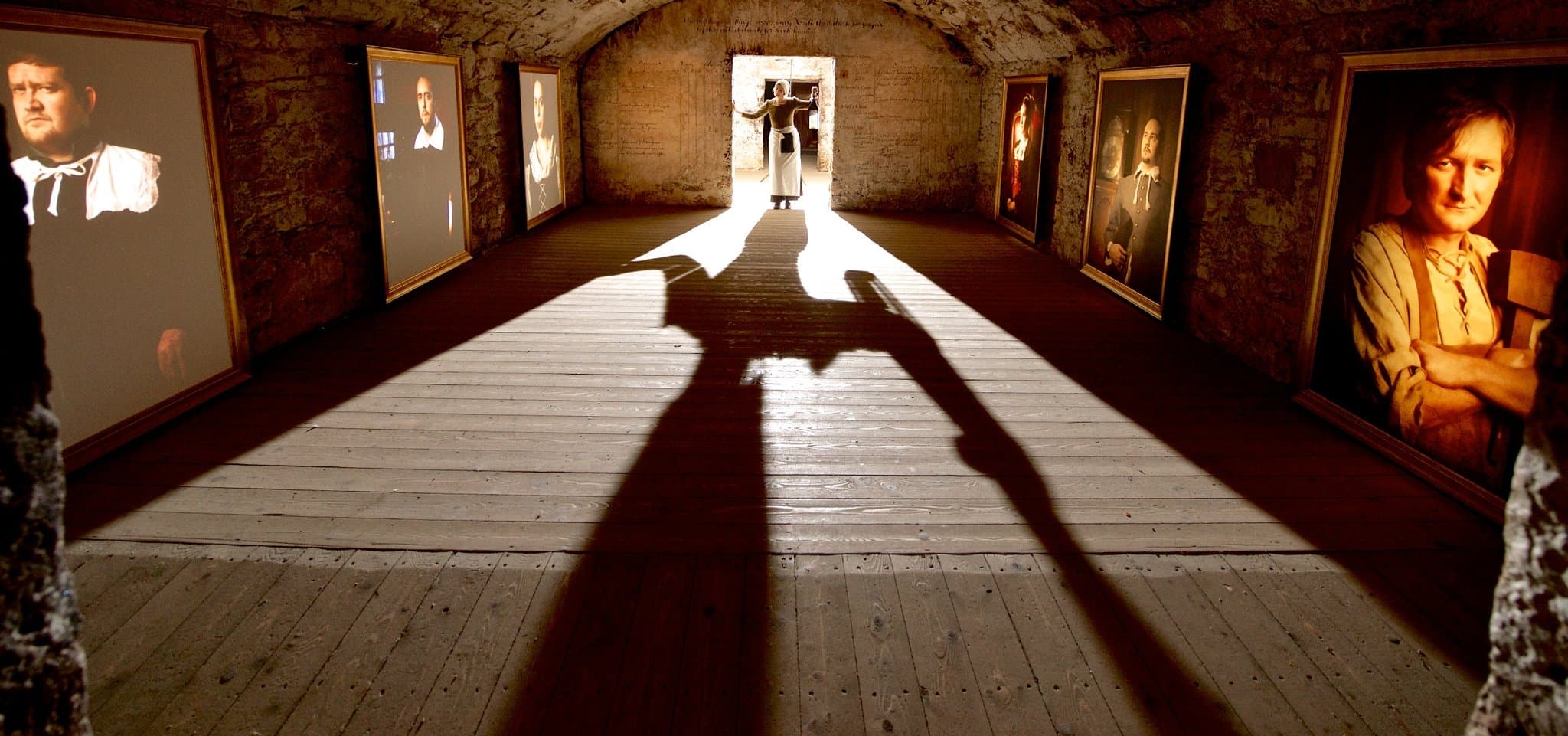 Sightseeing
The Real Mary Kings Close
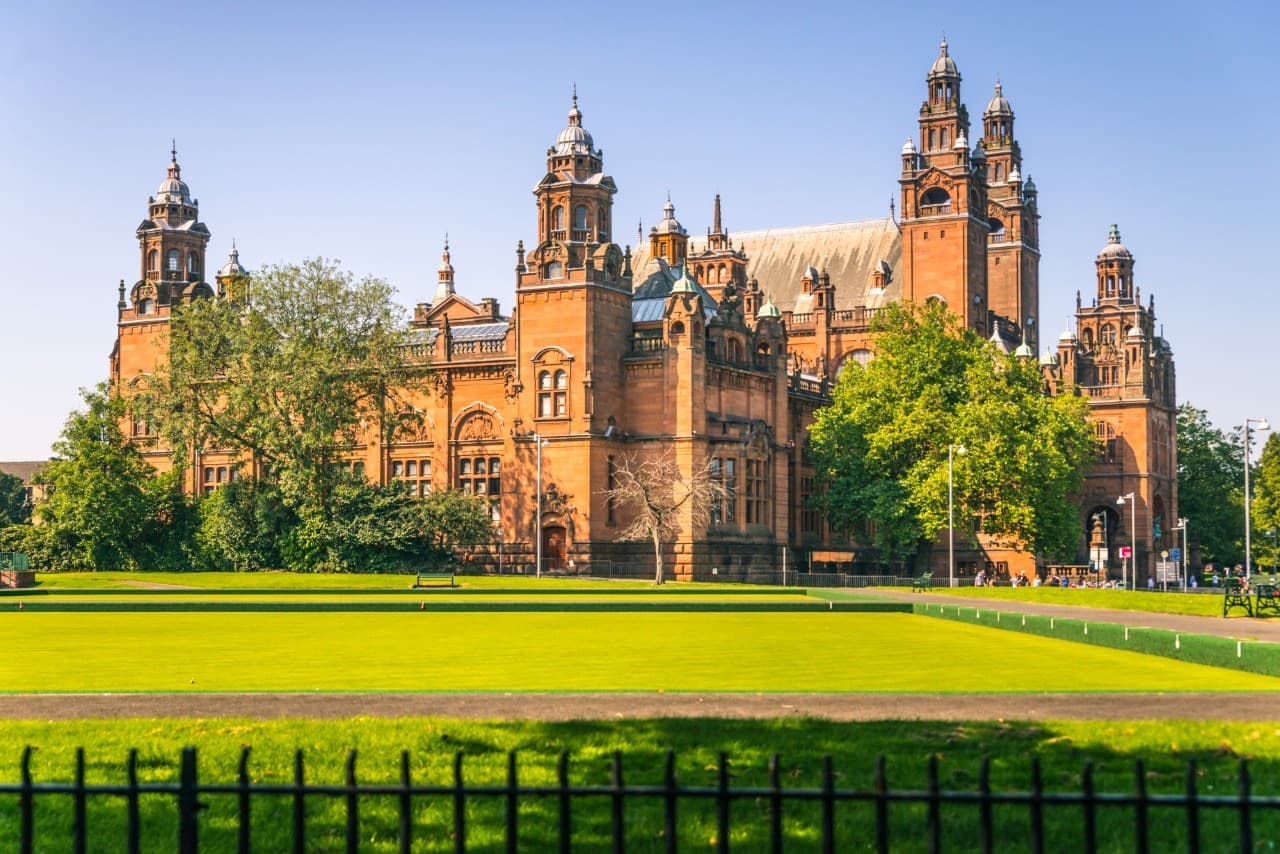 Museums
Kelvingrove Art Gallery and Museum
 Museums
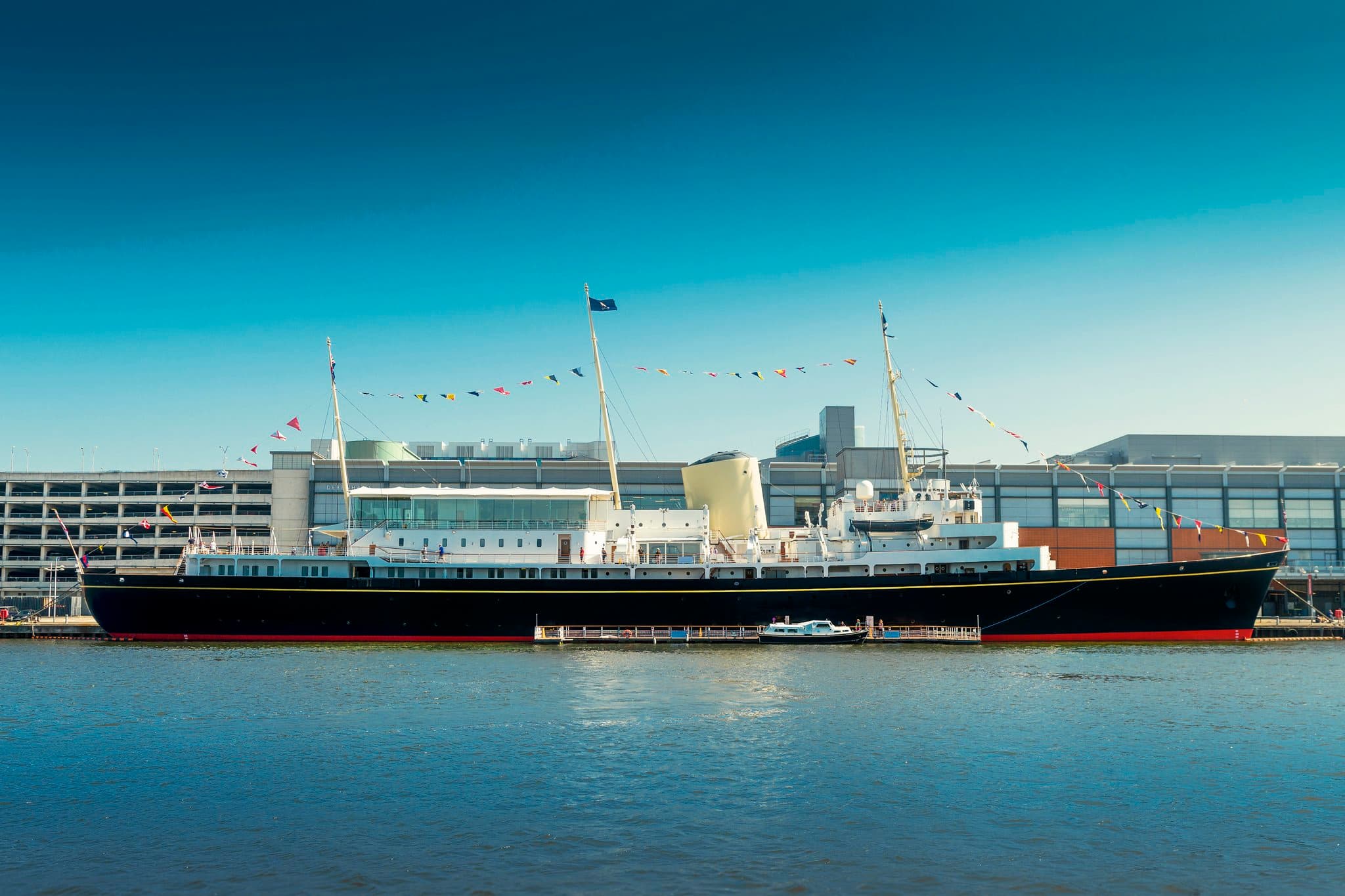
The Royal Yacht Britannia
 Castles
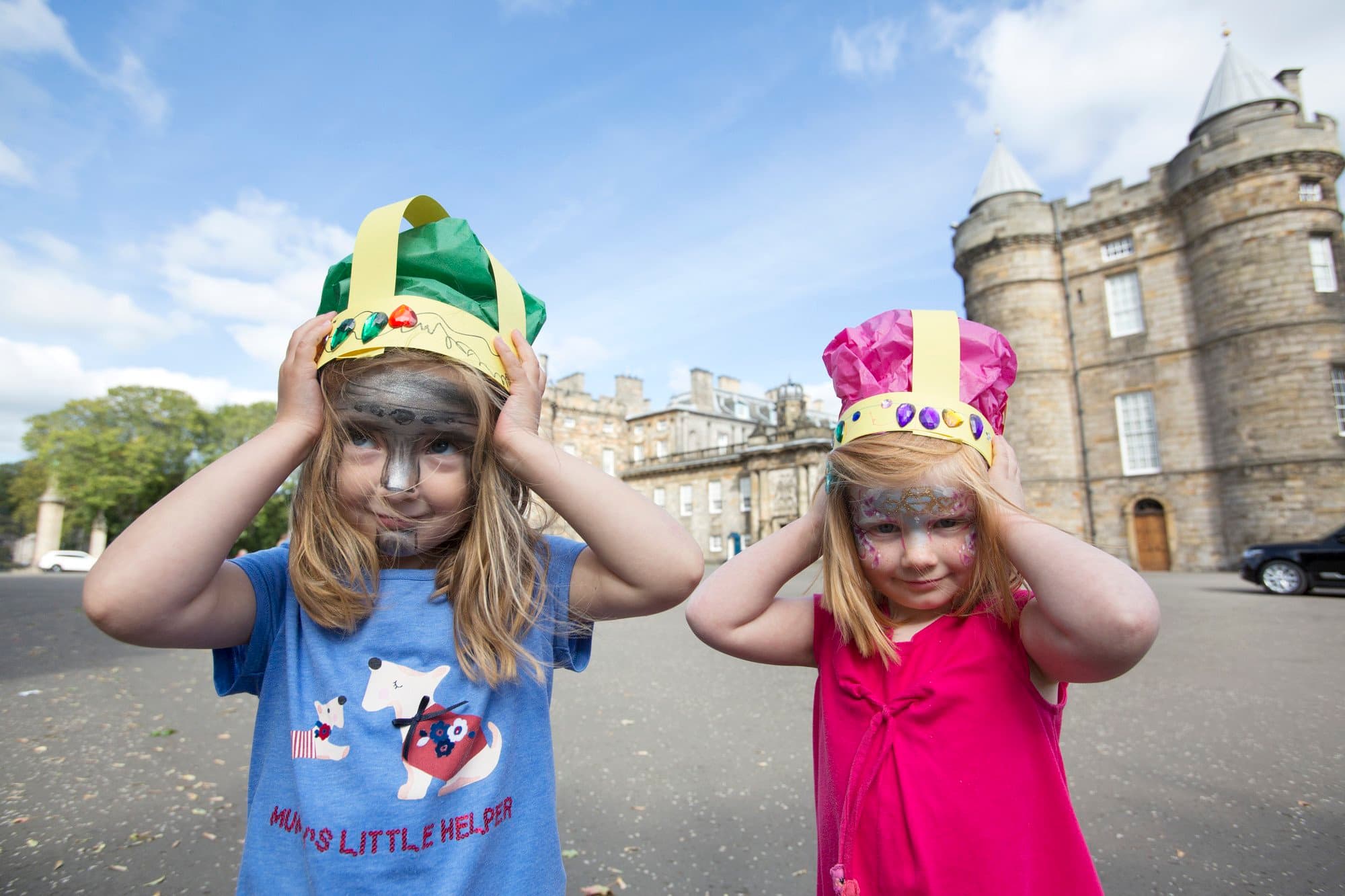
Palace of Holyroodhouse
 Museums
Camera Obscura and World of Illusions
 Museums
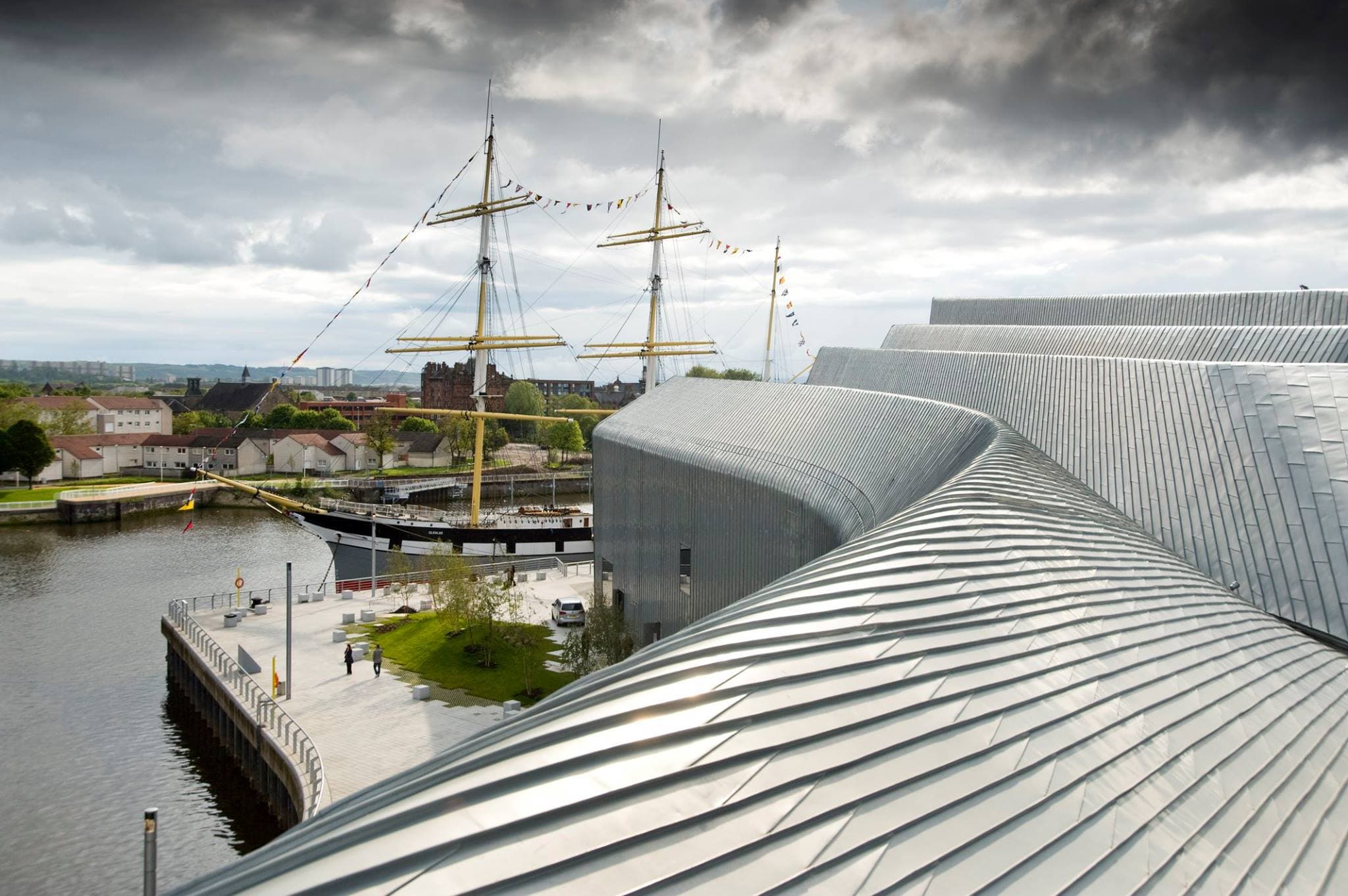
Glasgow Riverside Museum
 Sightseeing
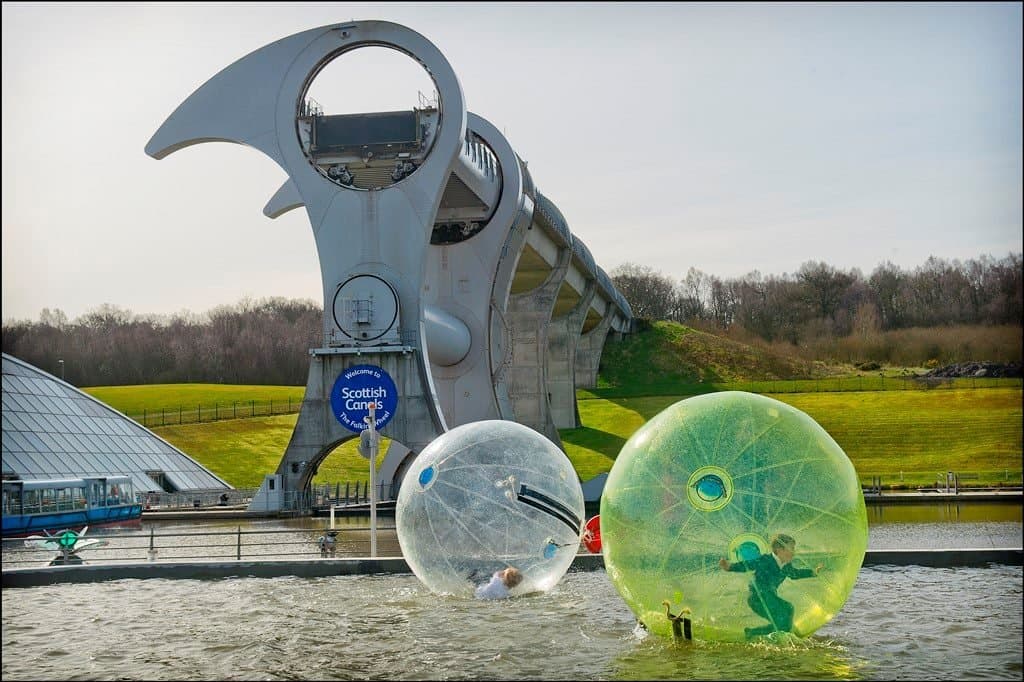
Falkirk Wheel
 Sightseeing
Sandemans Edinburgh Free Tour
 Zoos and Wildlife Parks
Edinburgh Zoo
 Museums
National Galleries Scotland: National
Scotland works best when you accept its scale and plan accordingly. Rather than trying to visit multiple regions, pick one—the highlands, the central belt, the coast—and explore thoroughly. This approach works because Scotland's attractions often have genuine substance and character rooted in landscape and heritage. You'll spend more time driving between locations than in denser regions, but the places you're driving to are often worth it. Families who commit to exploring Scotland properly rather than tick-boxing attractions tend to fall in love with the region.
Visiting Scotland with kids: FAQs
Is Scotland manageable for families, or is the scale too overwhelming?
Scotland's scale is manageable if you accept regional planning rather than trying to see everything. With 400 attractions spread across a huge landmass, trying to 'do Scotland' in one holiday will frustrate everyone. Instead, pick one region—Speyside, the central lowlands, the Hebridean coast—and plan your activities around that base. This approach works because many Scottish attractions have real substance and don't feel like quick-visit venues. You're not just ticking boxes; you're genuinely engaging with places. Cineworld Glasgow and heritage centres sit alongside natural experiences like nature reserves and beaches, giving you variety within a geographical focus. Families find the depth more rewarding than the breadth.
What advantages do Scottish attractions offer compared to other regions?
Many Scottish attractions are rooted in genuine landscape, heritage, and working traditions rather than constructed venues. Museums tend to tell substantial stories rather than offering surface entertainment, outdoor experiences often involve actual terrain and weather rather than manicured parks, and the scale of the region means crowds are manageable outside peak tourist seasons. Blue Badge Bunch, equestrian centres, and heritage locations offer genuine engagement rather than generic family entertainment. The mixture of urban venues and wilderness experiences is broader than in most regions, so you can genuinely vary what your kids experience. This character—combining substance with accessibility—is what draws families who might otherwise visit more convenient regions.
How much planning do I need to do for a Scotland trip with kids?
More than you might for denser regions, but less than if you're self-catering and managing accommodation alongside attractions. The key is picking your region first, then researching what's nearby. Many Scottish attractions cluster geographically—a heritage museum and outdoor activity might be half an hour apart, not three hours. Plan around your base location rather than trying to cover new ground every day. Check opening hours and book if required, particularly during school holidays. Once you've got your regional plan sorted, day-to-day flexibility increases because you know what's available without needing constant research. Families often find that committing to regional focus upfront creates more spontaneity during the actual trip, rather than less.