Category
164 Best Castles In The UK
Castles capture something in children's imaginations that few other attractions manage: the chance to walk where history happened, to climb real towers and look out from actual battlements, and to hear stories about knights and intrigue and long-ago power struggles. The UK has 164 castles open to families, ranging from massive fortified strongholds to cosy ruins hidden in overgrown valleys. Some are meticulously restored with interactive exhibits and knowledgeable staff; others are wild, atmospheric ruins where you're mostly left to wander and imagine. What unites them is a sense of place — that you're standing in a building that's centuries old, that millions of people have walked these same stones, and that something genuinely important happened here.
Showing 1–12 of 164
 Castles
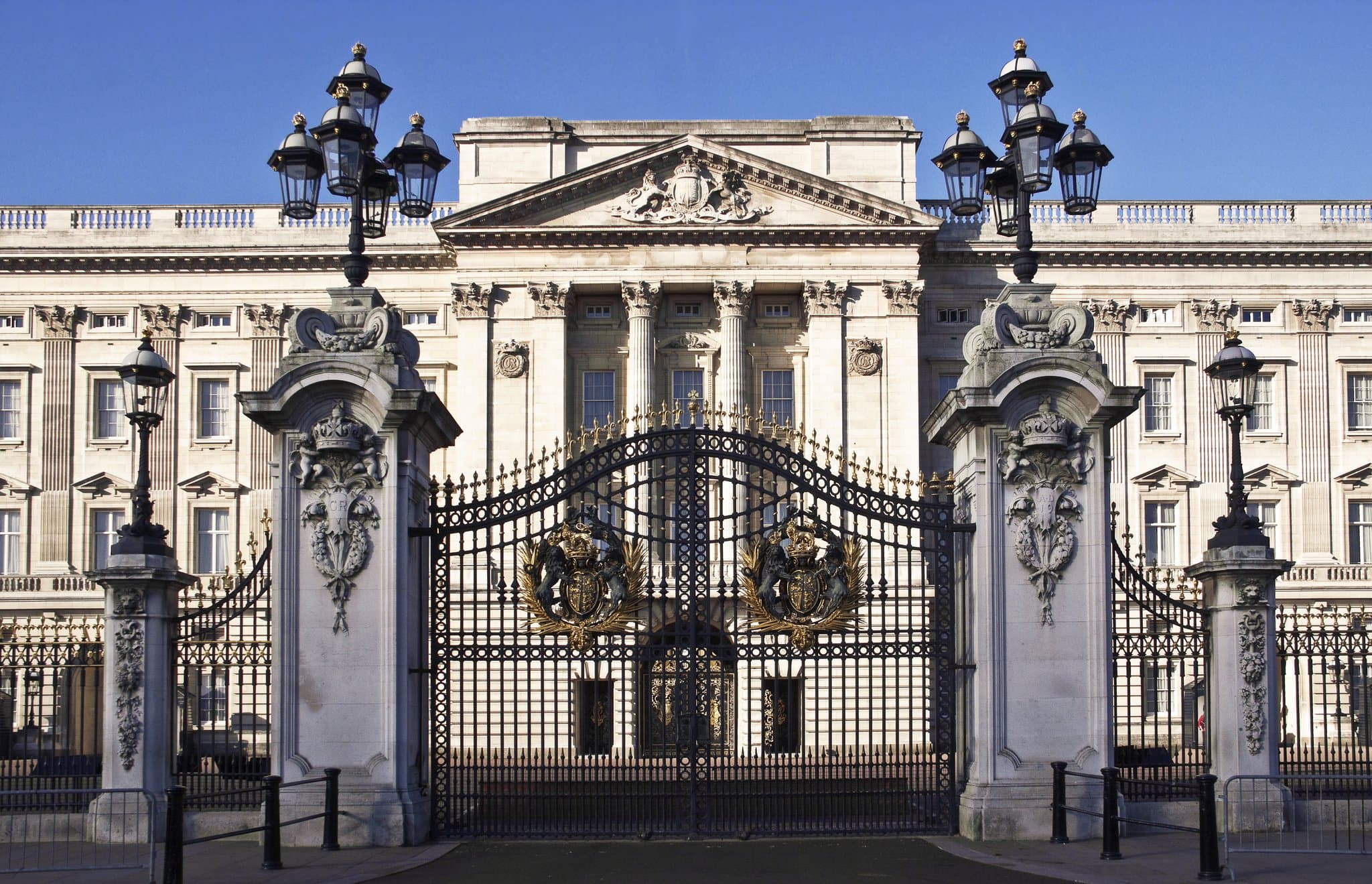
Buckingham Palace
 Castles
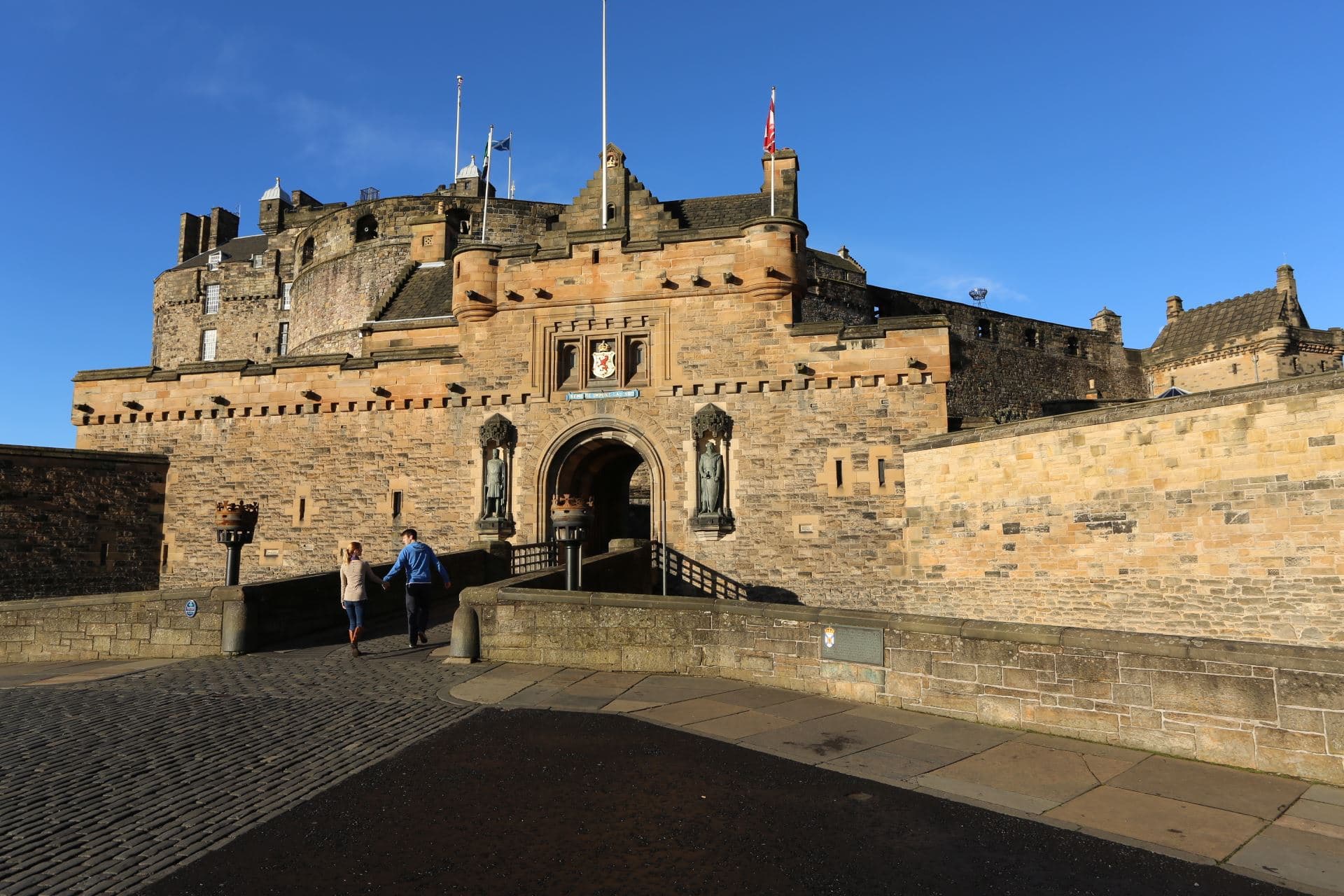
Edinburgh Castle
 Castles
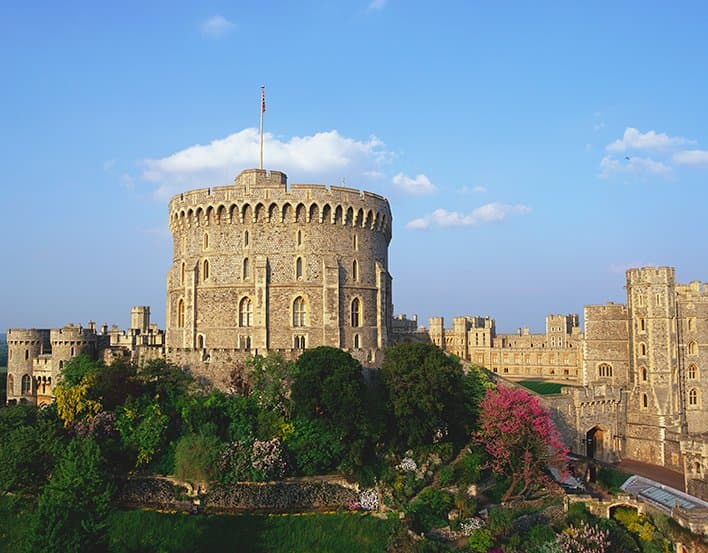
Windsor Castle
 Castles
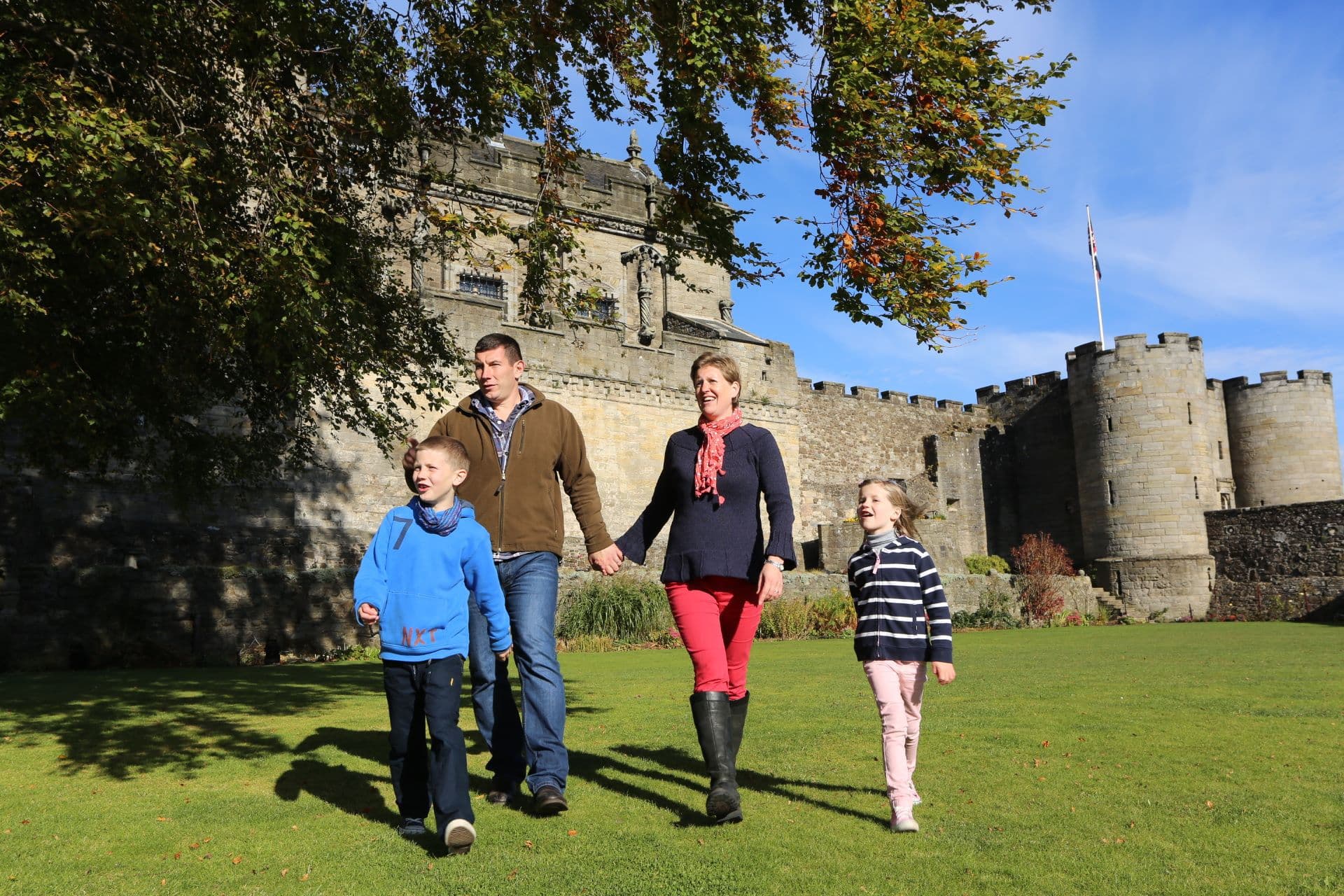
Stirling Castle
 Castles
Warwick Castle
 Sightseeing
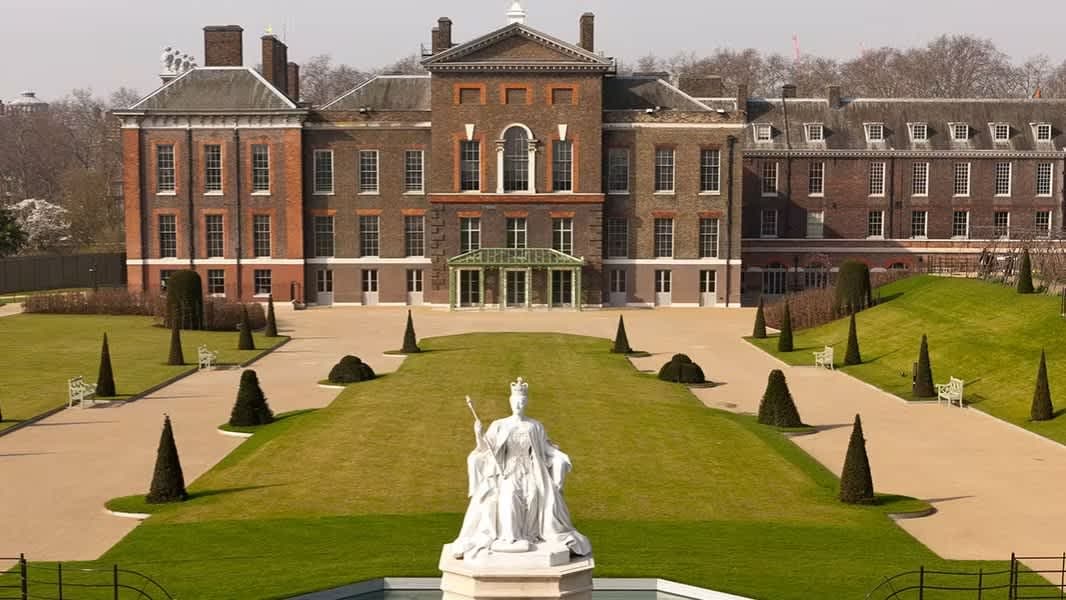
Kensington Palace
 Castles
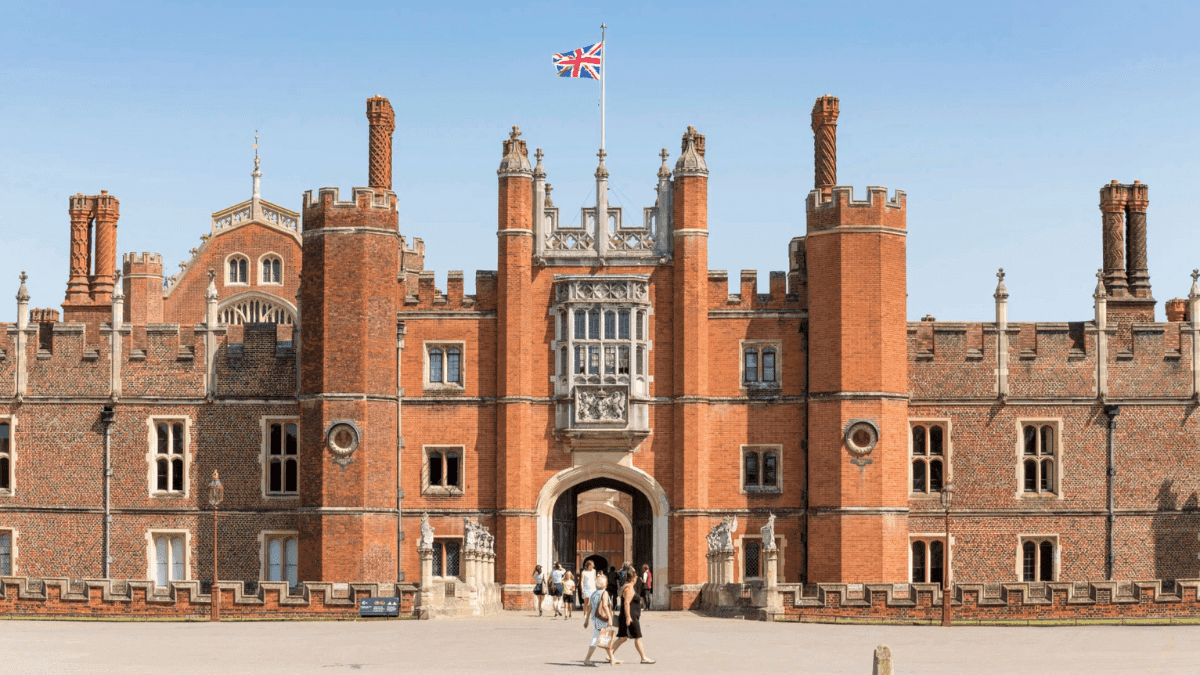
Hampton Court Palace
 Castles
Palace of Holyroodhouse
 Castles
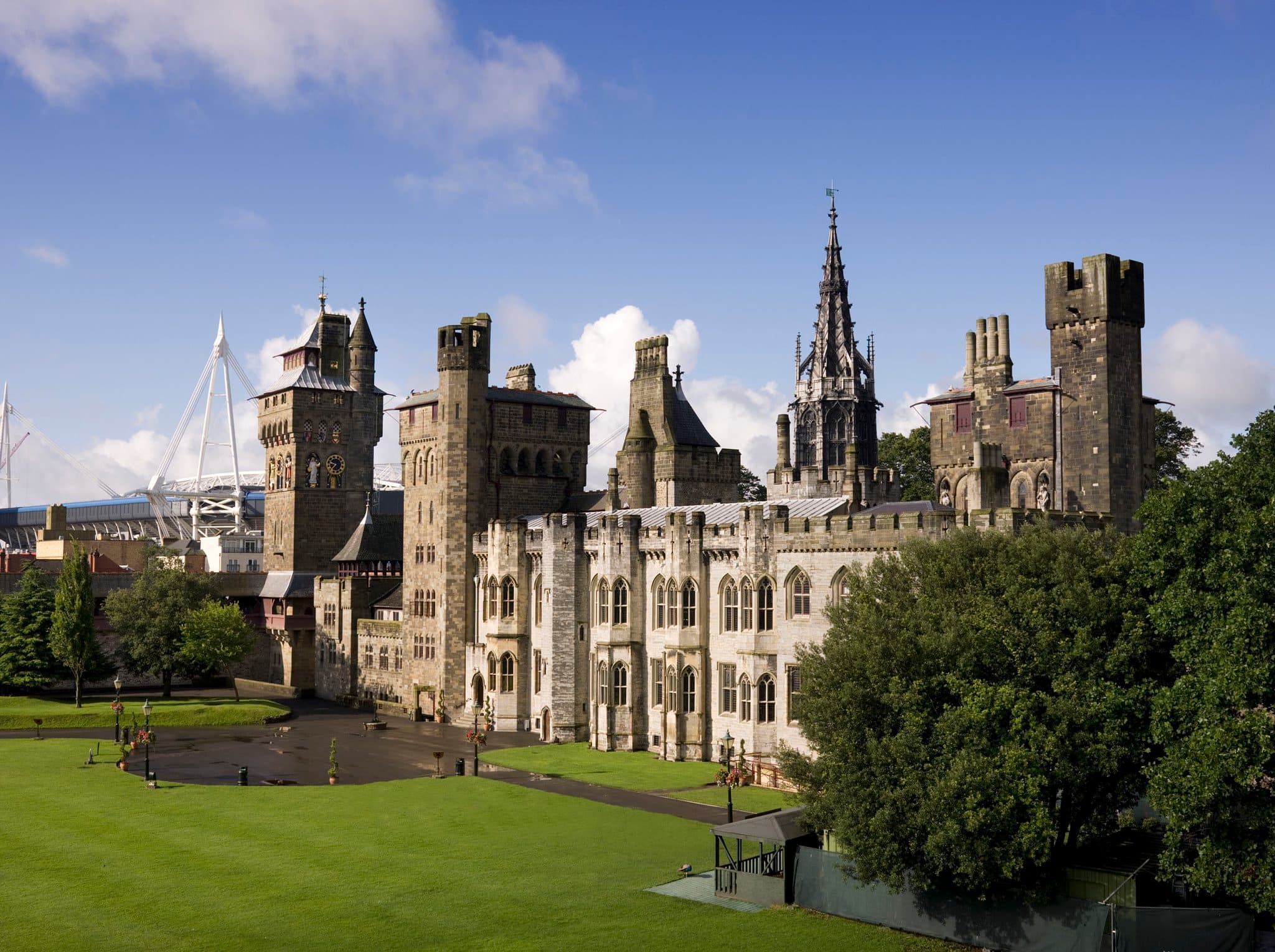
Cardiff Castle
 Castles
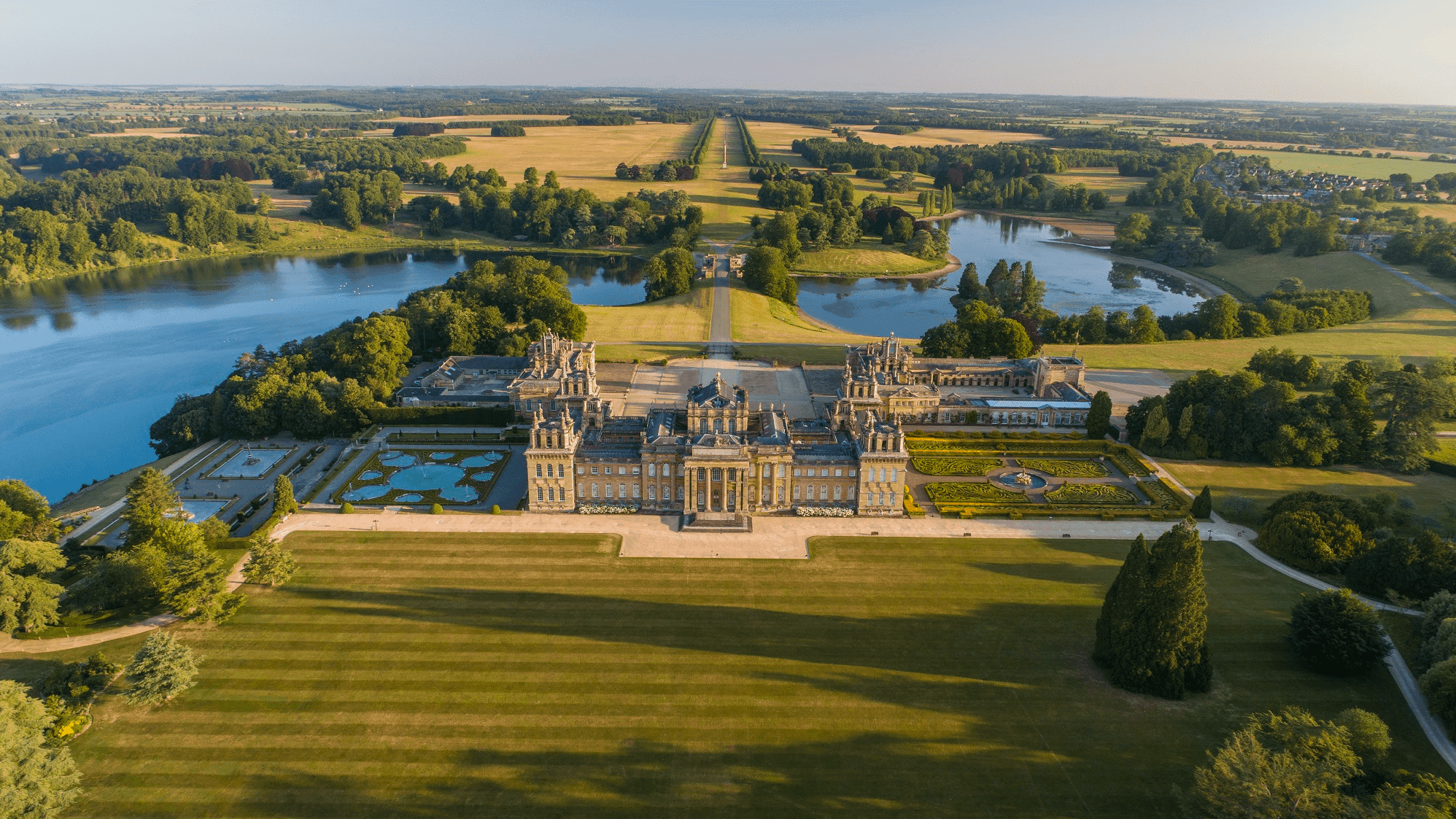
Blenheim Palace
 Castles
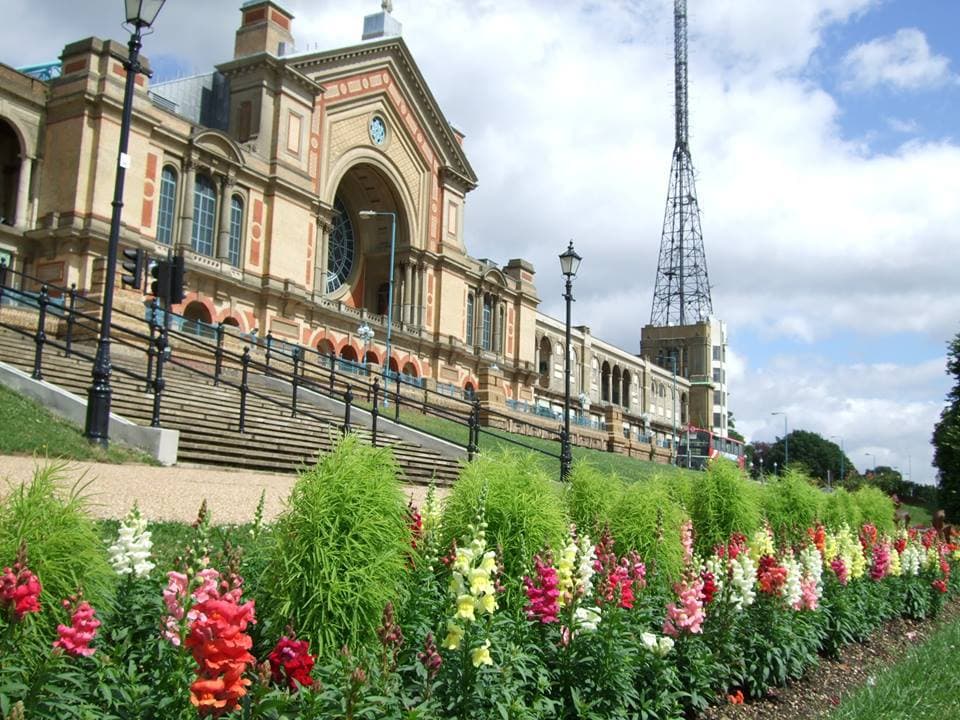
Alexandra Palace
 Castles
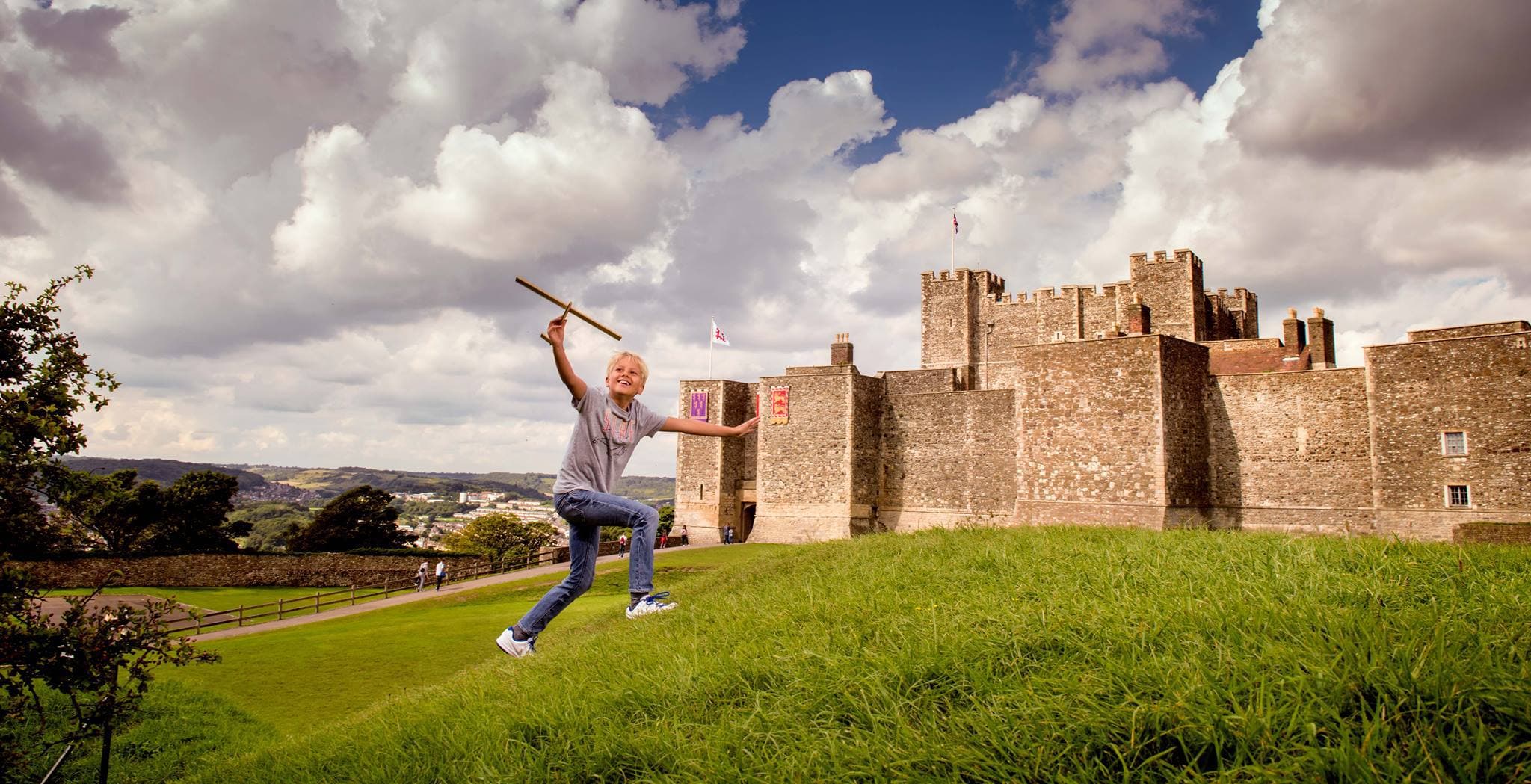
Dover Castle
Visiting castles works best when you slow down and let children explore at their own pace. A castle tour conducted at adult speed frustrates both children and parents; time spent exploring towers, peering through windows, and finding secret corners creates far better memories. Many castles have good facilities, cafes, and gift shops that mean you can stay longer than you initially planned. If you're interested in history, that's a bonus — but for most children, the appeal is simpler: it's a big old building with interesting shapes, and you get to clamber all over it.
Castles in the UK: FAQs
Are castles safe for children to explore unsupervised?
Safety depends on the specific castle and your children's age and sensibility. Well-maintained, regularly-visited castles generally have good safety provisions: stairs have handrails, dangerous drops are fenced, and staff monitor for hazards. However, some castles are partly ruined with uneven floors, steep stairs, and limited barriers. You need to know your own children's risk awareness and climbing ability before giving them freedom. Younger children (under 8 or 9) typically need close supervision — not just for safety but because they enjoy sharing the discovery with an adult. Older children often love having more independence, exploring rooms, and telling you what they've found. Before visiting with children of any age, ask the staff about safety features and any areas that are off-limits. Most castle staff are used to family groups and can advise appropriately.
What will children actually see and do inside a castle?
This varies massively depending on the castle. Some are furnished historic houses where you follow a guided route through decorated rooms, kitchens, and living quarters. Others are empty ruins where the main activity is climbing stairs, looking out from towers, and exploring the spaces. A few have interactive exhibits, dungeons, or hands-on activities for children. Most castles have combination: some furnished rooms, some climb-able areas, possibly a small museum or exhibition. The best approach is checking individual castle websites to see what's actually inside before visiting. Some castles focus on military history and fortifications; others emphasise domestic life or famous occupants. Matching the castle to your children's interests (dragons and adventures, or understanding how medieval families lived) makes the visit more engaging.
How long should we spend at a castle?
This depends on the castle's size and how interactive it is. A small ruined castle might be thoroughly explored in 45 minutes; a major fortress or castle with extensive grounds could easily fill a full day. Most families comfortably spend 90 minutes to 3 hours at a castle, which allows time to explore the main buildings, maybe have a snack, and look at grounds or gardens. Castles with separate areas (castle plus separate gardens, or multiple buildings within the grounds) take longer. Rather than rushing through rooms, plan enough time to let children move at their own pace, climb staircases multiple times (because they'll want to), and find quiet corners for imaginary play. Many castles have benches, cafes, or picnic areas where you can rest and take breaks. A more relaxed pace often creates better memories than trying to see everything quickly.
Are castles expensive, and are there family discounts?
Many UK castles do charge entry fees, particularly those that are maintained as heritage sites or museums. However, a small number offer free admission (particularly castles in state care that operate as open ruins). Most castles offer family package prices that are cheaper than buying individual tickets for adults and children. Annual membership schemes exist for major castle collections (such as those managed by Cadw in Wales or Historic Environment Scotland), which make regular visits much more affordable if you have castles nearby. Some castles have free entry to children under a certain age (often under 5). Before booking, check what the entry fee is, whether there are family discounts or free hours, and whether parking is included or charged separately. Visiting off-peak times (weekday mornings or outside school holidays) sometimes means quieter experiences even if not discount pricing.