Category × County
10 Best Castles In Kent
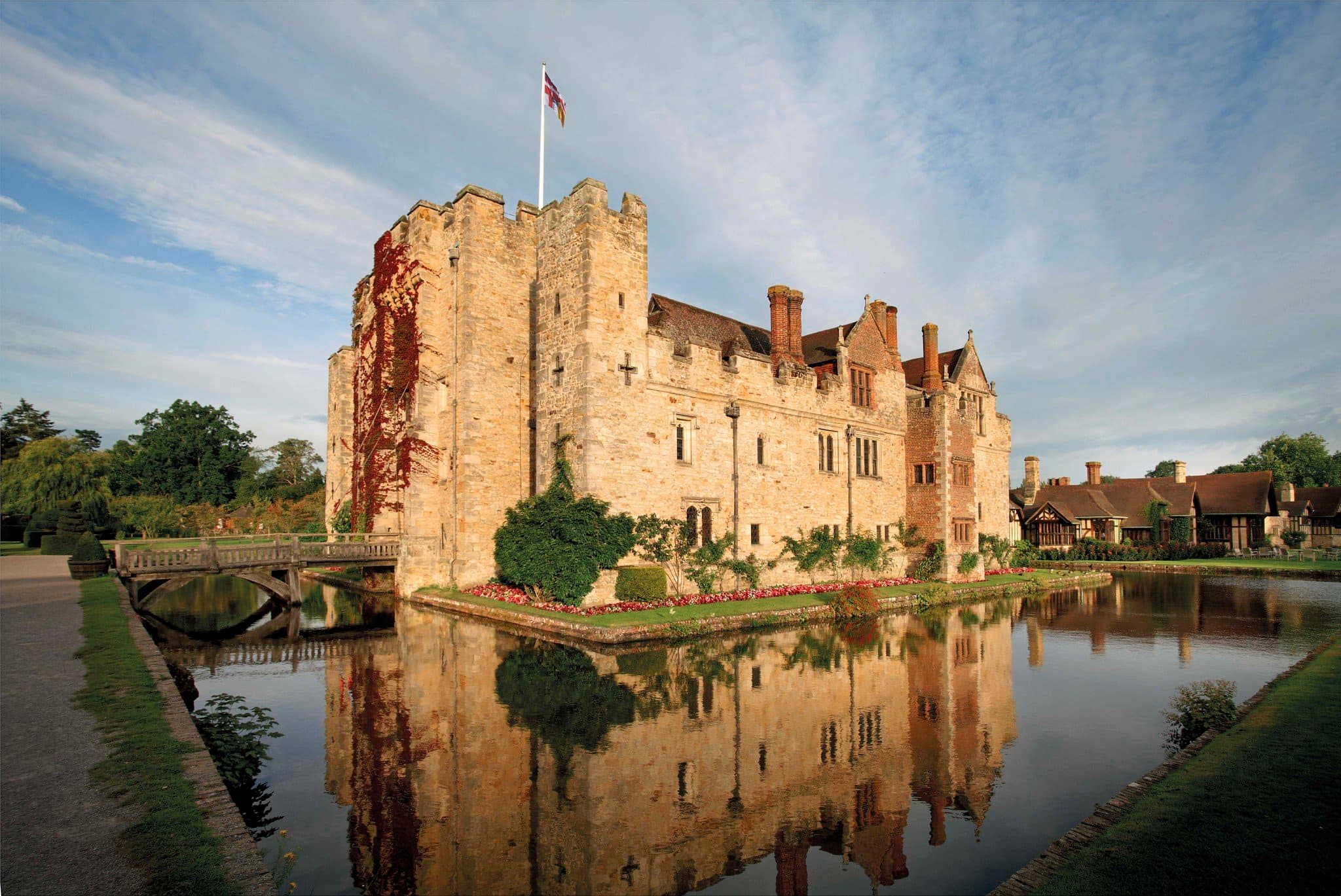
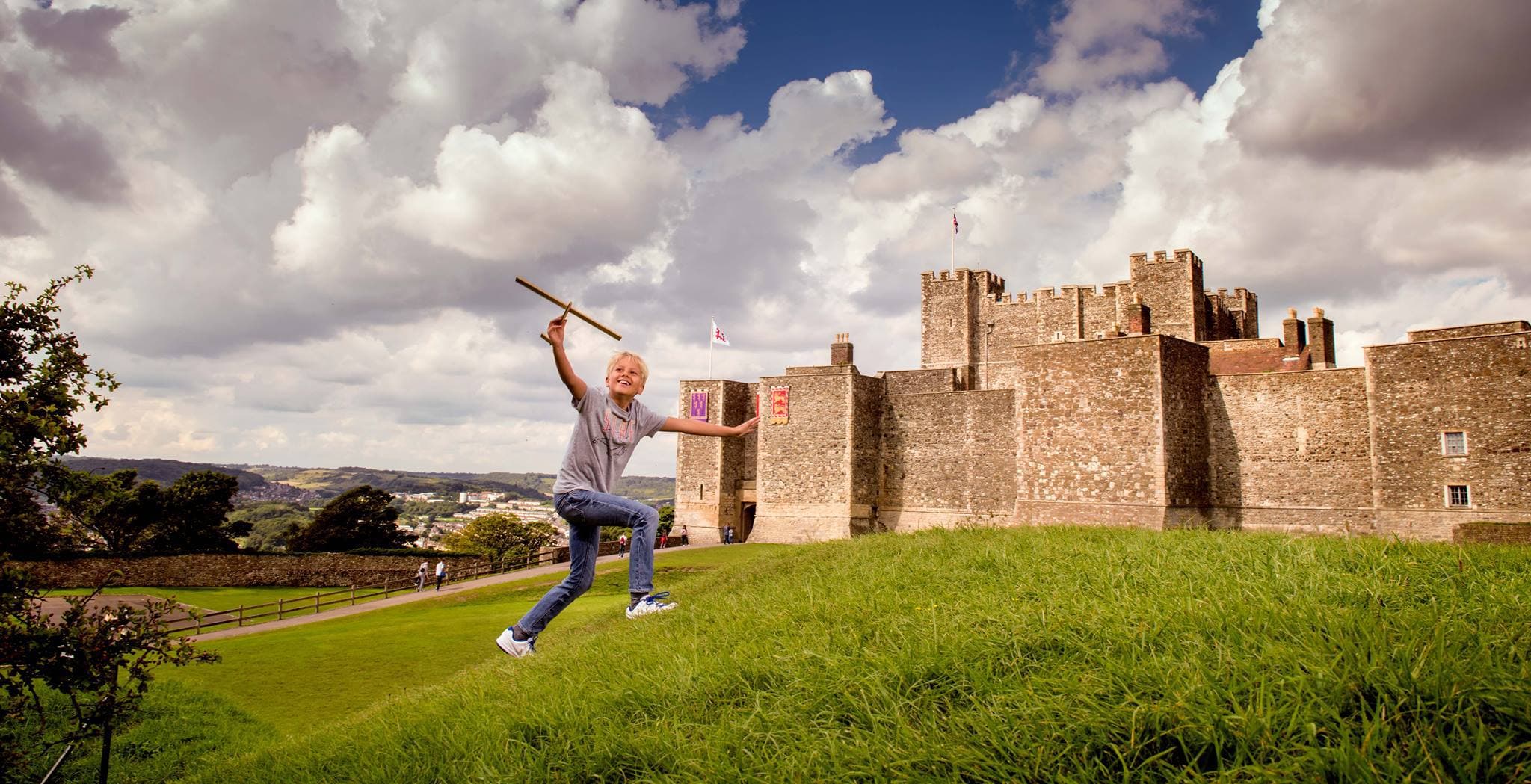
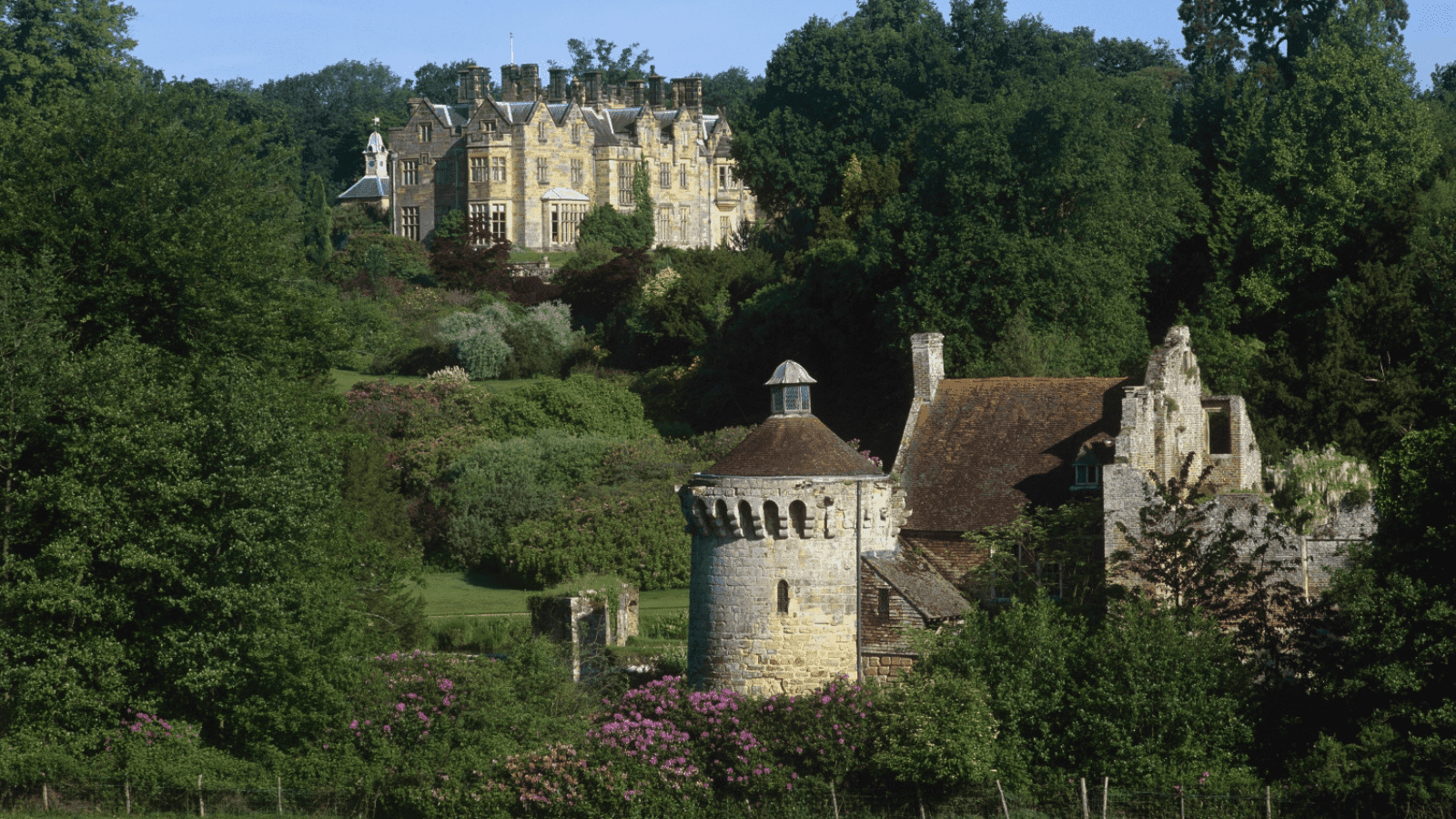
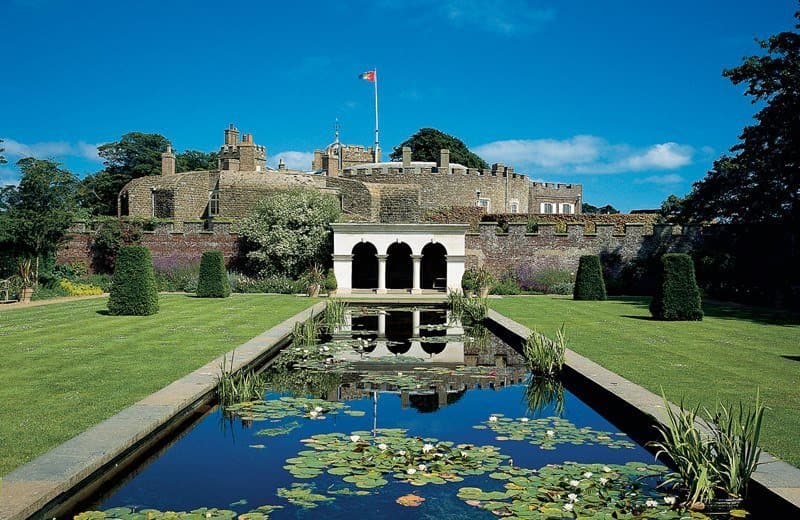
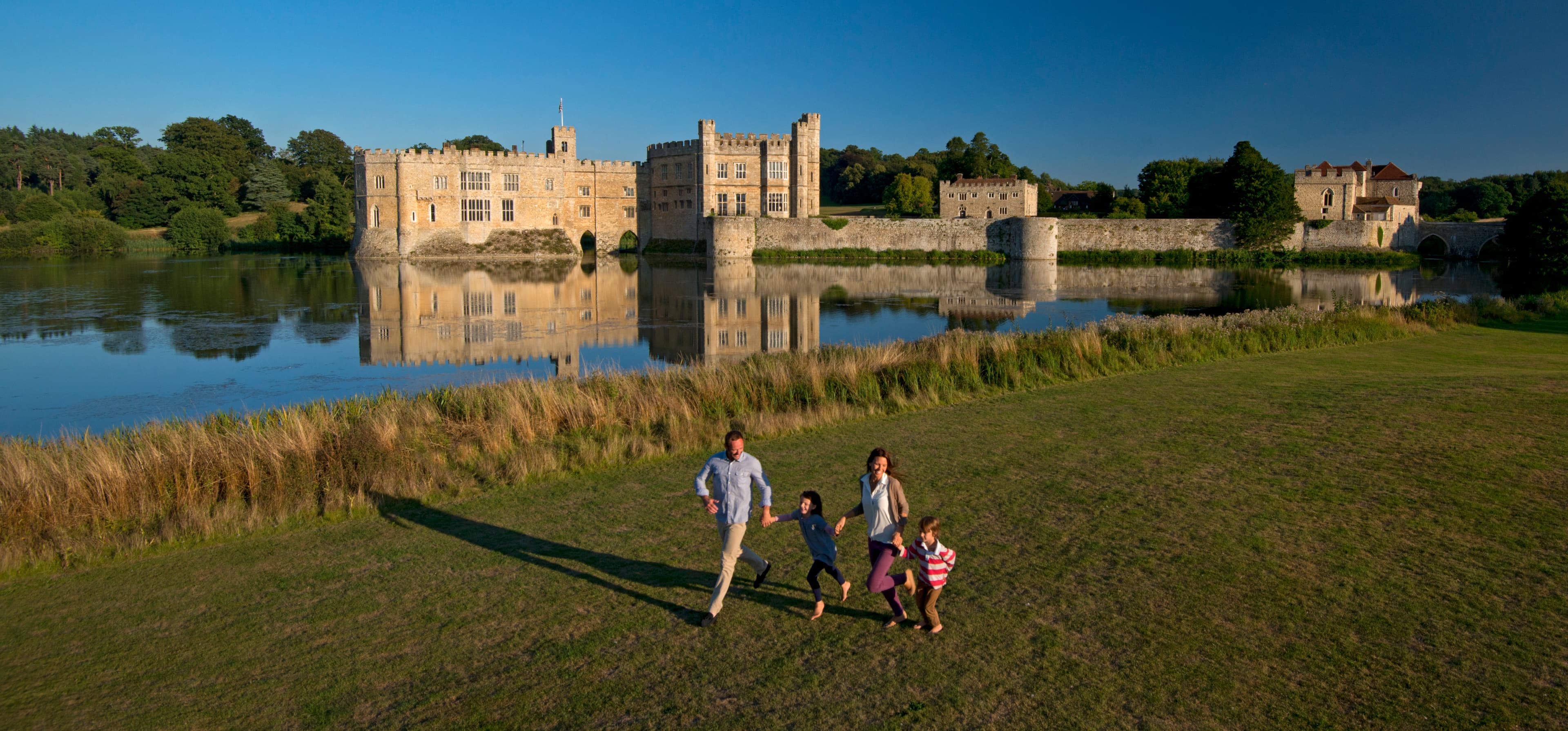
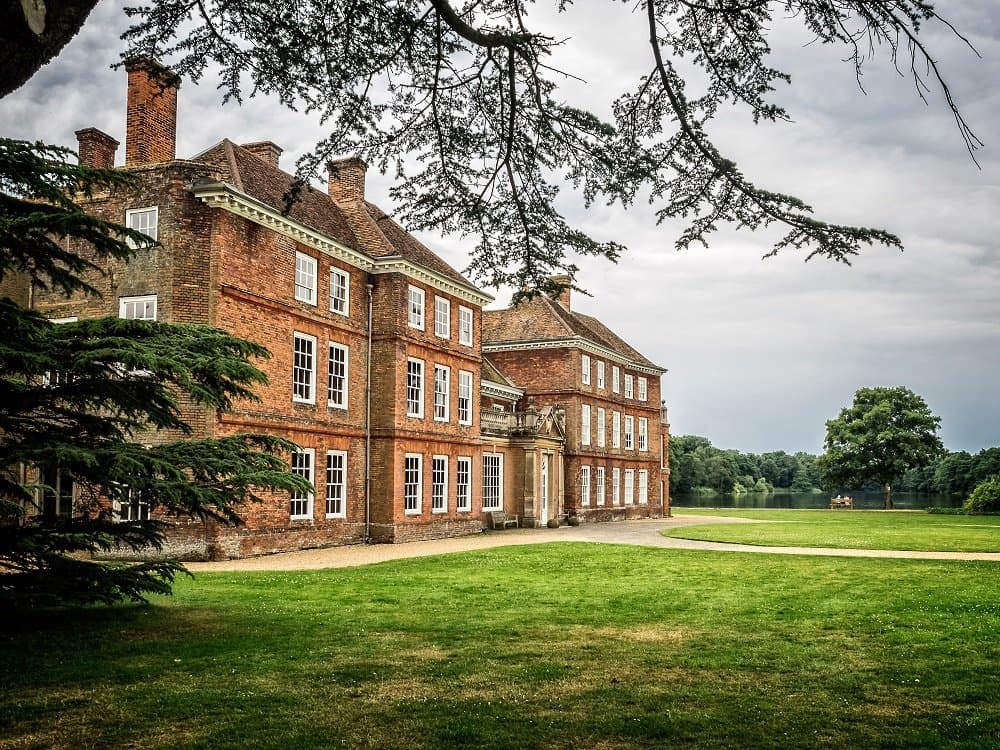
Kent's castles split cleanly by where they stand, and the split reflects what each was built to do. On the coast, where the Channel narrows and the chalk rises into cliffs, Dover Castle and Walmer Castle and Gardens face out to sea — hard, military and shaped by the ground beneath them. Inland, in the clay valleys of the Weald, Hever Castle & Gardens, Leeds Castle, Scotney Castle and Lullingstone Castle & World Garden used water instead of height: moats, lakes and low, wet ground. A moated house and a cliff-top fortress make for entirely different days with children.
Top castles in Kent
Showing 1–10 of 10
 Castles
Hever Castle & Gardens
 Castles
Dover Castle
 Sightseeing
Scotney Castle
 Castles
Walmer Castle and Gardens
 Adventure
The Wartime Tunnels at Dover Castle
 Castles
Leeds Castle
 Parks and Playgrounds
National Trust - Knole Park
 Castles
Lullingstone Castle & World Garden
 Castles
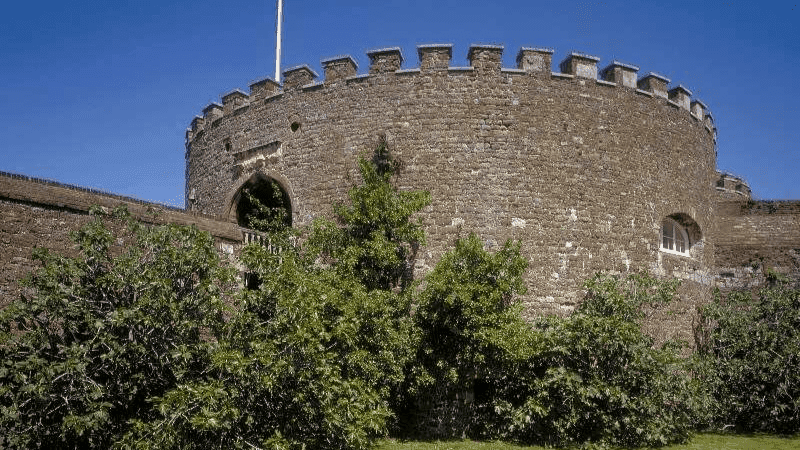
Deal Castle
 Castles
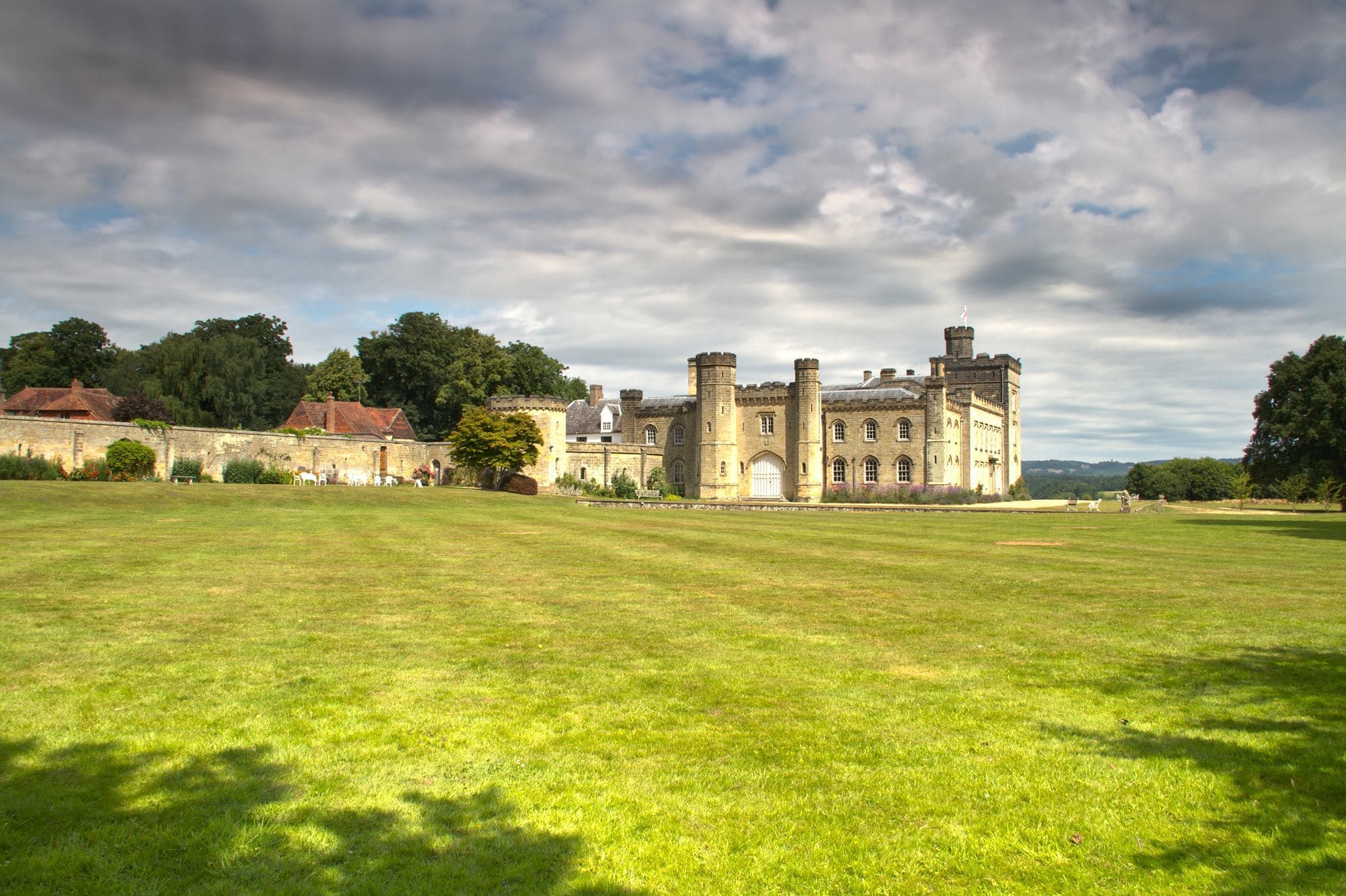
Chiddingstone Castle
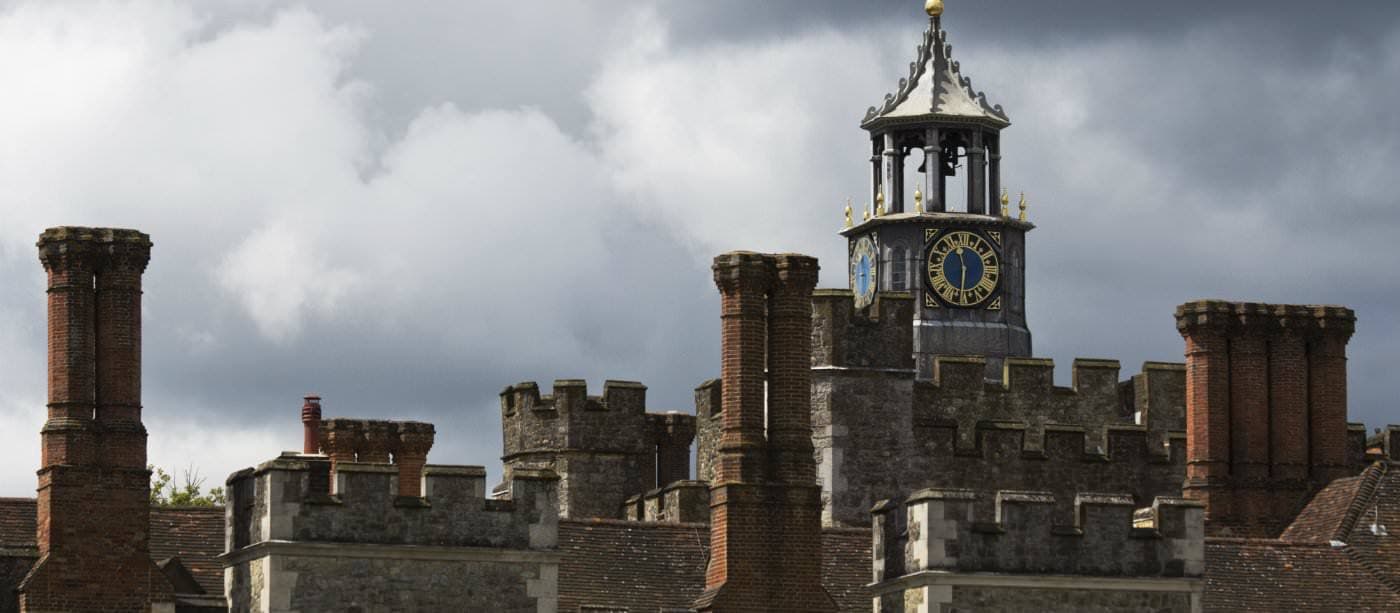
Ten listings, but not ten places. The Wartime Tunnels at Dover Castle is part of Dover Castle rather than a separate site, and National Trust - Knole Park is a deer park with a house rather than a castle at all, so call it eight or nine distinct castles depending on how strictly you count. The real question is coast or Weald: the coastal sites give you views, tunnels and wind, while the inland ones give you gardens, water and a shorter walk in from the car.
Castles in Kent: FAQs
Which is best for a child who wants a proper castle?
Dover Castle is the one that looks like the picture in a child's head — a keep, walls, high ground and a great deal to climb up and look out from. It also has more to it than a single building, which keeps older children going after the first hour. The trade is exposure: the site sits high above the sea with very little shelter, so the wind is a factor on almost any day of the year.
Do the moated castles work with small children?
Generally yes, and better than the coastal forts do. Ground in the Weald is low and level, the walk in from a car park is usually short, and gardens give you something to look at that does not require climbing. Hever Castle & Gardens and Leeds Castle are that shape of visit. The obvious caution is the water itself — a moat has an edge and no fence in places, so a child who runs needs holding rather than trusting.
Will the tunnels frighten a young child?
They might, and it is worth thinking about beforehand rather than at the entrance. The Wartime Tunnels at Dover Castle is flagged indoor and not outdoor, which tells you the visit happens underground: enclosed spaces, low light and no quick way back to daylight once you have started. Show a child the words secret passage and most will be sold on it; one who dislikes dark or tight spaces will want out, and that is difficult to arrange mid-route.
Why does this county have so many castles in the first place?
Geography, twice over. Kent is the closest part of the country to the Continent, so the coast was fortified repeatedly against whatever was coming across the water, which explains the hard military sites at the shore. Behind that, the Weald grew wealthy and its landowners built fortified houses on wet, low ground where a moat was the natural defence and later became the ornament. The two traditions sit in one county and look nothing alike.