Category
325 Best Beaches In The UK
A beach day is woven into British childhood—paddling in the shallows, hunting for shells, building castles that the tide will inevitably demolish. The UK has 325 beaches, and the vast majority are free and accessible. This isn't about having a perfect Mediterranean tan; it's about rock pools, seaweed forests, pebbles to collect, and space to run that feels entirely different from anywhere else. Five beaches listed on WithTheKids offer free entry, and nearly all are outdoors (obviously), which means they work with every season. Winter beaches are quieter and moodier; summer beaches are packed with families. Spring brings warmer water and clearer skies. Whatever the season, a beach offers your kids freedom to explore, play and get properly messy in a way most other places don't quite allow.
Showing 1–12 of 325
 Beaches
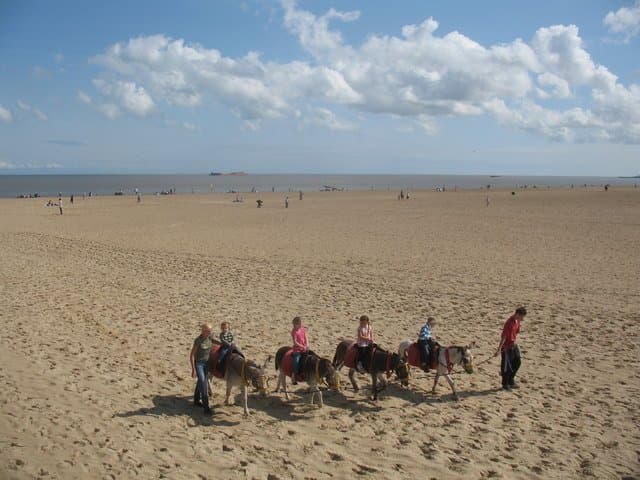
Great Yarmouth Pier Beach
 Beaches
Bournemouth Pier
 Beaches
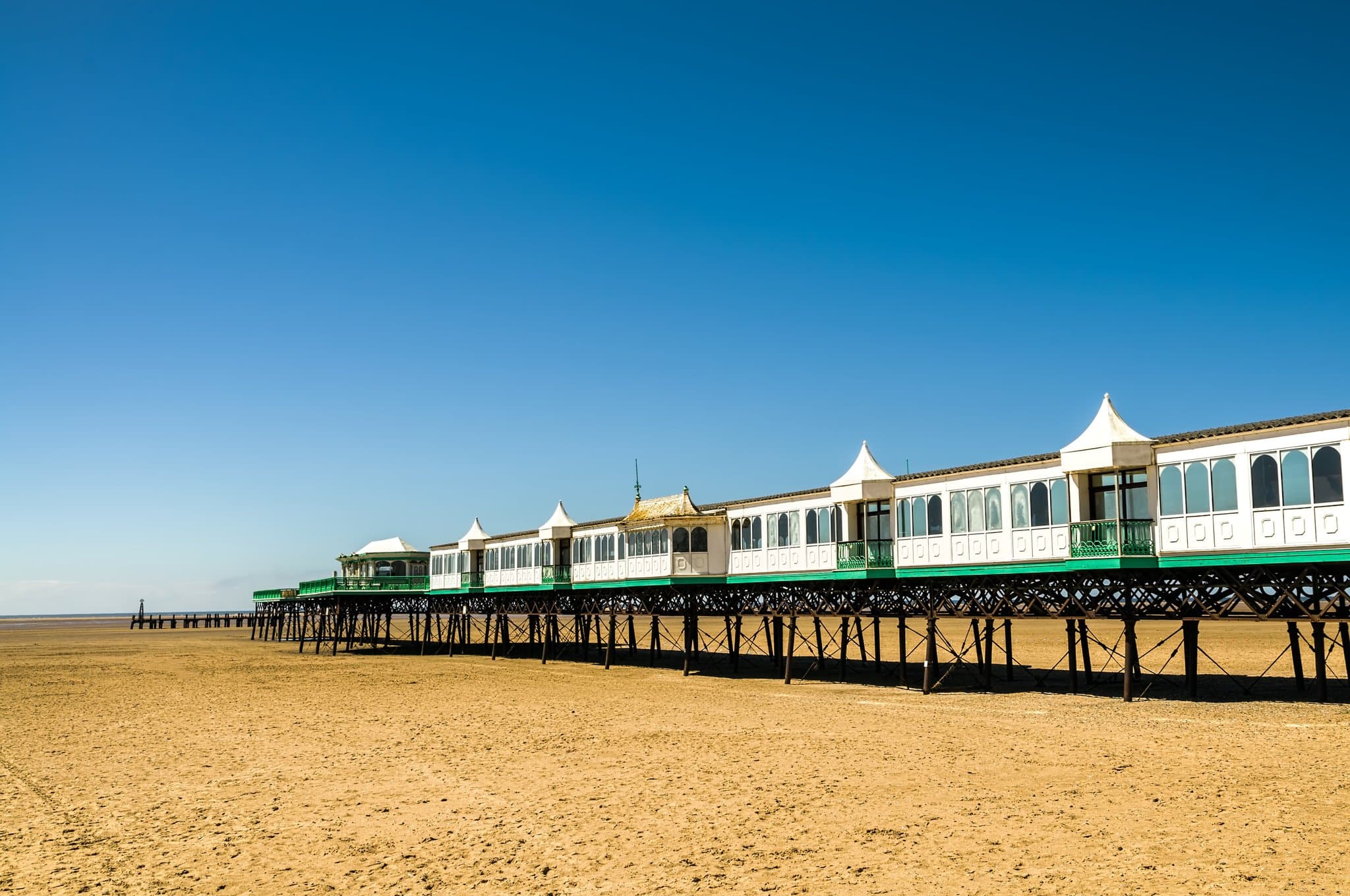
Lytham St Annes Beach
 Sightseeing
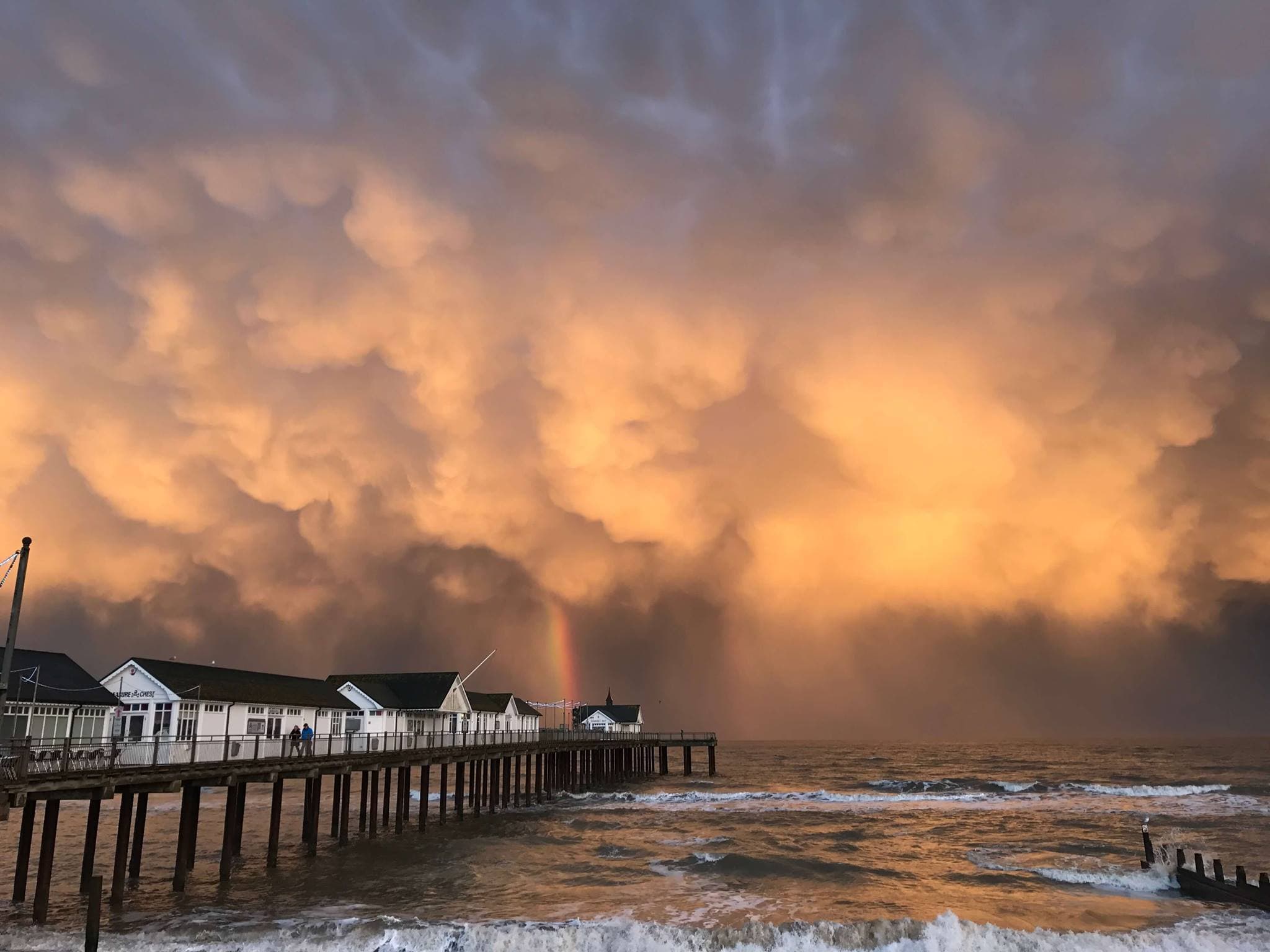
Southwold Pier
 Beaches
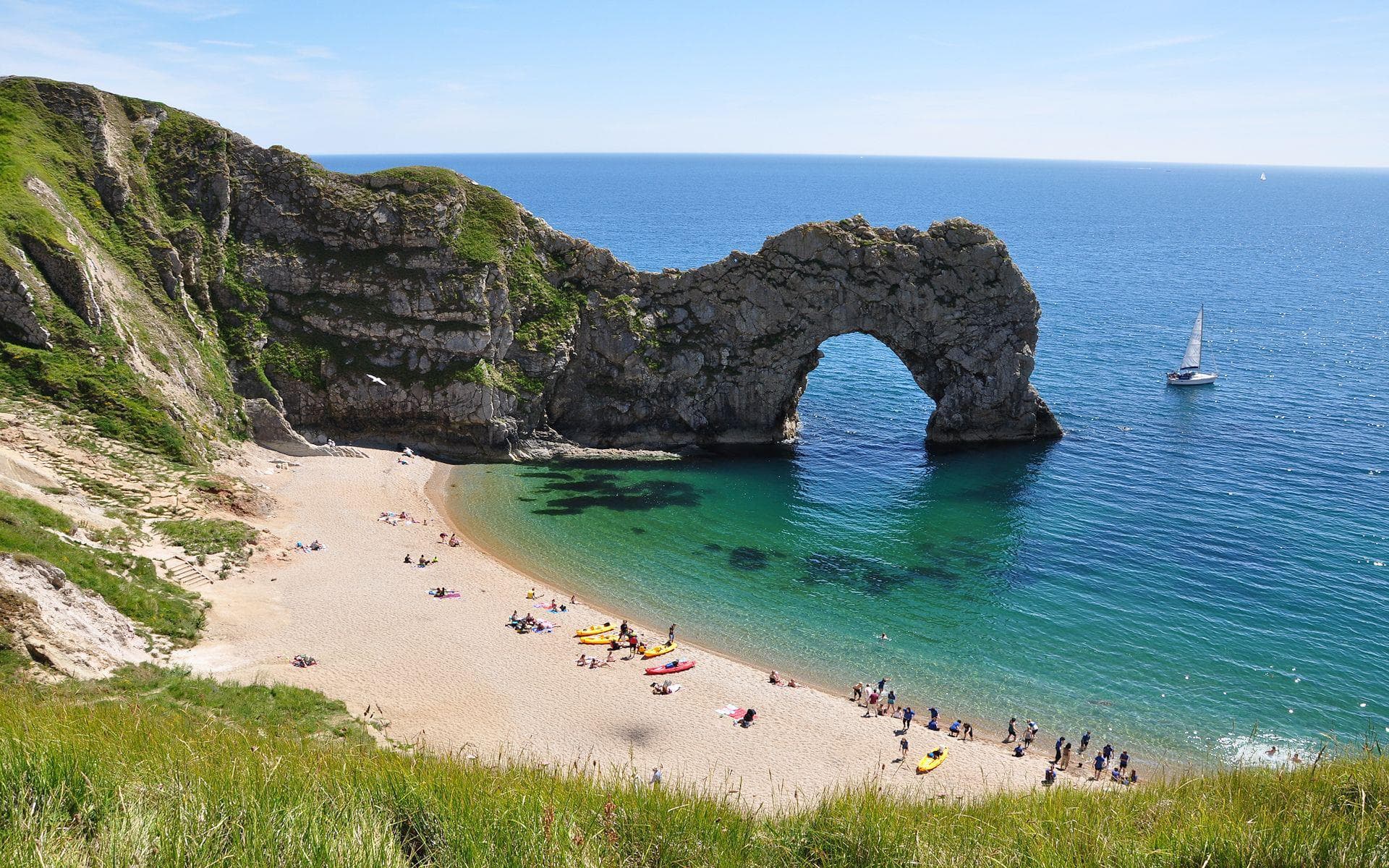
Durdle Door Beach
 Beaches
West Wittering Beach
 Beaches
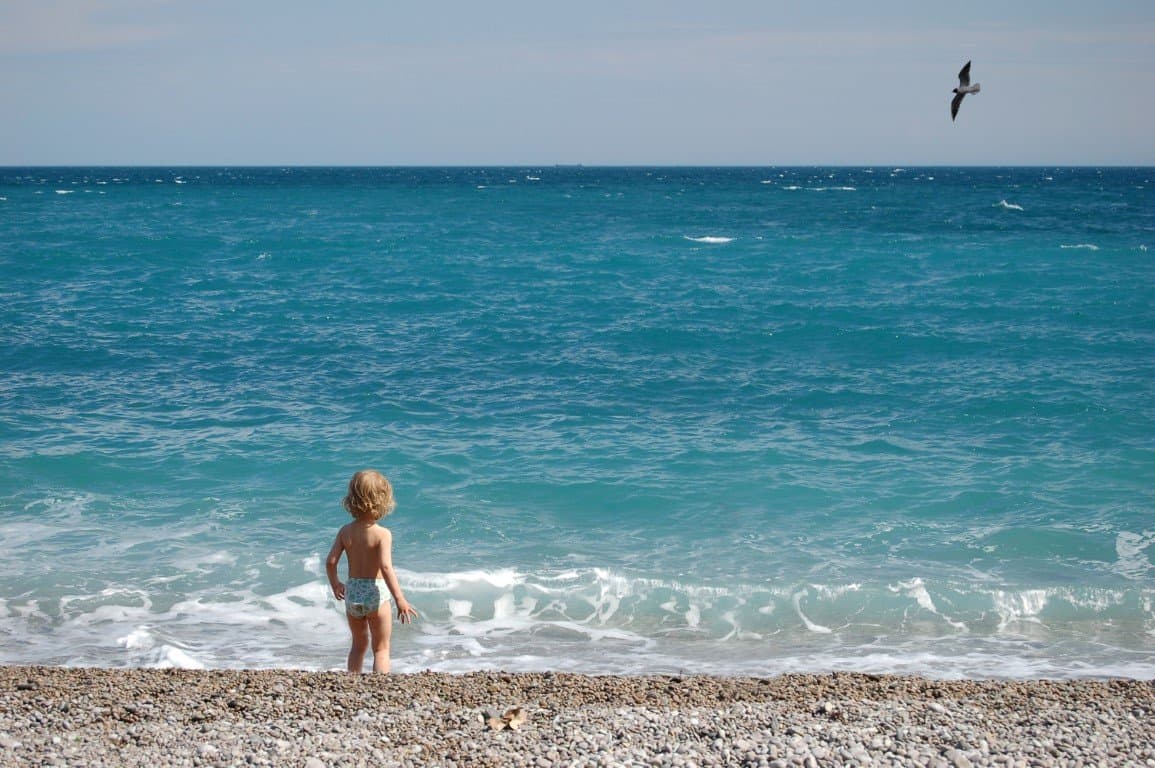
Lulworth Cove
 Beaches
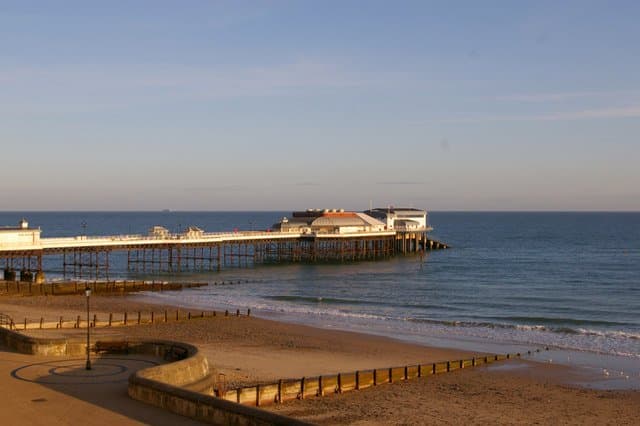
Cromer Beach
 Beaches
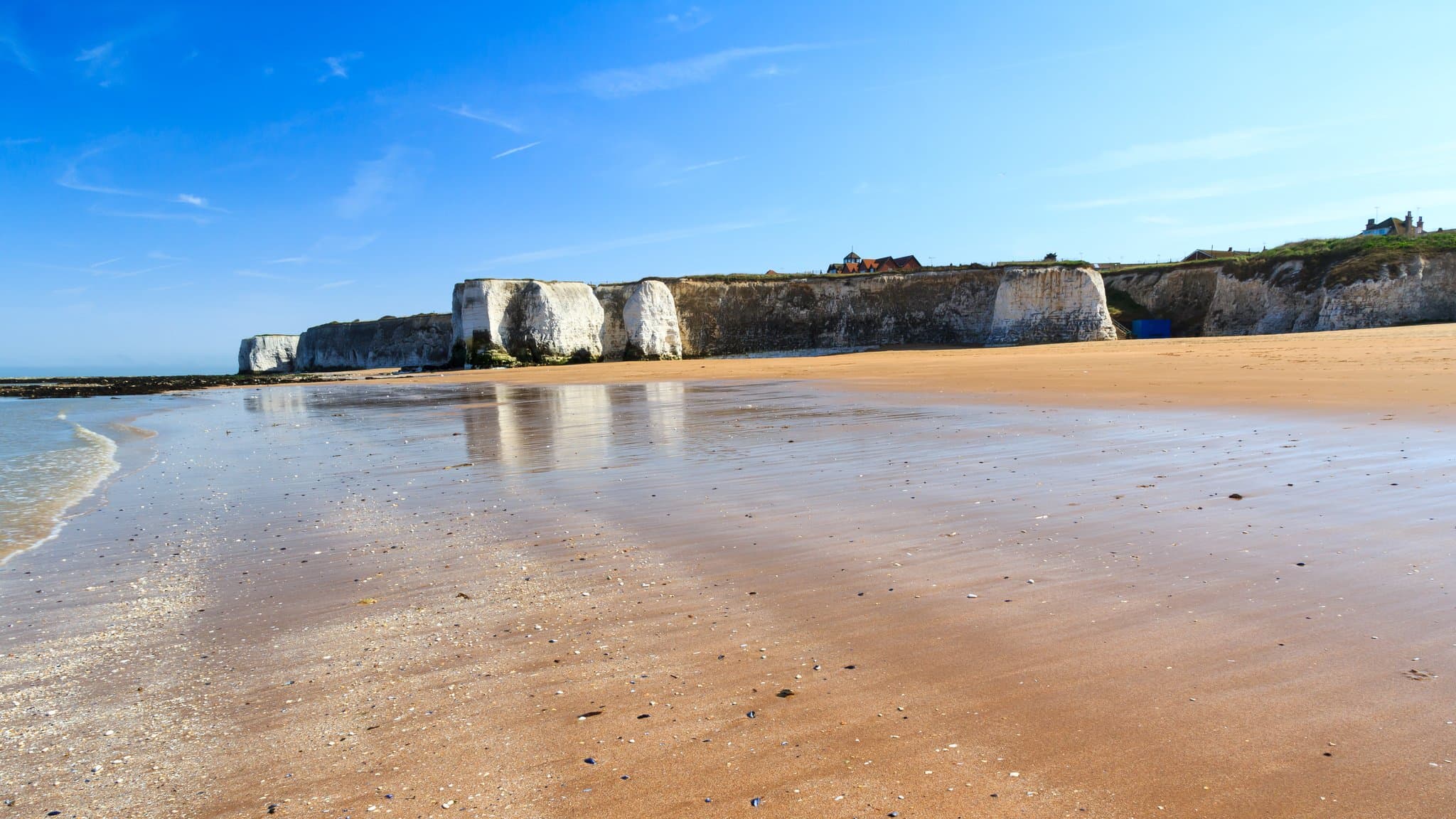
Botany Bay
 Beaches
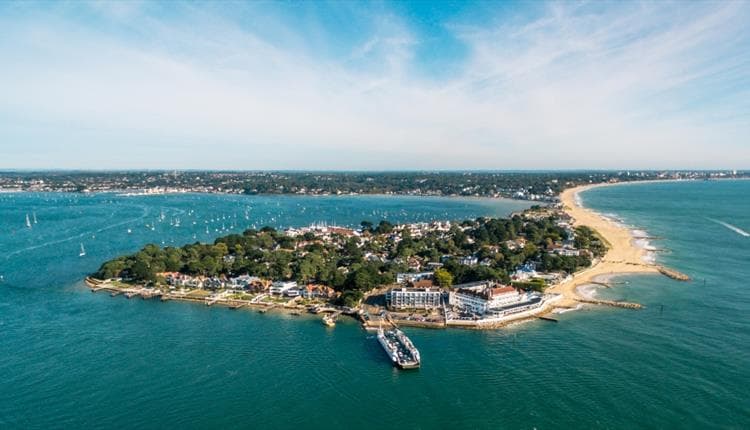
Sandbanks Beach
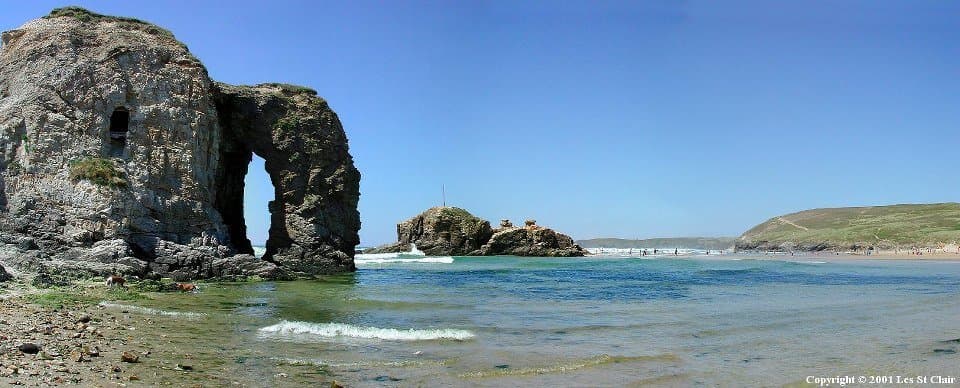 Beaches
Perranporth Beach
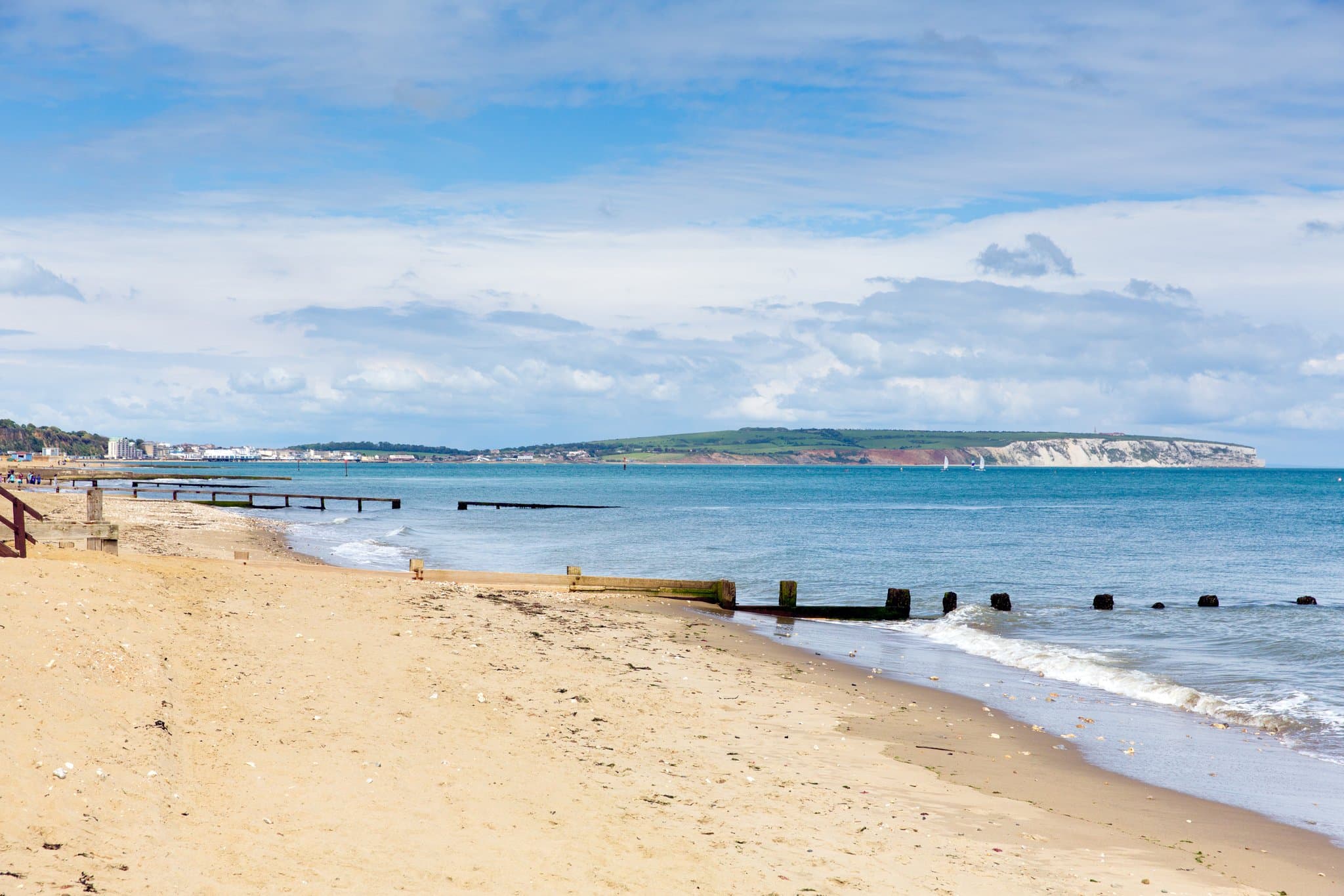 Beaches
Shanklin Beach
Beaches remind children that nature doesn't need to be organised or timetabled. The sea will be there regardless of what time you arrive, the tide will do what it does, and that fundamental permission to just play—to dig, splash, run and discover—is irreplaceable.
Beaches in the UK: FAQs
Are all UK beaches safe for swimming?
Most beaches are swimmable, but conditions vary. Some have lifeguards in summer; others don't. Before you swim, check the local water quality reports and tide times—the UK's tides move fast and can catch swimmers out. If you're not confident in the water, consider visiting a beach with lifeguards during peak season, or use the beach for paddling rather than swimming. With younger children, paddling in shallow water is plenty of entertainment and keeps everyone safer. Always watch children closely around water, regardless of how calm it looks.
Do I need to pay to visit a UK beach?
The vast majority of UK beaches are completely free to visit and use—you just turn up and start enjoying yourself. Some beaches, particularly those with formal amenities like car parks, beach huts or designated play areas, might charge for parking. A handful of beaches charge entry fees, but this is unusual. With 325 beaches to choose from, if one charges you're usually able to walk to a free section nearby. Always check beforehand if you're concerned about costs.
What equipment do we need for a beach day?
The essentials are: towels, swimwear if you plan to paddle, sunscreen (reapply often—beaches are exposed), and water to drink. Beyond that, it depends on what your kids enjoy. Buckets and spades for digging, nets for rock-pooling, and a bag for collecting shells are classics that cost almost nothing. Some parents bring portable chairs or parasols for shade. A board for sandwiches is worthwhile—beach cafés tend to be pricey. Pack more snacks than you think you'll need; children run hot at the beach and get thirsty quickly.
What's the best time of day to visit a beach with children?
Morning is often ideal—the beach is quieter, the sun isn't at its strongest, and your children have energy. Afternoon visits work too, but sun protection becomes more critical. Avoid very hot afternoons if your children are small or struggle with heat. Tide times matter: low tide reveals rock pools and gives you more space to explore, while high tide brings the water in and changes what you can do. Check the tide forecast for your chosen beach and plan around it. Don't forget that sun protection is crucial—even on cloudy days—as sand reflects UV rays.