Category × County
6 Best Beaches In North Yorkshire
What decides your choice on this coast is not the sand but the way down to it. Filey Beach and Saltburn Beach both have a town sitting behind them and a level approach, which is what a family with a pushchair, a cool bag and a toddler in wellies actually needs. Runswick Bay drops steeply to a small sheltered bay. Hayburn Wyke Beach is reached through woodland and ends in rock rather than sand. Port Mulgrave Beach asks for a proper descent and gives you boulders and cliff at the bottom. Those last three are wonderful with an eight-year-old who wants to climb and hunt for fossils, and hard work with a two-year-old on your hip.
Top beaches in North Yorkshire
Showing 1–6 of 6
 Beaches
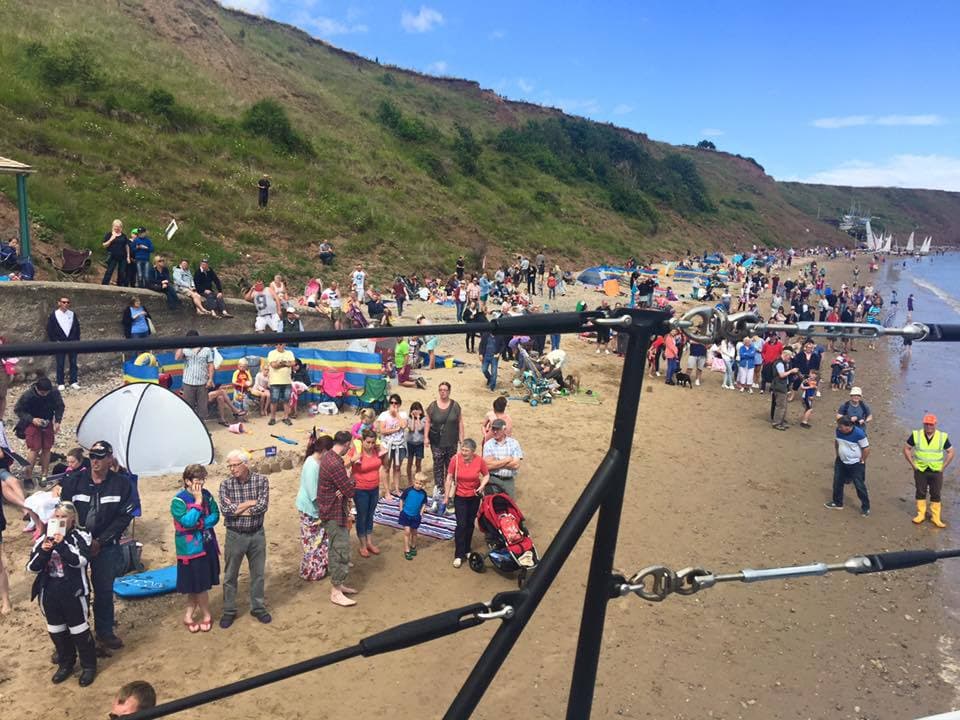
Filey Beach
 Beaches
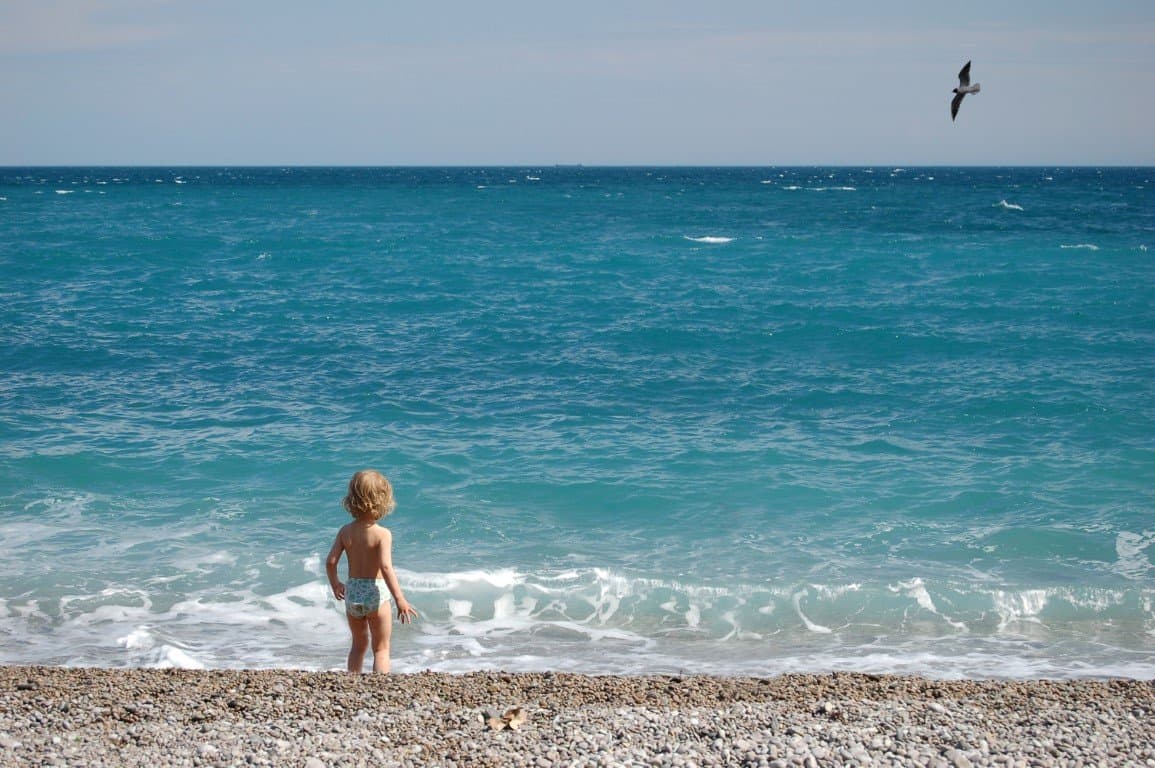
Hayburn Wyke Beach
 Beaches
Cayton Bay
 Beaches
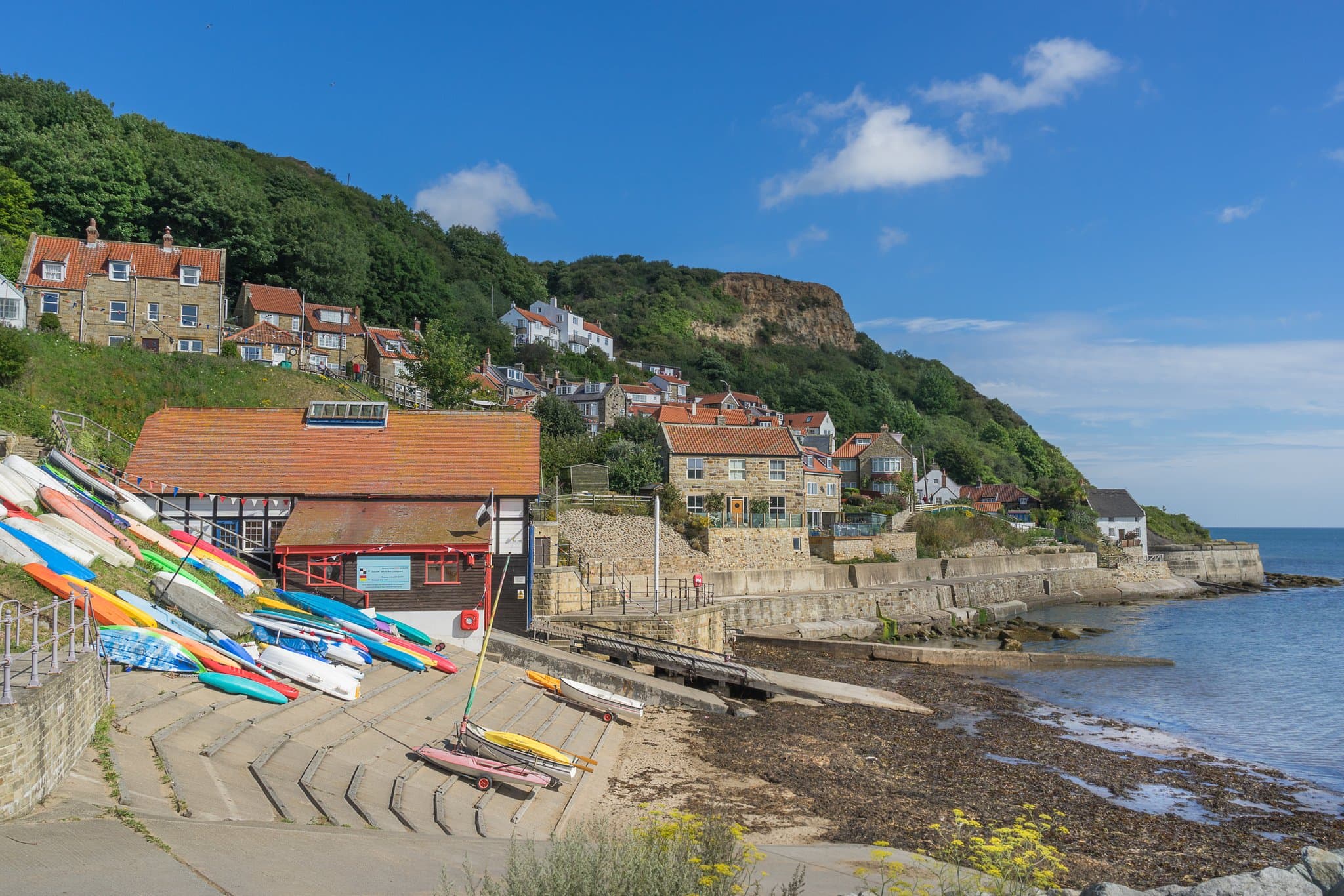
Runswick Bay
 Beaches
Saltburn Beach
BeachesPort Mulgrave Beach
Sort the six by the age of your youngest and the shortlist writes itself. Under four, stay with the two that have a promenade behind them and facilities within reach, because the day will be decided by loos and a place to warm up. From about seven the rocky bays become the better half of this coast, since scrambling is the point and there is more to find in a rock pool than on a wide flat beach. Check the tide for any of them, and check it twice for the small ones.
Beaches in North Yorkshire: FAQs
Which is the easiest beach here with a baby or toddler?
Filey Beach is the most straightforward, being a long flat stretch with a town at its back, so you are never far from a toilet, a pushchair-friendly surface or somewhere to buy the thing you forgot. Saltburn Beach works on the same principle. With children under four these practicalities decide whether the day is enjoyable far more than the scenery does, and a beach that requires a steep walk down means the same steep walk back up carrying a tired child and everything you brought.
At what age do the rocky bays become worth it?
Around seven, and they are at their best from about eight to twelve. Runswick Bay, Hayburn Wyke Beach and Port Mulgrave Beach reward a child who can be trusted on uneven ground, will look in a pool for twenty minutes and does not need to be carried. That same child would find a wide sandy beach a bit empty by comparison. Below that age the risk is not danger so much as misery — slow going, wet feet and a parent unable to take their eyes off anyone.
Is a teenager going to come to any of these?
More willingly than to most family outings, because a beach makes very few demands. The bigger beaches give them room to be a hundred yards away from you, which at fourteen is the whole point, and the smaller bays suit a teenager who has taken up photography or wild swimming. What does not work is presenting the day as a family beach trip with a bucket and spade. Present it as a walk that happens to end at the sea and the same trip lands much better.
What should we check before setting off?
The tide, the access and where you are going to park, in that order. Several of these are small bays that shrink considerably at high water, and a beach that has disappeared is a wasted journey with restless children in the back seat. The steep-access beaches are also the ones where the walk back matters, so be honest about how much everybody has left in the tank by mid-afternoon. All six are recorded as outdoor with no indoor space, which is obvious for a beach but does mean you need a wet-weather alternative in your pocket.