Category × County
16 Best Museums In Cambridgeshire
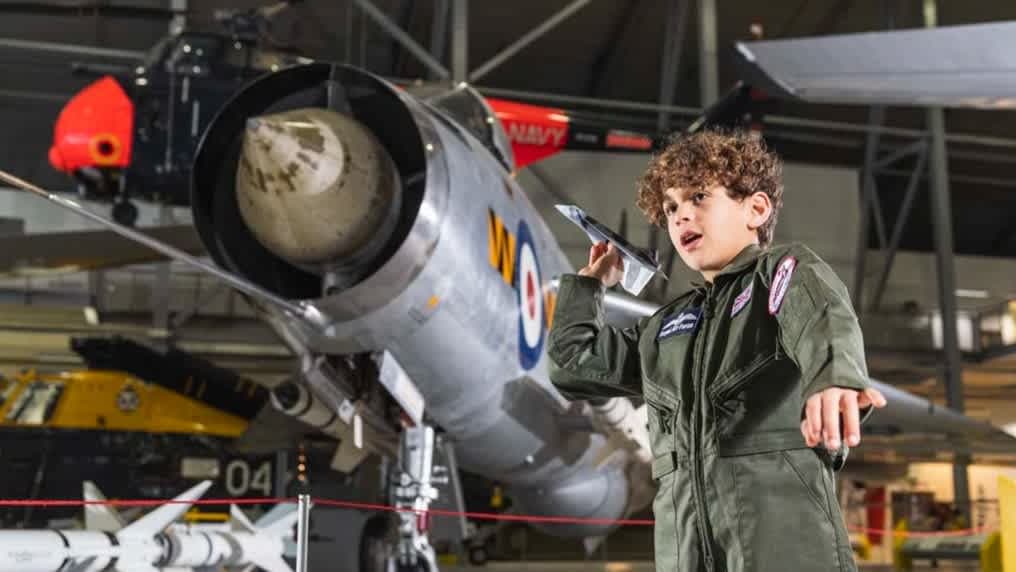
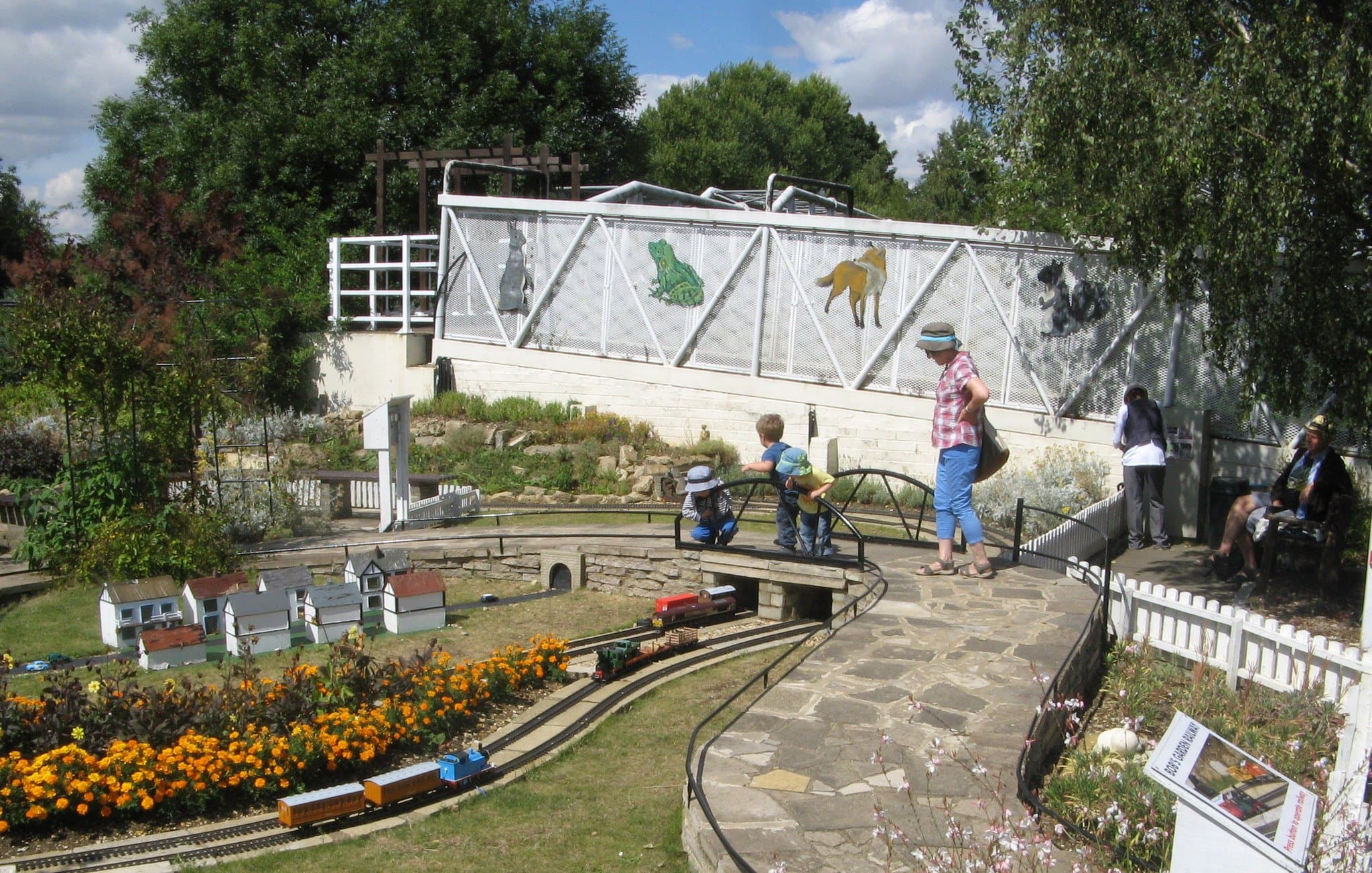
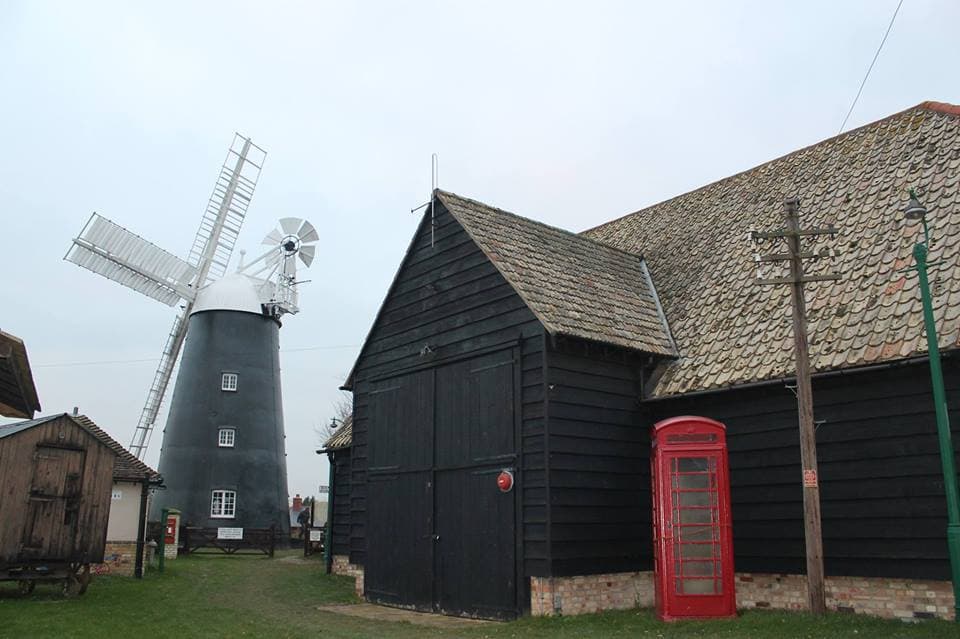
Sixteen museums in Cambridgeshire, and one of them is on a scale that changes how the day has to be planned. Imperial War Museum Duxford is hangars of aircraft on an old airfield, and somewhere that size can hold a five-year-old and a fifteen-year-old at once, because they move at different speeds and stay in the same building. The other fifteen are smaller and much more particular about who they suit. Centre for Computing History repays a child old enough to recognise what an old machine was for. Railworld Wildlife Haven and Burwell Museum are gentler, shorter stops. Just one name on the list is marked free at the door in our data, The Fitzwilliam Museum; nothing whatsoever is held under entry for the other fifteen, which is a gap in what we hold rather than a statement about them.
Top museums in Cambridgeshire
Showing 1–12 of 16
 Museums
Imperial War Museum Duxford
 Museums
Bottisham Airfield Museum
 Museums
Centre for Computing History
 Museums
Railworld Wildlife Haven
 Museums
Burwell Museum
 Museums
The Fitzwilliam Museum
 Museums
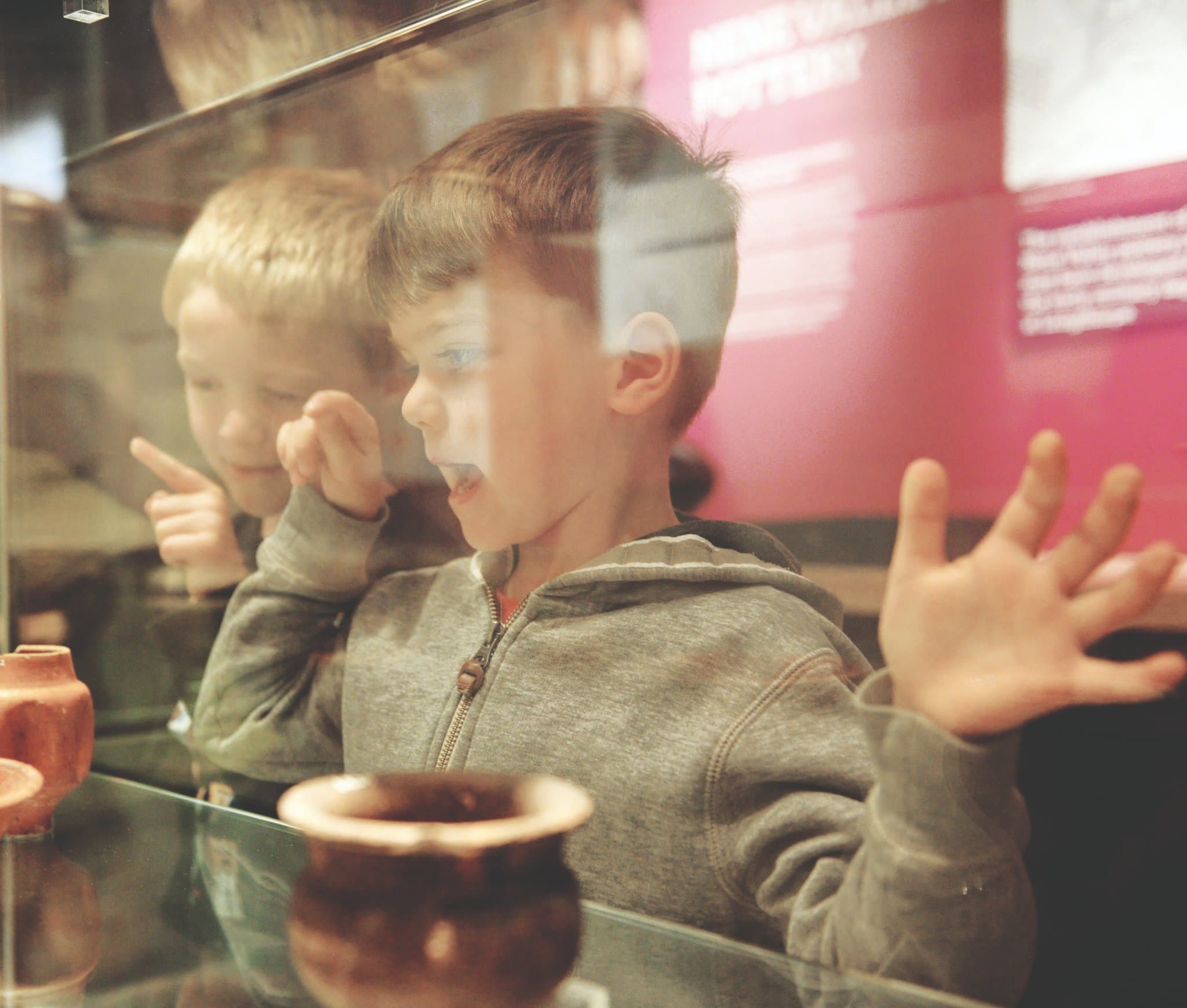
Peterborough Museum and Art Gallery
 Museums
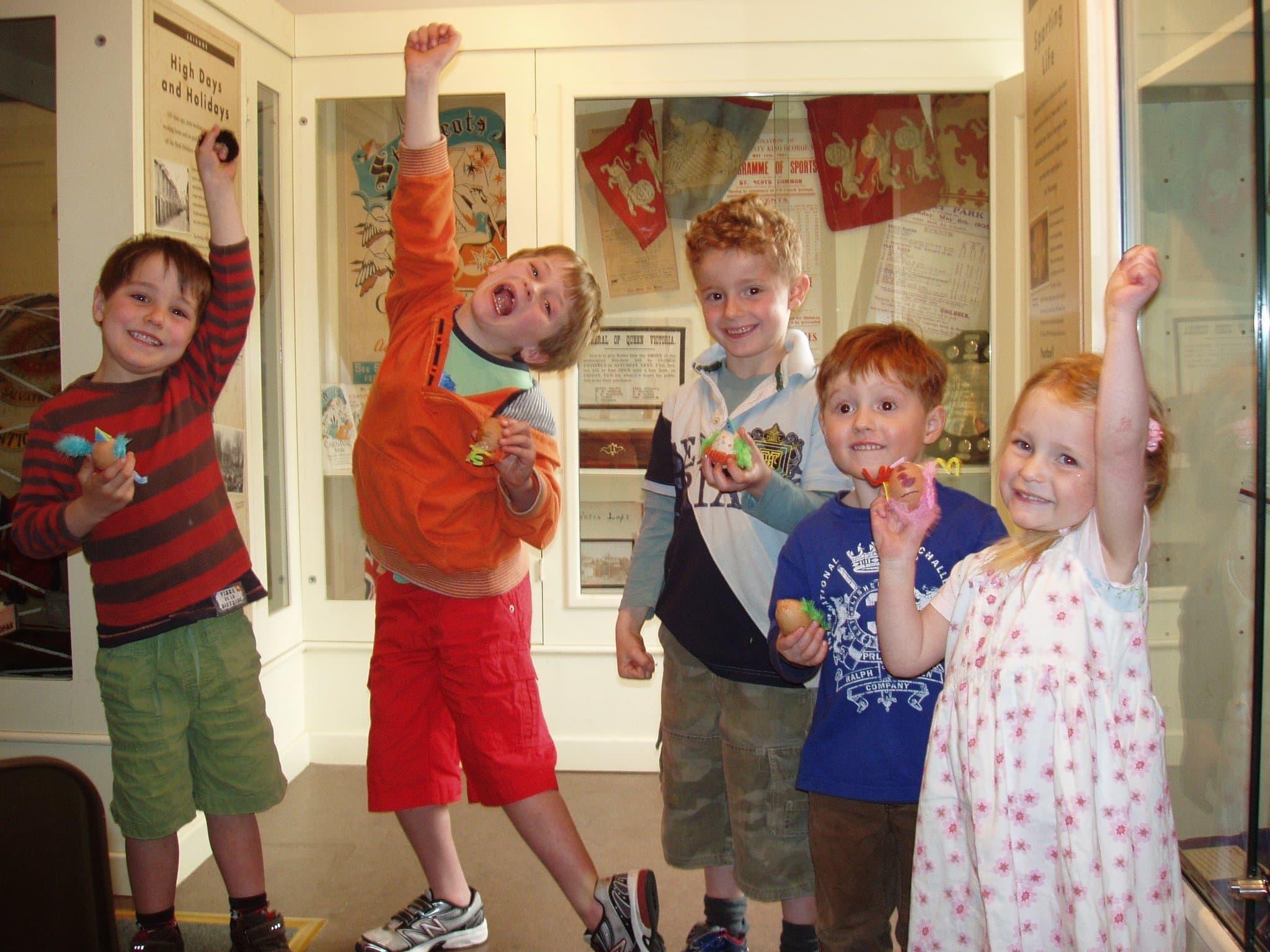
St Neots Museum
 Museums
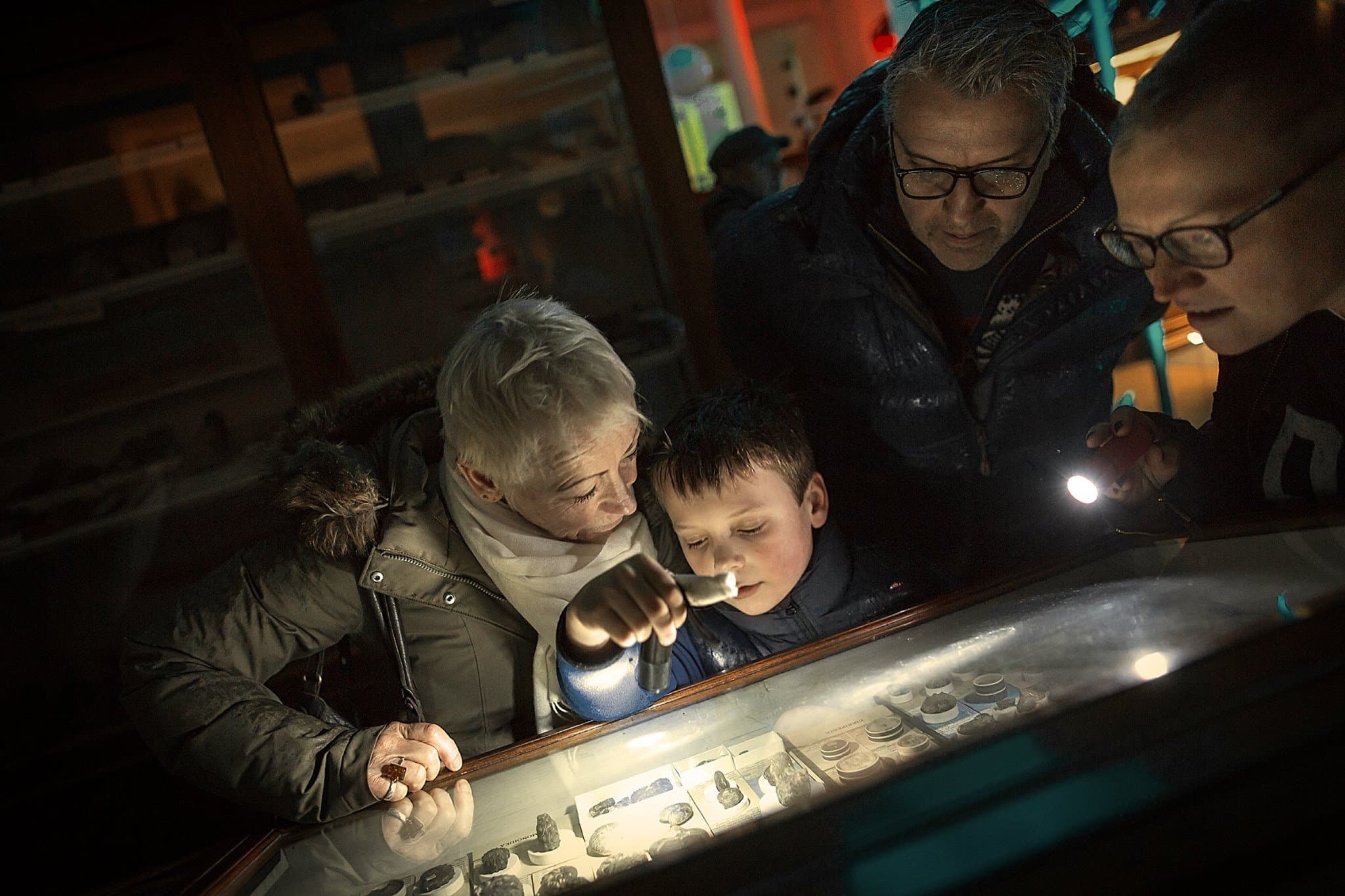
Sedgwick Museum of Earth Sciences
 Museums
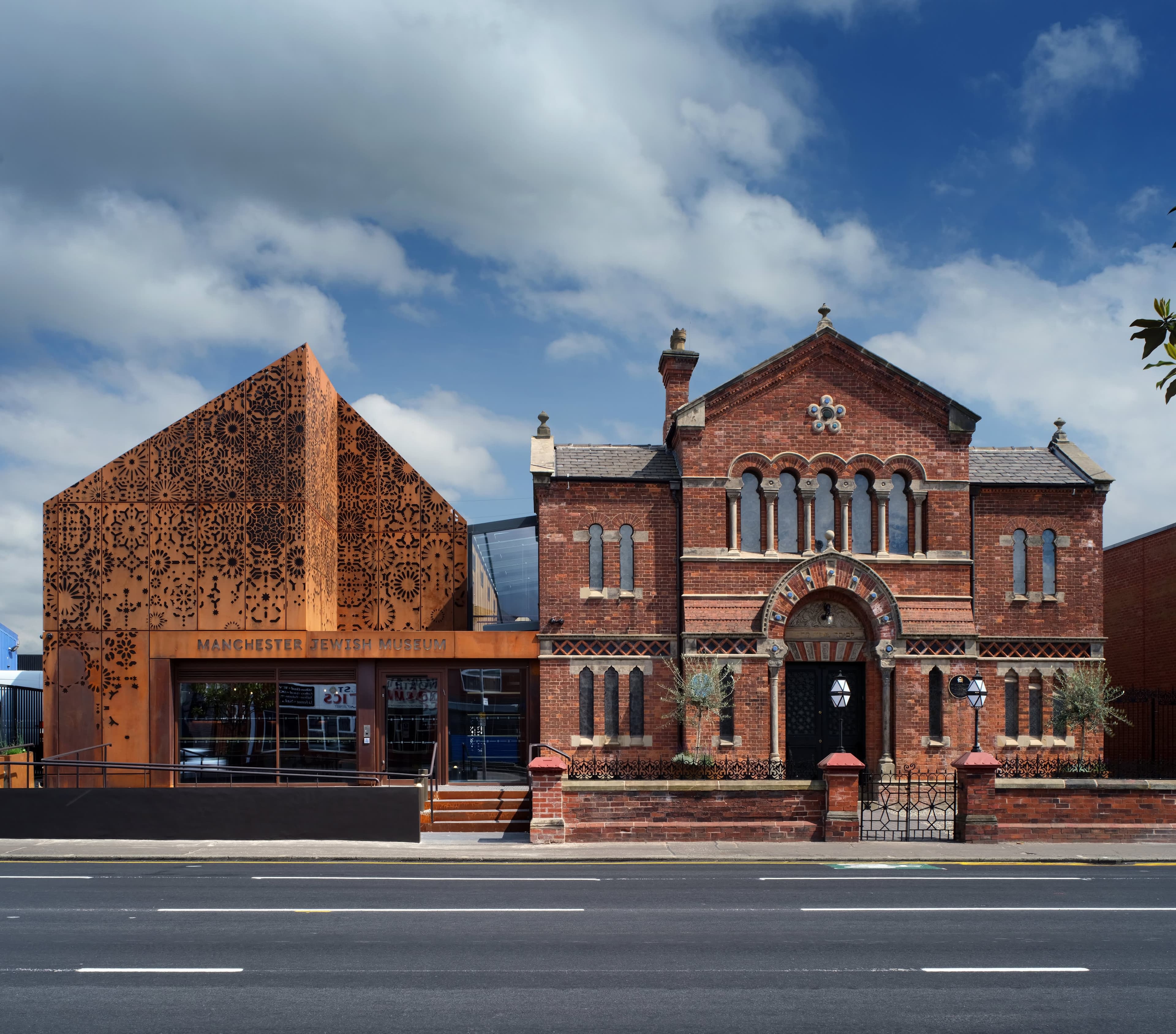
Manchester Jewish Museum
 Museums
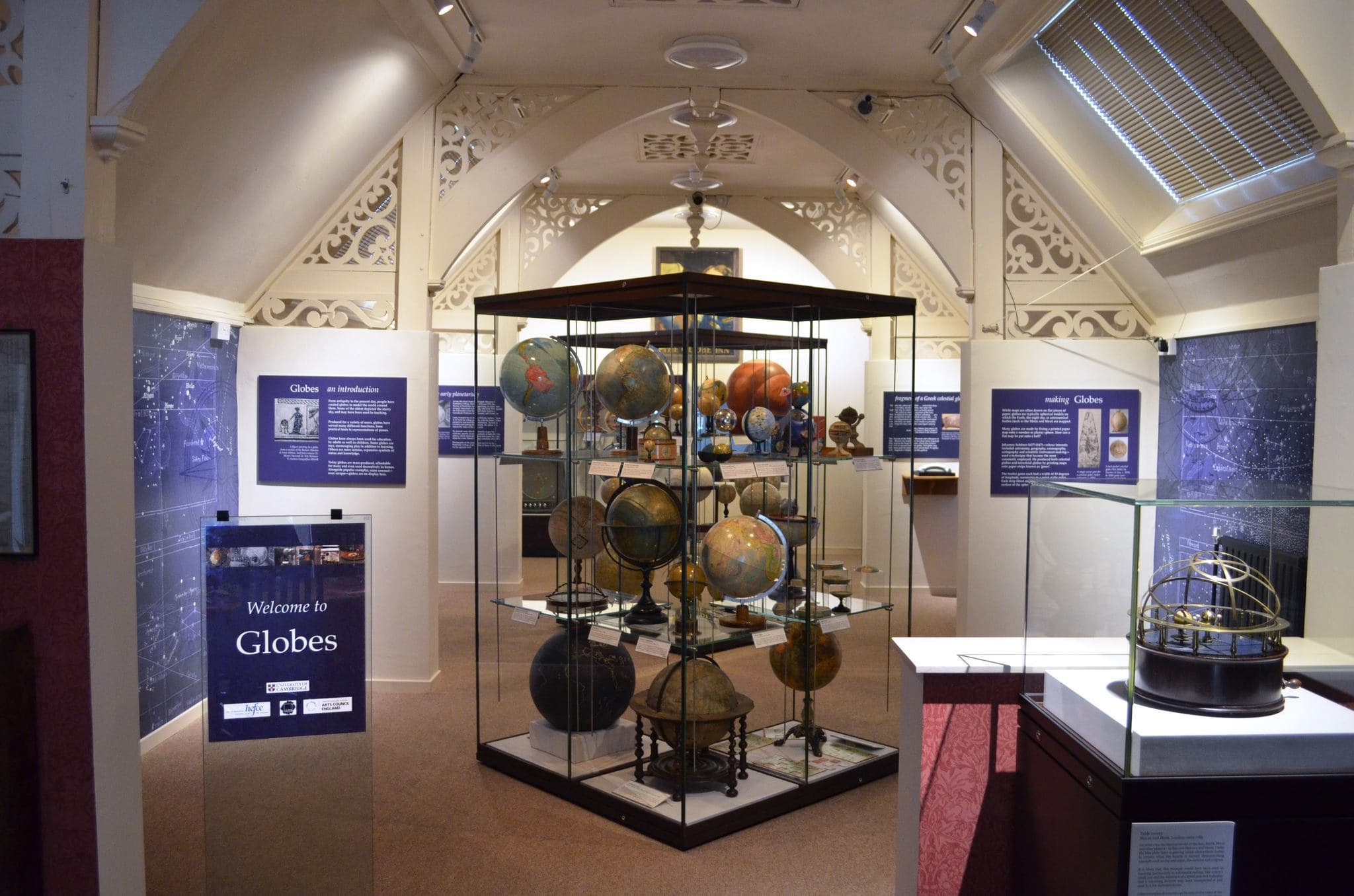
Whipple Museum of the History of Science
 Museums
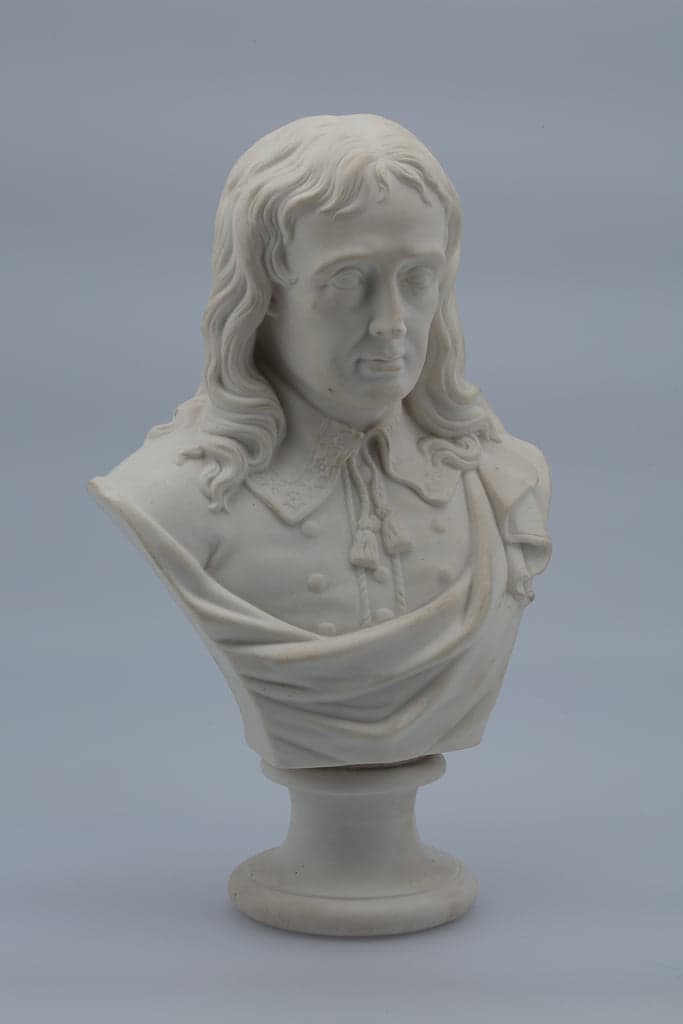
Cromwell Museum
Read the county as one all-day destination plus fifteen short visits, and let the ages in the car decide which you need. A small museum is a satisfying hour with an under-eight and a thin afternoon for a teenager on their own. Duxford inverts that: it is large, and large is what a family with a wide age spread is actually looking for. Eleven of the sixteen have nothing recorded about entry at all, which makes a phone call worth more than an assumption.
Museums in Cambridgeshire: FAQs
Is Duxford too much for a very young child?
It is a lot of ground rather than a difficult visit, so the limit is legs rather than interest. A three-year-old will not get round everything, but they do not need to — standing under one aircraft is the whole experience at that age, and a place with several hangars means you can stop after the first without feeling short-changed. Bring the pushchair even for a child who has mostly stopped using one. The failure mode with a small child here is not boredom, it is exhaustion at the far end of the site.
Which of these works for an eleven-year-old who says museums are boring?
Centre for Computing History is the one to try, because the objects are things they already have an opinion about. A child of that age who plays games recognises a console or a home computer, and recognition is what turns a cabinet into a conversation. It also sidesteps the usual problem with older children in museums, which is that they have read enough labels in school trips to have stopped reading labels. Imperial War Museum Duxford pulls off the same trick on a much larger scale.
Are all sixteen really museums?
Broadly, though a few of them sit oddly. Railworld Wildlife Haven pairs railway heritage with a wildlife site, so it is doing two jobs and neither is quite a museum in the conventional sense. Several of the smaller town entries are closer to volunteer-run local collections than to institutions with staff and a shop. None of that makes them less worth an hour, but it does mean the count is better read as sixteen places with objects in them than sixteen comparable days out.
What is there for a toddler?
Short visits and somewhere to go afterwards, which is a genuine strategy rather than a consolation. The Fitzwilliam Museum costs you nothing at the door, and that changes the calculation with a small child completely — forty minutes and out is a success rather than a waste. Railworld Wildlife Haven is the other sensible choice, since trains and animals both work well below reading age. Five of the sixteen have outdoor space recorded, and with an under-five that flag is worth more than the collection.