Category
1057 Best Sports & Activity Venues In The UK
Sports and physical activity build confidence in ways little else does. Your kid learns they can climb, balance, run faster, throw harder, or just have more fun when their body's moving. Across the UK, you have 400 sports and activity venues—balanced almost perfectly between indoor and outdoor, between team sports, individual challenges, and pure physical play. The variety means whether your child's into football, ice skating, gymnastics, or just needing to burn energy, there's something that fits their shape, their confidence, and their current obsession.
Showing 1–12 of 1,057
 Theme Parks
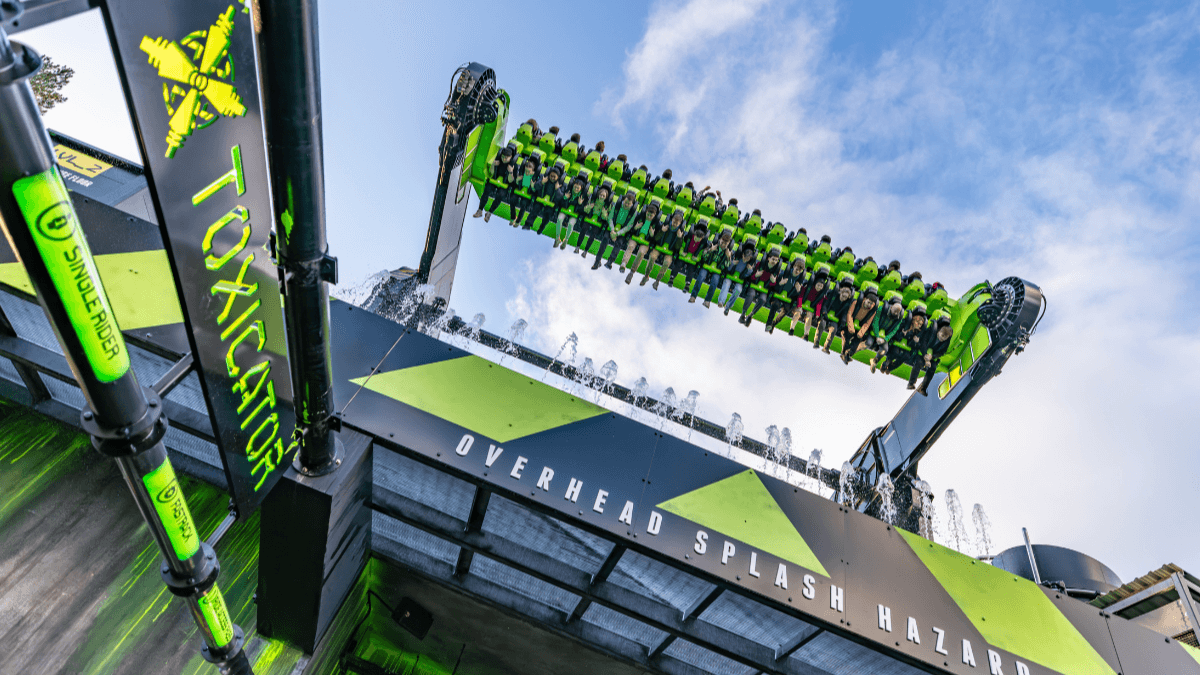
Alton Towers Theme Park
 Theme Parks
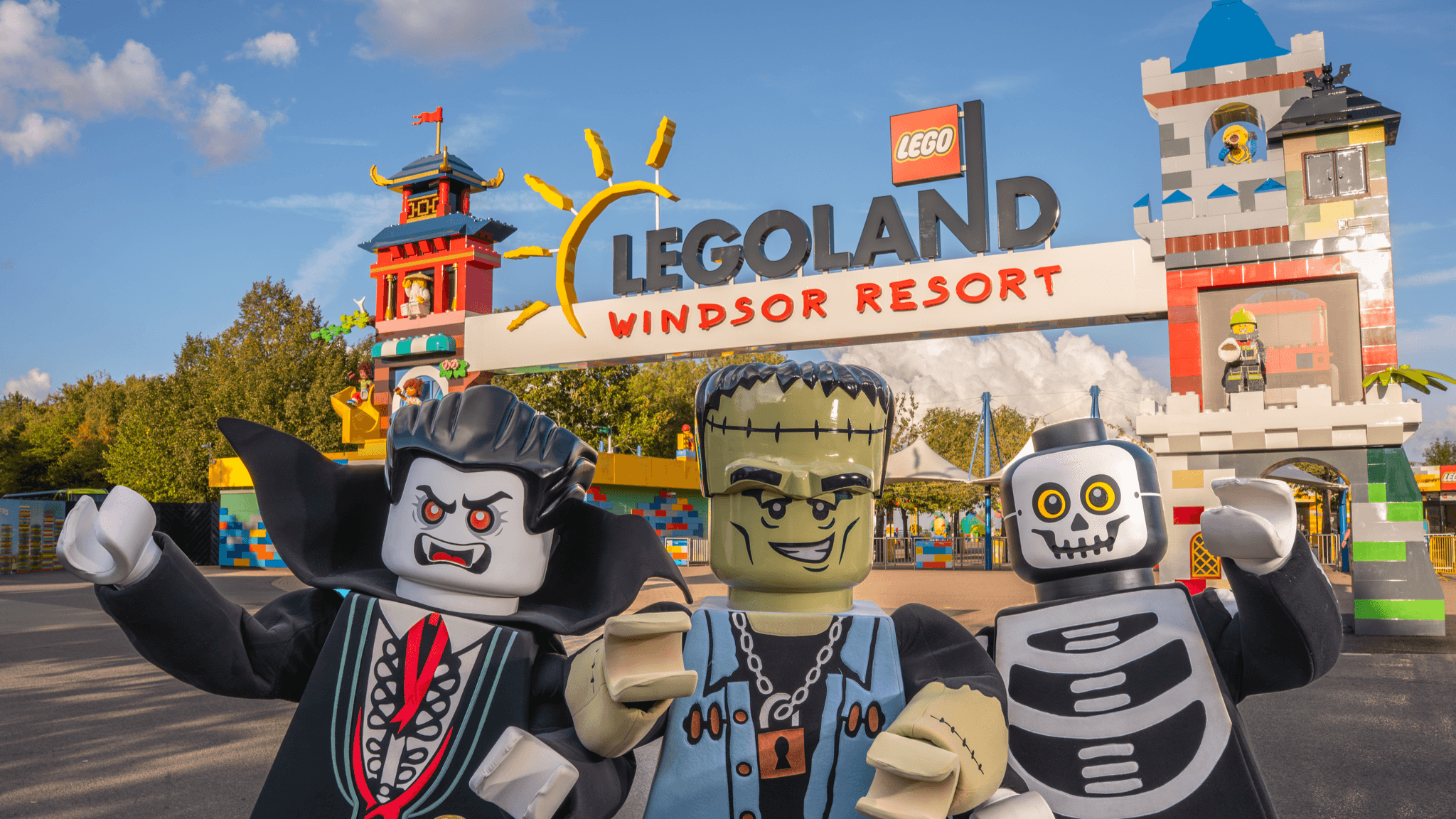
The LEGOLAND® Windsor Resort
 Parks and Playgrounds
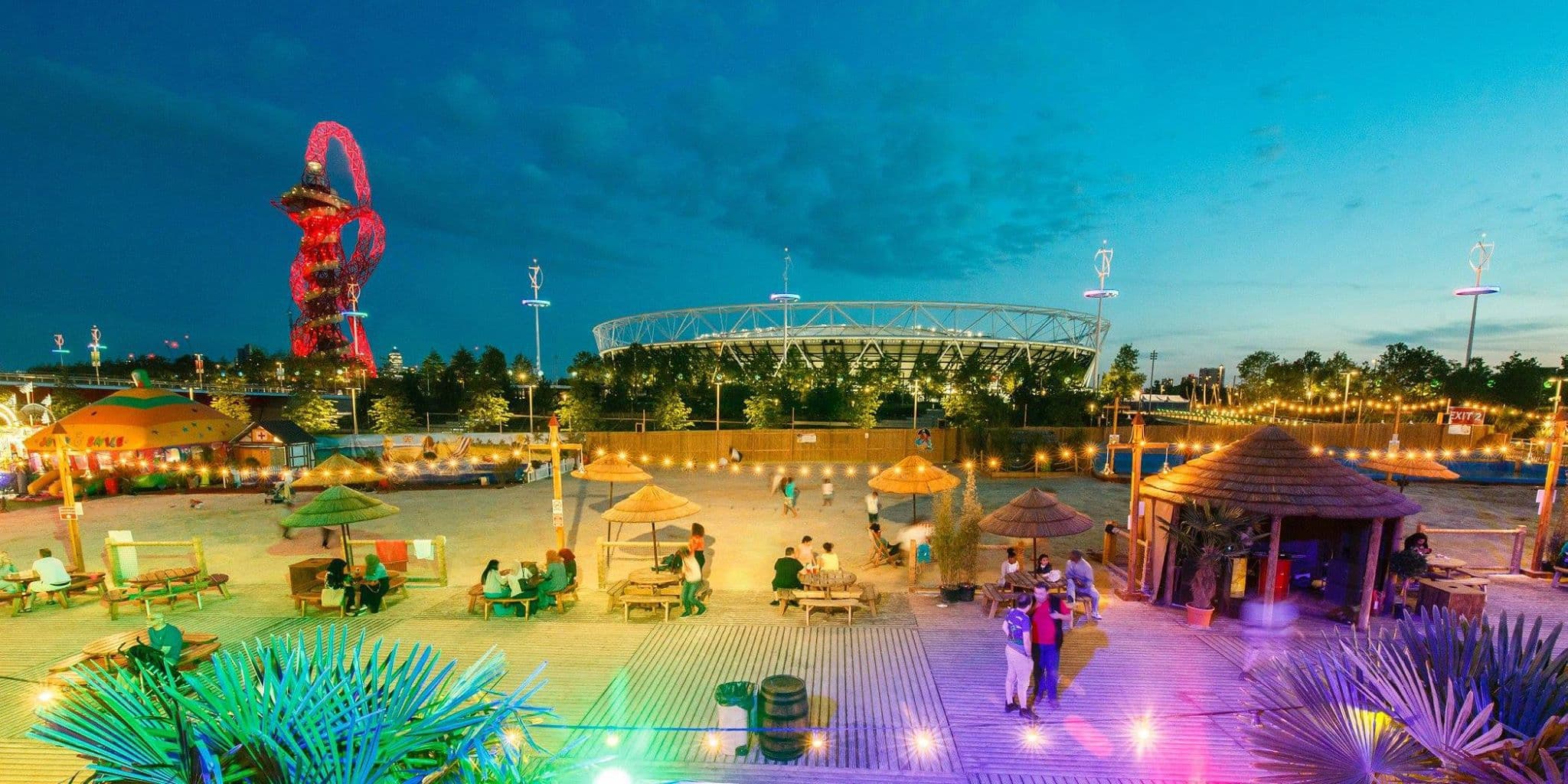
Queen Elizabeth Olympic Park
 Sports & Activities
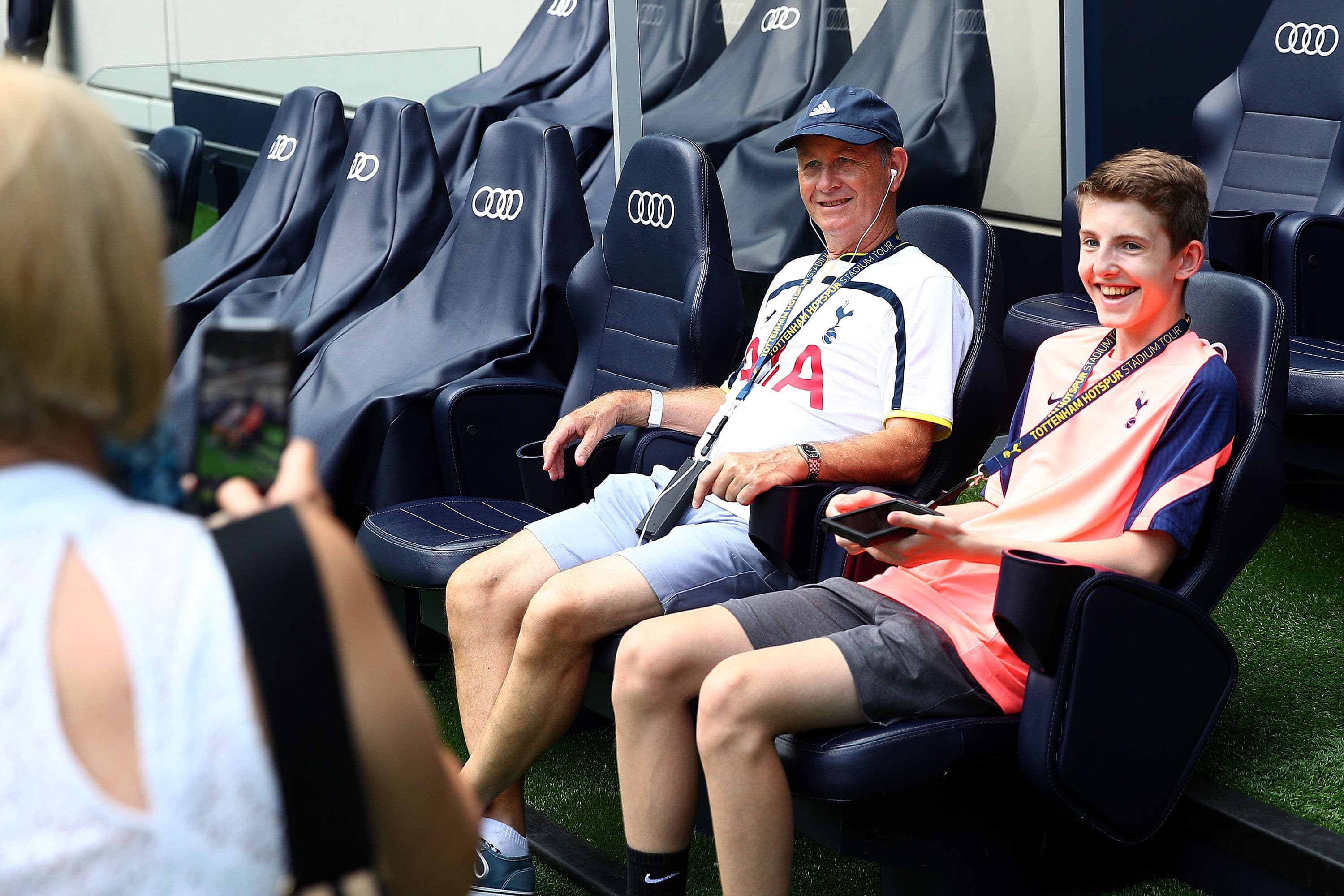
Tottenham Hotspur Stadium Tour
 Sports & Activities
Celtic Park Stadium Tour
 Sports & Activities
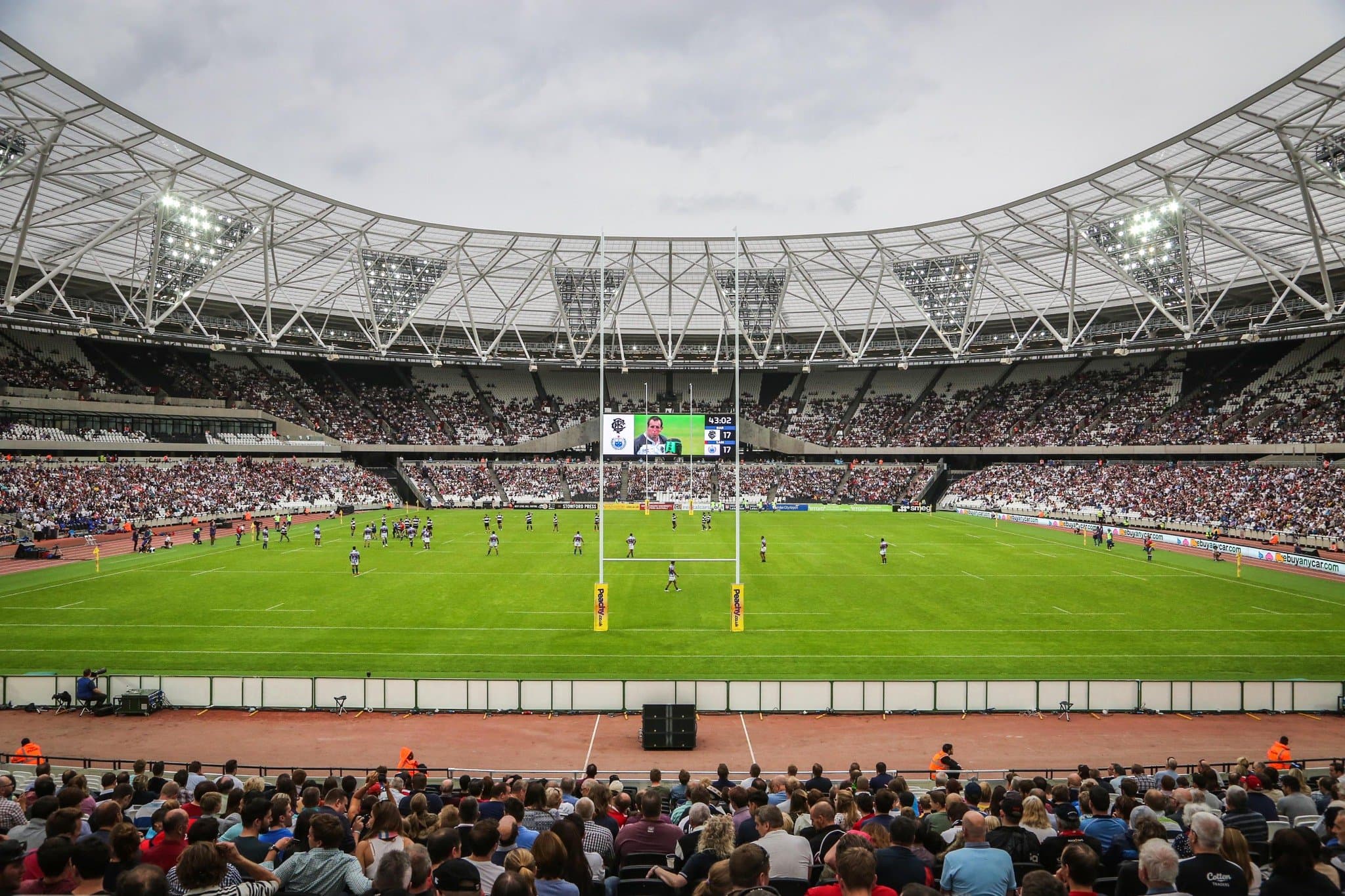
London Stadium Tour
 Sports & Activities
Ibrox Stadium Tour
 Adventure
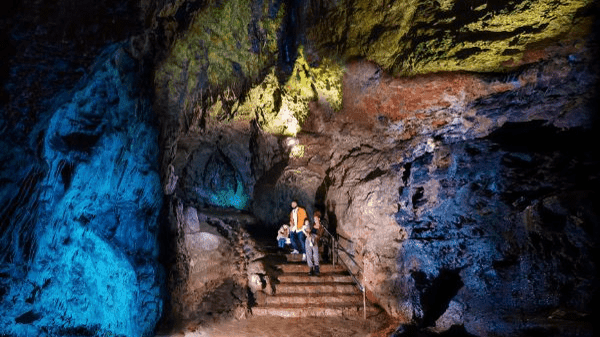
Wookey Hole Caves
 Sports & Activities
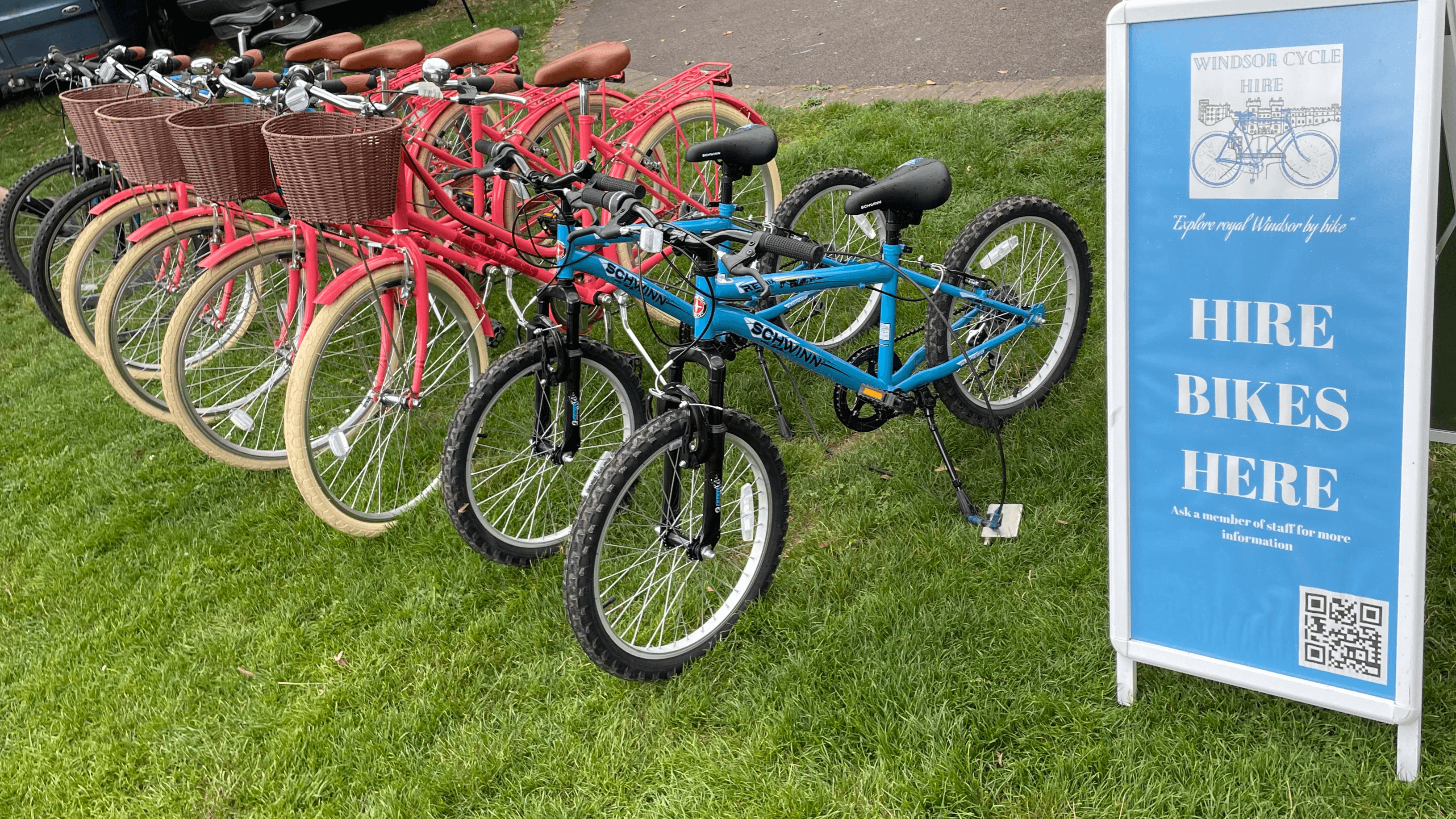
Windsor Cycle Hire
 Activity Centres
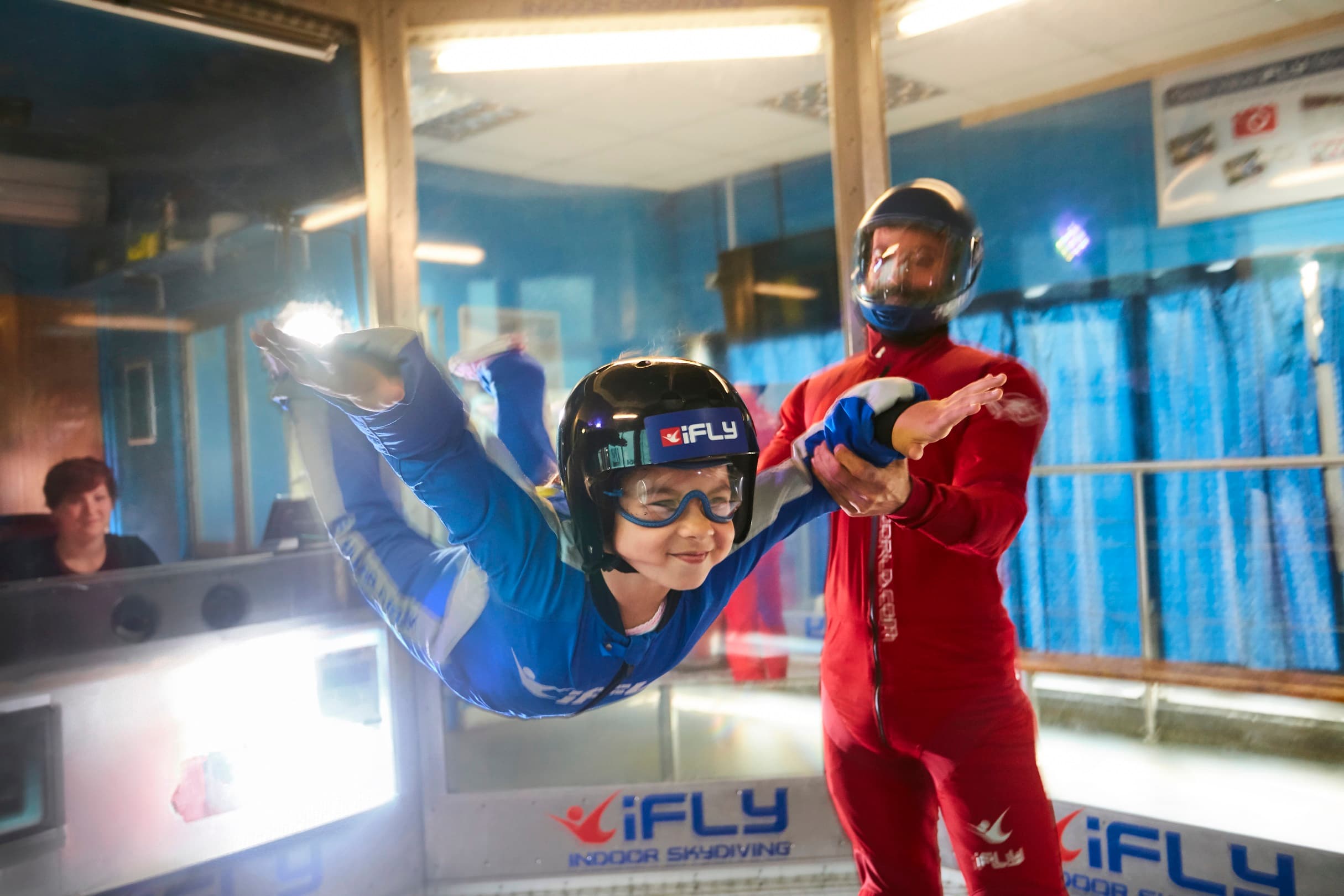
Xscape Milton Keynes
 Zoos and Wildlife Parks
Hertfordshire Zoo (Previously Paradise Wildlife Park)
 Sports & Activities
SnowDome Tamworth
What matters in sports and activities is finding the right fit for your child right now. That might be a structured class, a drop-in play session, or a competitive challenge—different kids thrive in different settings. The breadth of UK offerings means you're not forcing your child into one mould; you're finding what genuinely engages them and builds their confidence through doing.
Sports & Activities in the UK: FAQs
What types of sports and activities are available?
The 400 attractions span team sports (football, hockey, netball), individual disciplines (gymnastics, martial arts, rock climbing, horse riding), physical play (trampoline parks, soft play, adventure courses), water sports (swimming, ice skating), and specialised activities like motorsports. Indoor venues (235) include gymnastics centres, climbing walls, ice rinks, indoor sports halls. Outdoor options (232) include adventure parks, riding centres, sports fields, and activity grounds. This range means whether your child loves team dynamics, solo challenge, water, heights, or just burning energy, there's usually a venue providing exactly that focus. Some offer classes and coaching; others are just drop-in play.
What's the difference between a one-off session and a class?
A one-off session (drop-in play, open-skating times, activity sessions) lets your child try something without commitment—you pay for that session and go home. Classes are structured, weekly or regular commitments with coaching, progression, and often assessment. For exploring whether your child likes something new, drop-in is lower-pressure and lower-commitment. For building real skill or confidence, classes usually work better—your child learns progressively and coaches notice development. Many venues offer both; you might do a drop-in session to see if your kid enjoys something, then book classes if they love it. Neither is better—they serve different purposes.
How do you know what suits your child?
Start with what they already enjoy: if they love running, sprinting or football fits; if they like challenges, climbing or gymnastics; if they're sociable, team sports; if they're more independent, individual activities. Many venues let you watch before committing or offer trial sessions. Don't assume a quiet child doesn't want team sports or an energetic child needs competitive challenge—personality doesn't always predict what actually engages them. Talk to your child, try a few things, and notice what they actually ask to go back to, not what you think they should enjoy. The breadth of options means there's genuinely something for every temperament and interest; finding it might take trying a few things.
What about kids who are anxious or less confident?
Many venues have low-pressure drop-in sessions specifically for kids building confidence—soft play and beginner-level activities let children go at their own pace. Smaller, quieter venues often suit anxious kids better than huge activity centres. Look for venues that understand nervous kids and let them observe before participating. Certain activities (gymnastics with individual progression, one-to-one coaching) build confidence brilliantly because kids see actual improvement. The key is finding an environment where your child feels safe trying something new—neither pressured nor completely unstimulated. With 400 venues, you can usually find a fit that suits your child's temperament rather than forcing them into an overcrowded or high-pressure setting.