Category
370 Best Swimming Pools In The UK
Learning to swim is one of the most valuable skills you'll give your child, and swimming pools exist specifically to make that possible. Across the UK, 370 pools offer year-round access to water, whether indoors for winter or outdoors for summer. Two of them offer free entry, and many more are heavily subsidised by local councils, making swimming affordable rather than an expensive luxury. The pools themselves range from big leisure centres with multiple pools and slides, down to small community pools focused purely on lap swimming and lessons. For families, the appeal goes beyond swimming lessons: pools offer a place where children can build confidence in water, burn off energy, and develop a physical skill that opens up lifelong sport and safety. Whether your child is just learning to float or perfecting their strokes, there's a pool that meets them where they are.
Showing 1–12 of 370
 Activity Centres
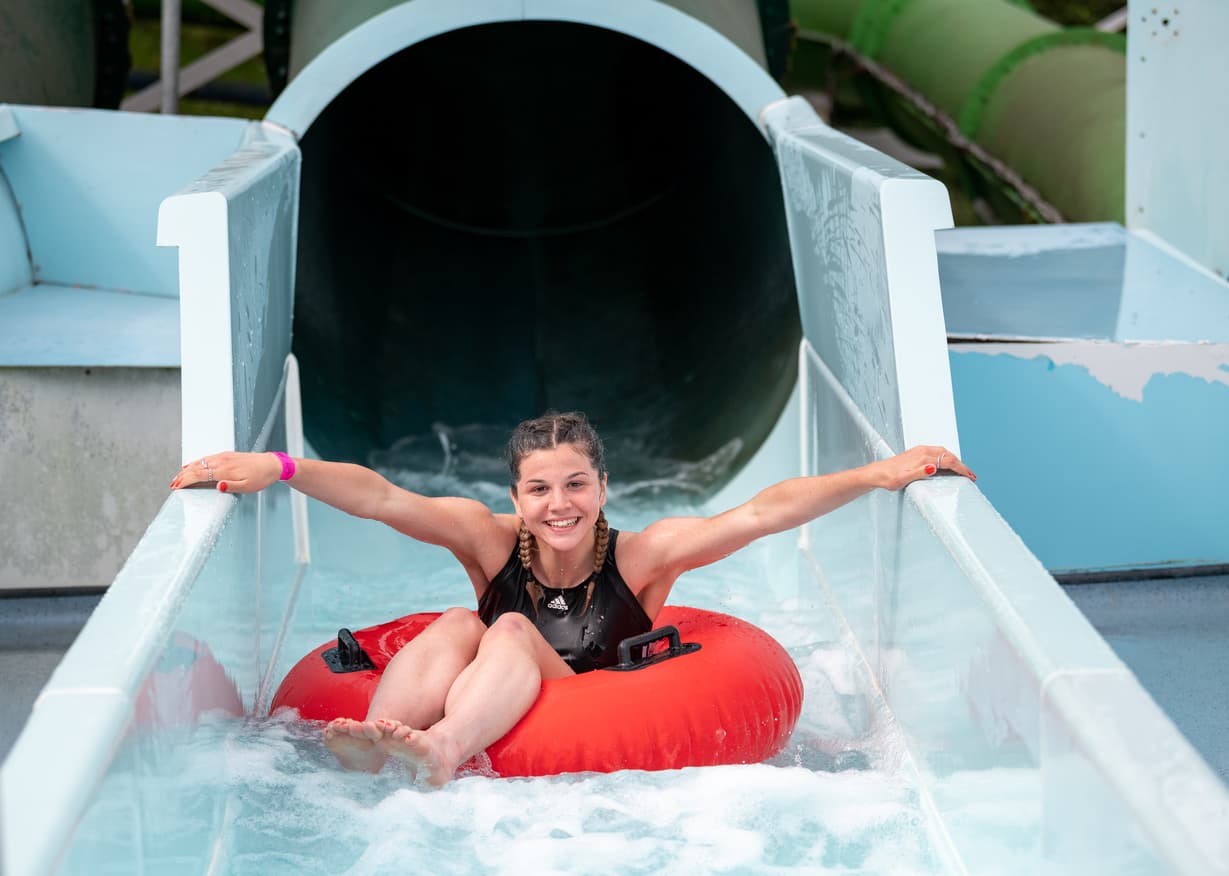
Tower Park
 Swimming Pools
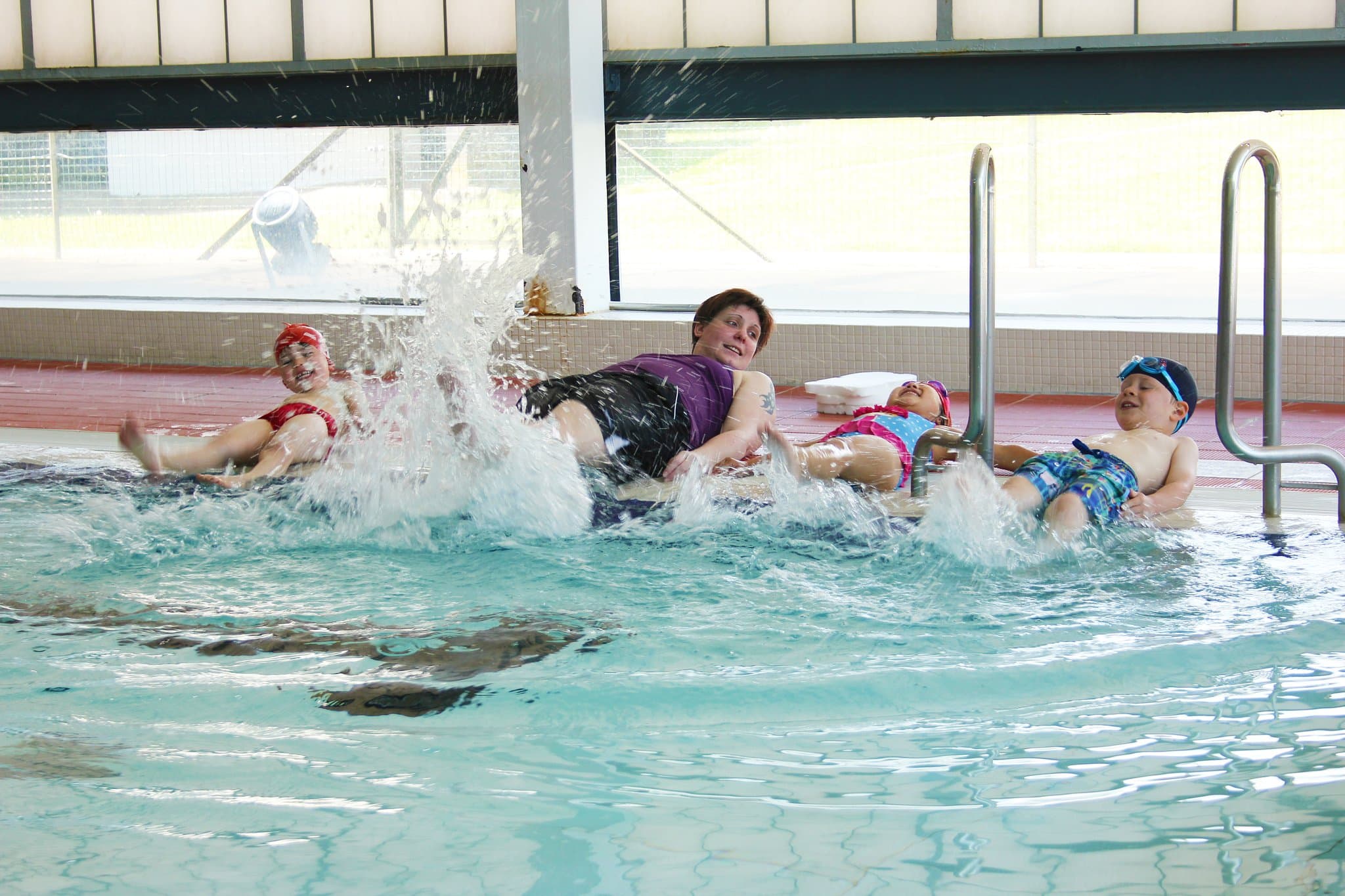
Sportspace Hemel Hempstead
 Swimming Pools
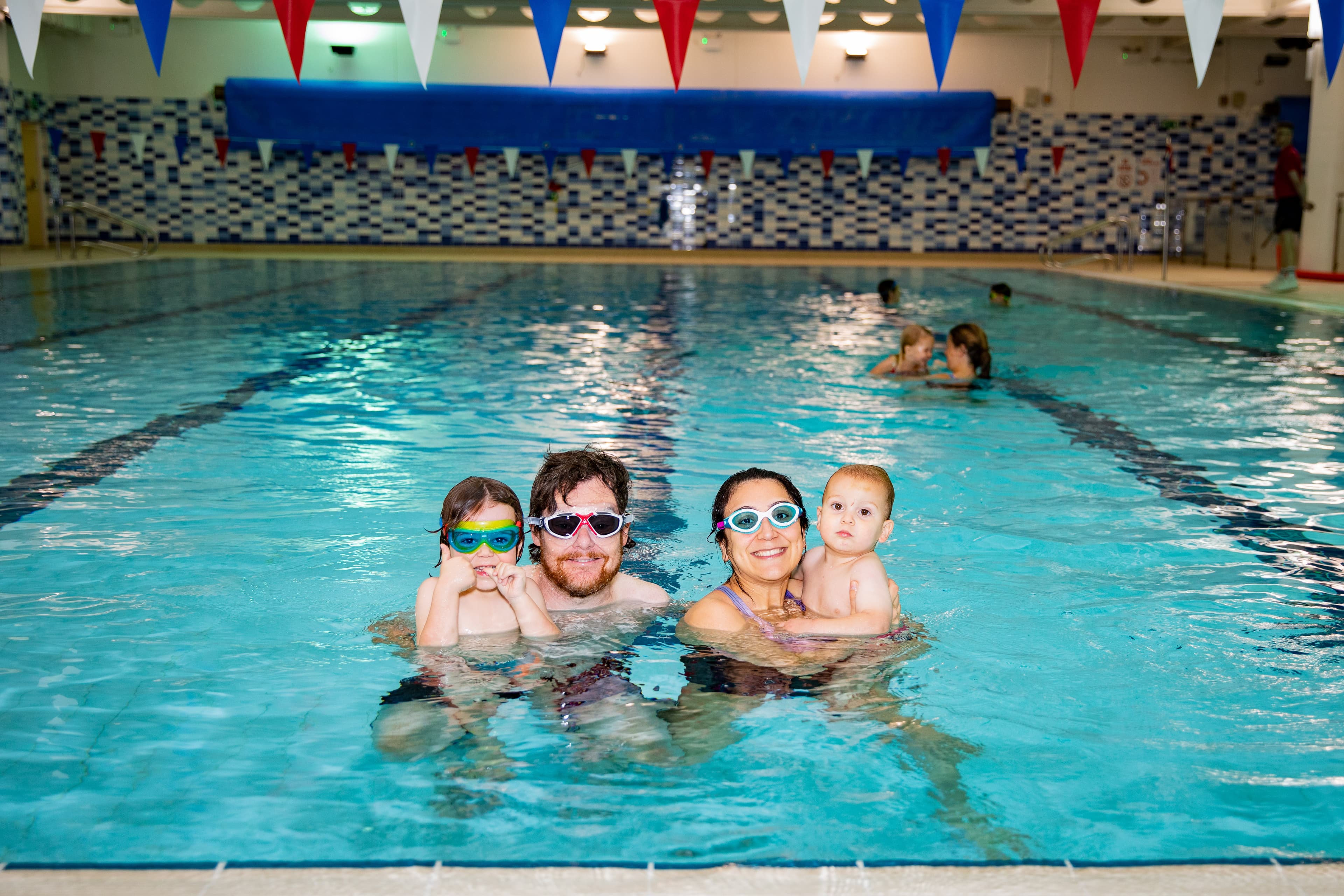
The Greenwich Centre
 Water Parks
Alpamare Water Park
 Swimming Pools
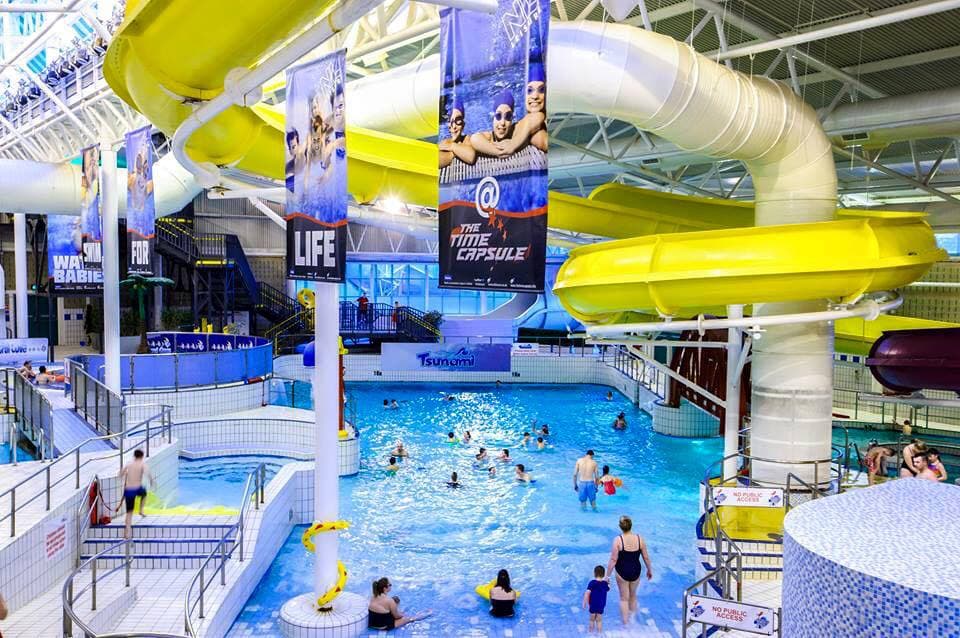
The Time Capsule
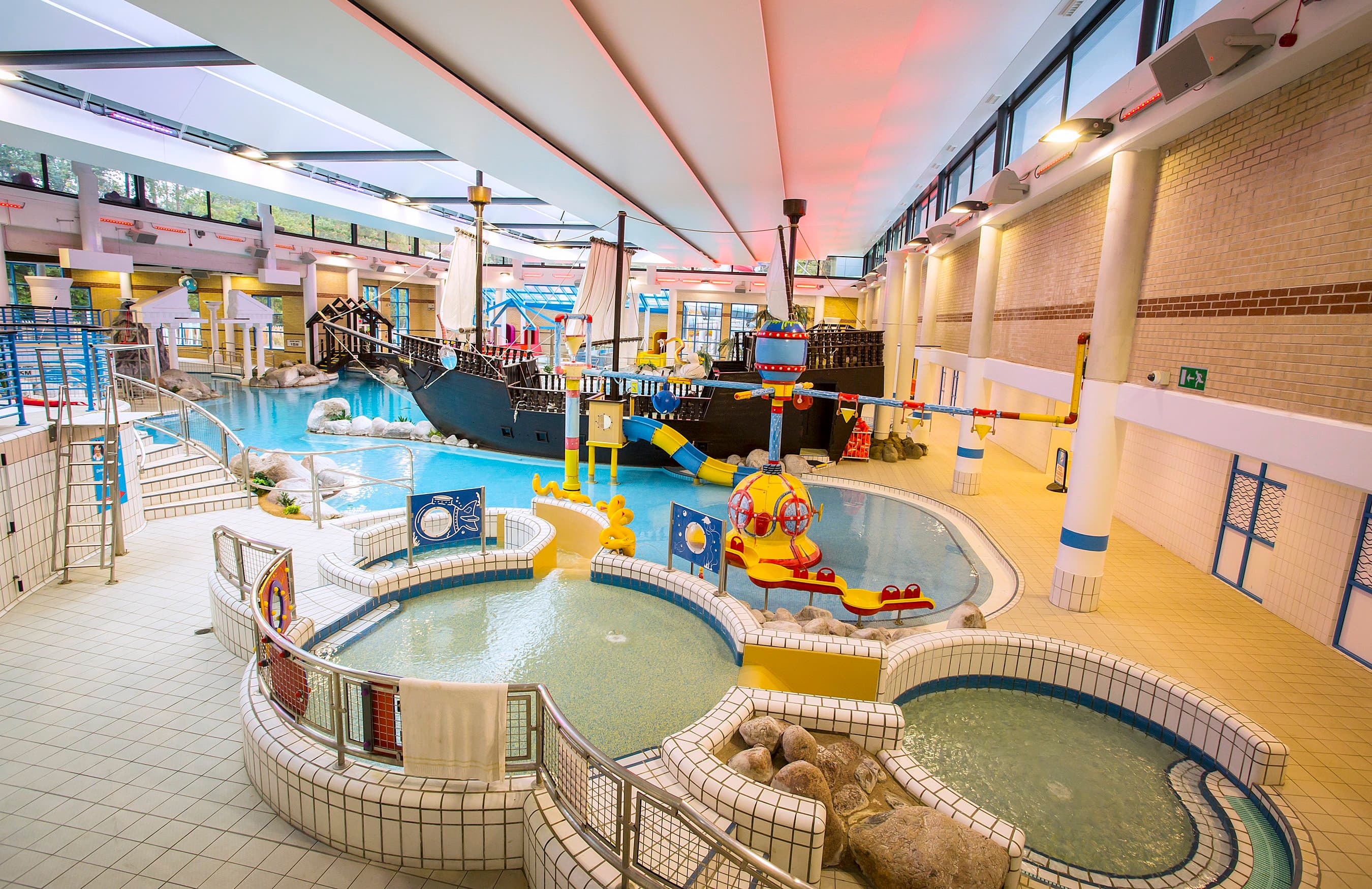 Water Parks
Coral Reef Waterworld
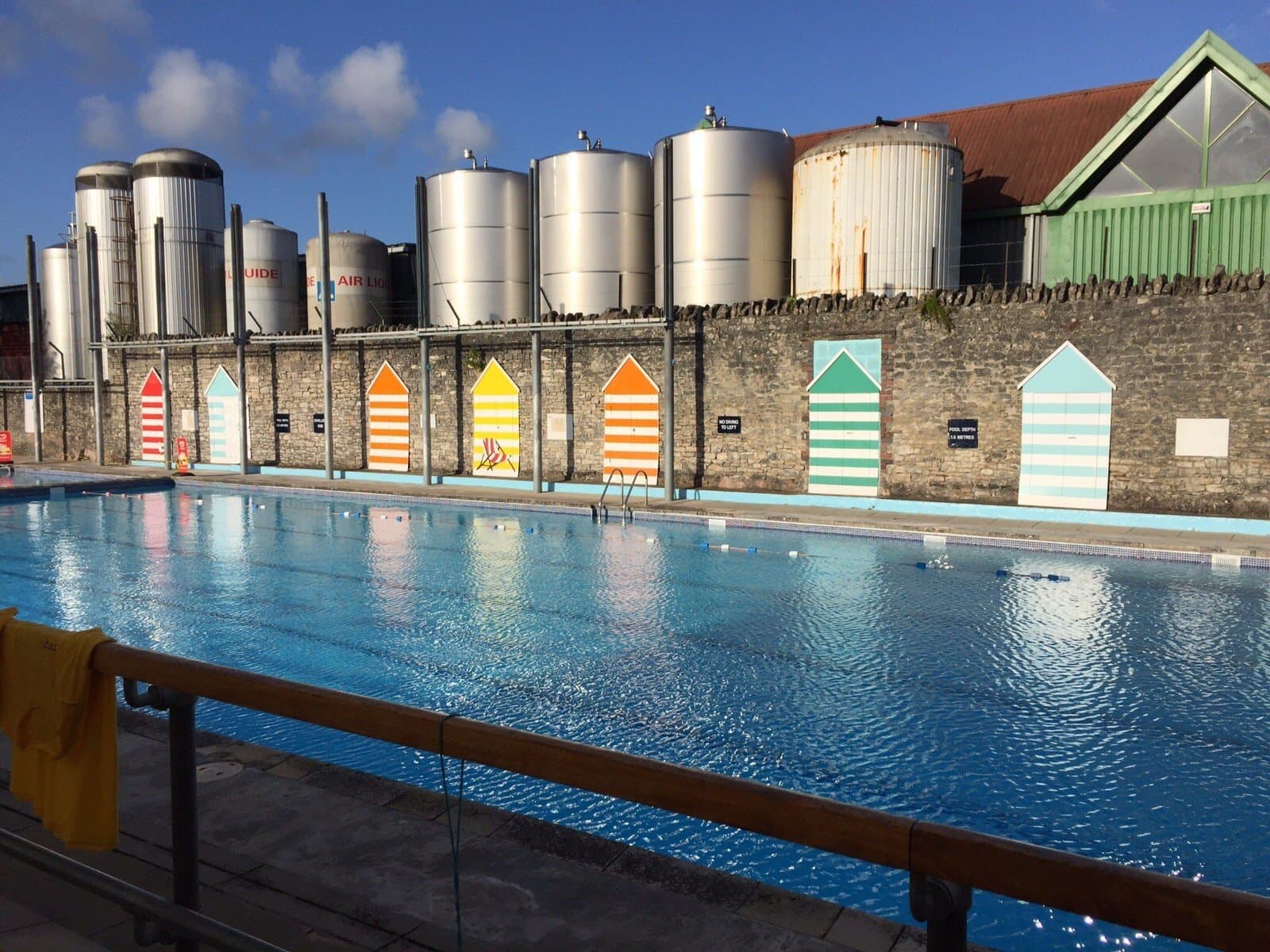 Water
WaterShepton Mallet Lido
 Swimming Pools
Guildford Spectrum
 Water Parks
Calypso Cove Waterpark
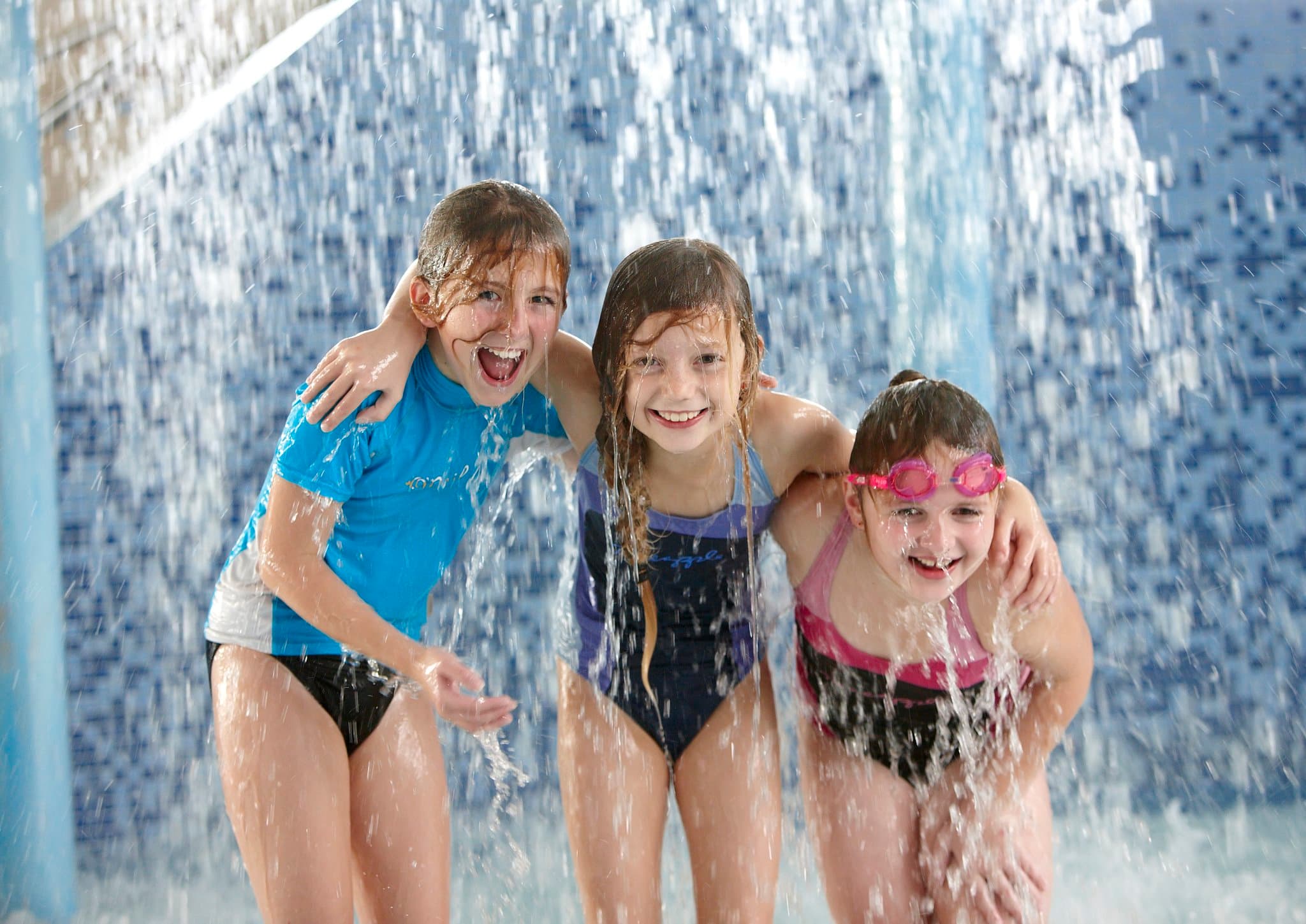 Water Parks
The LC Swansea
 Swimming Pools
Barnsley Metrodome Leisure Complex
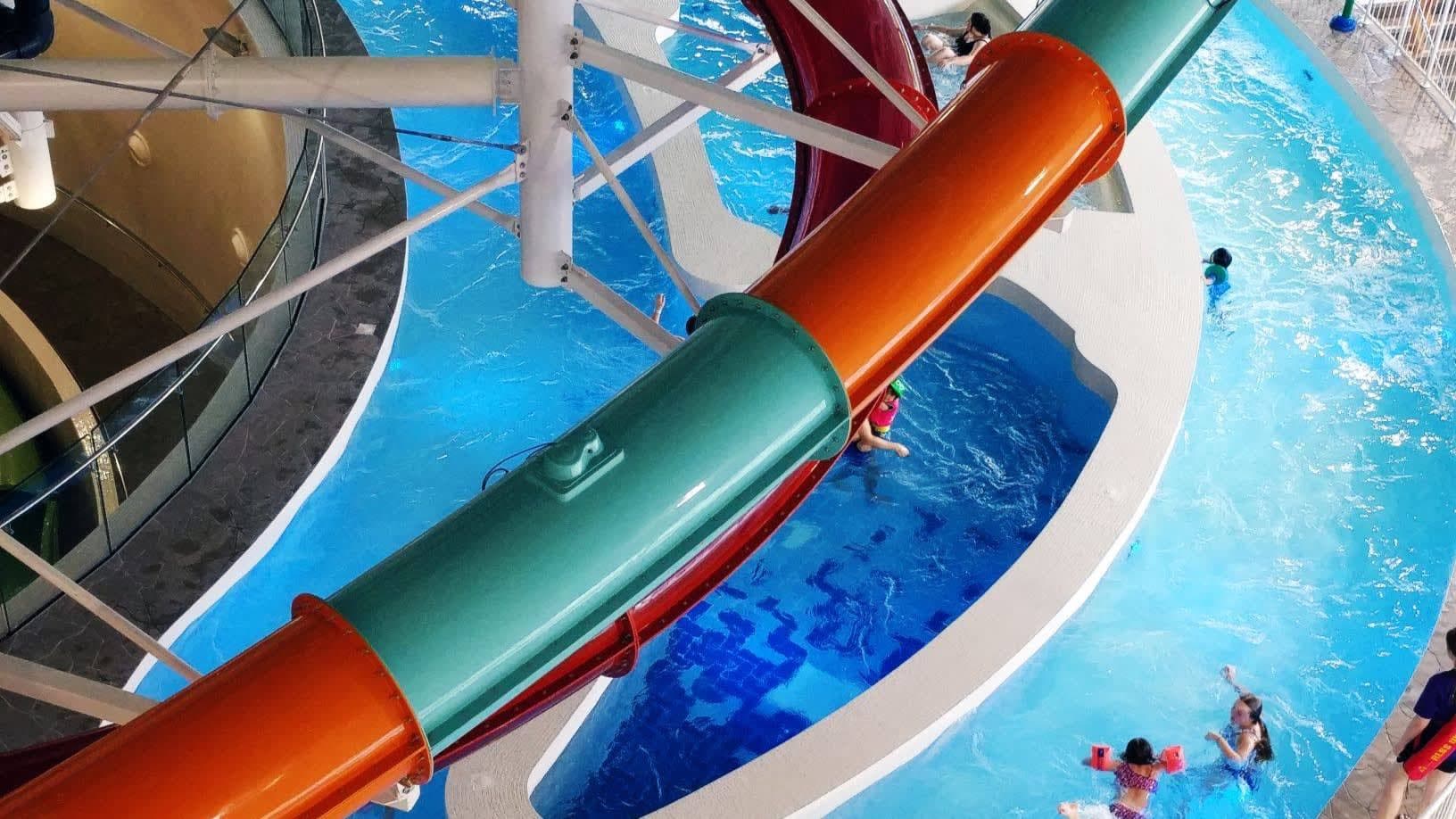 Water Parks
The Wave Coventry
Swimming pools are spaces where your child gets incrementally braver, stronger and more skilled—and every session in the water is a step toward independence and physical confidence that'll benefit them their entire life.
Swimming Pools in the UK: FAQs
At what age can children start swimming?
Formal swimming lessons often start around four years old, but children can get comfortable in water much earlier. Some parents start taking babies and toddlers to pool sessions designed for very young children—these focus on water comfort and play rather than technique. By age four or five, most children are developmentally ready to grasp swimming concepts. That said, every child develops at their own pace. What matters is that your child feels safe and willing; if they're not ready at four, waiting until five or six is absolutely fine. Starting lessons when they're genuinely interested works better than forcing it.
Do pools offer swimming lessons?
Most do, yes—both council-run leisure centres and private pools typically offer lessons at various levels, from complete beginners to advanced strokes. Lessons vary in price and quality, so it's worth checking reviews or asking your pool directly about their teaching approach and qualifications. Some pools offer group lessons (cheaper, more fun socially) and others offer one-to-one lessons (faster progress, tailored to your child). Many pools also run specific sessions during school holidays or weekends when families are available.
What should my child wear to a pool?
Swimwear designed for the pool is essential—regular clothes won't work. For young children, swim nappies or swim pants are often required before they're toilet-trained. Bring a towel, flip-flops, and a bag for wet clothes. Many pools prohibit street shoes on the pool deck, so flip-flops make sense. After-pool, a change of clothes and a jumper help your child warm up quickly. Hair that's shoulder-length or longer should be tied back, though most pools don't require swimming caps for casual visits. Check your specific pool's rules before you go, as some have particular requirements.
Are pools hygienic and safe?
Pools are regularly tested and managed to maintain safe water quality and hygiene standards. That said, they're communal spaces—illness can spread and accidents happen. To reduce risks, avoid pools when you or your child are unwell, and make sure your child uses the toilet before swimming. In the water, supervision is crucial: children can slip, tire suddenly or panic, so always know where they are and stay close. Lifeguards are there to help but aren't a substitute for active parent supervision. Teaching your child water-safety skills and rules sets them up for safer swimming throughout their life.