Category
1711 Best Sightseeing Attractions In The UK
Sightseeing is the UK doing what it does best: giving you somewhere genuinely interesting to look at, and then—crucially for families—giving you *something to do there*. This isn't just standing about admiring views. It's 400 attractions including train rides, treasure trails, heritage sites, and interactive museums where your kids can actually engage. Three-quarters are outdoors, so most sightseeing days involve genuine exploration and discovery, not guided-tour queuing.
Showing 1–12 of 1,711
 Sightseeing
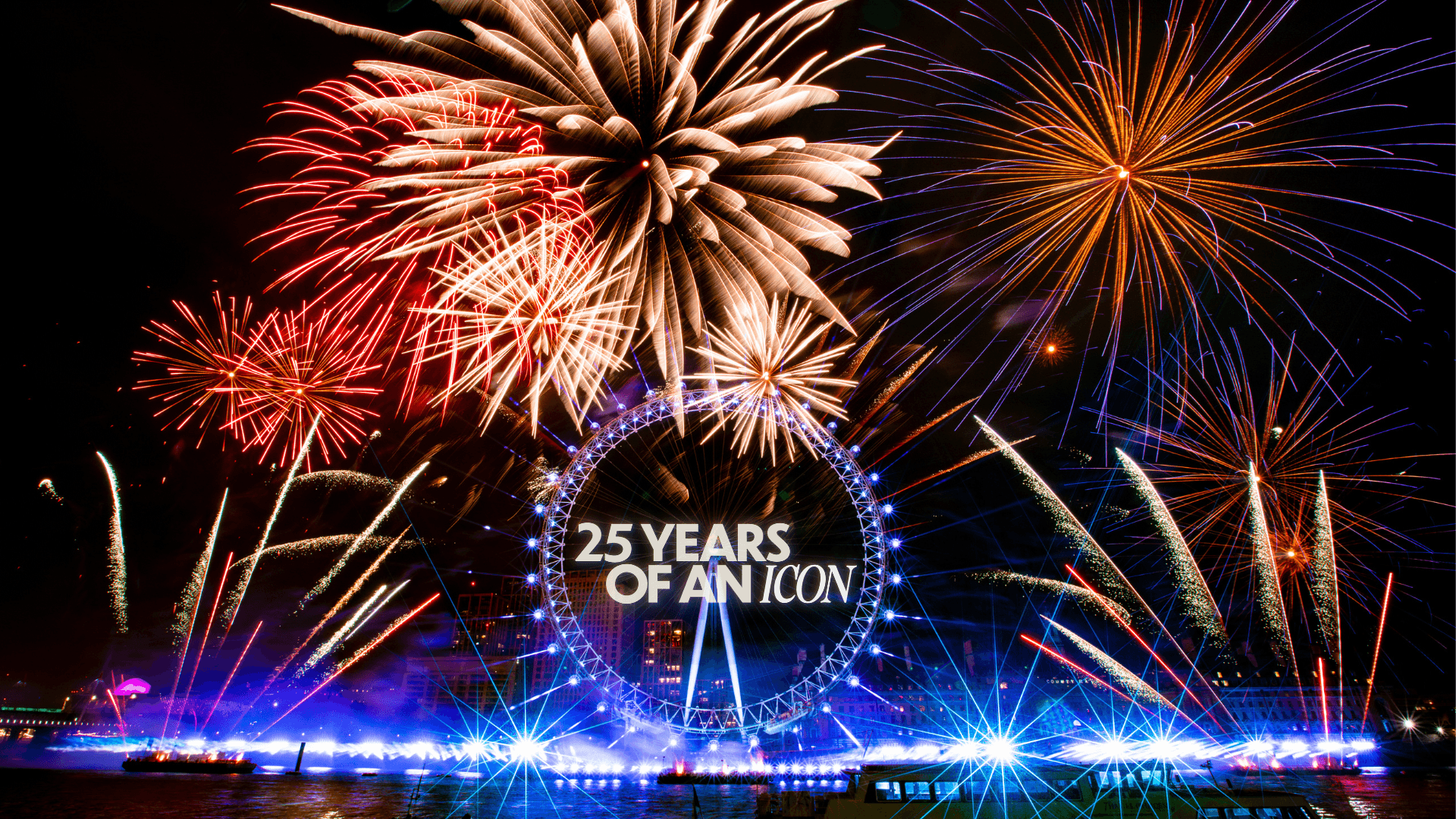
The London Eye
 Sightseeing
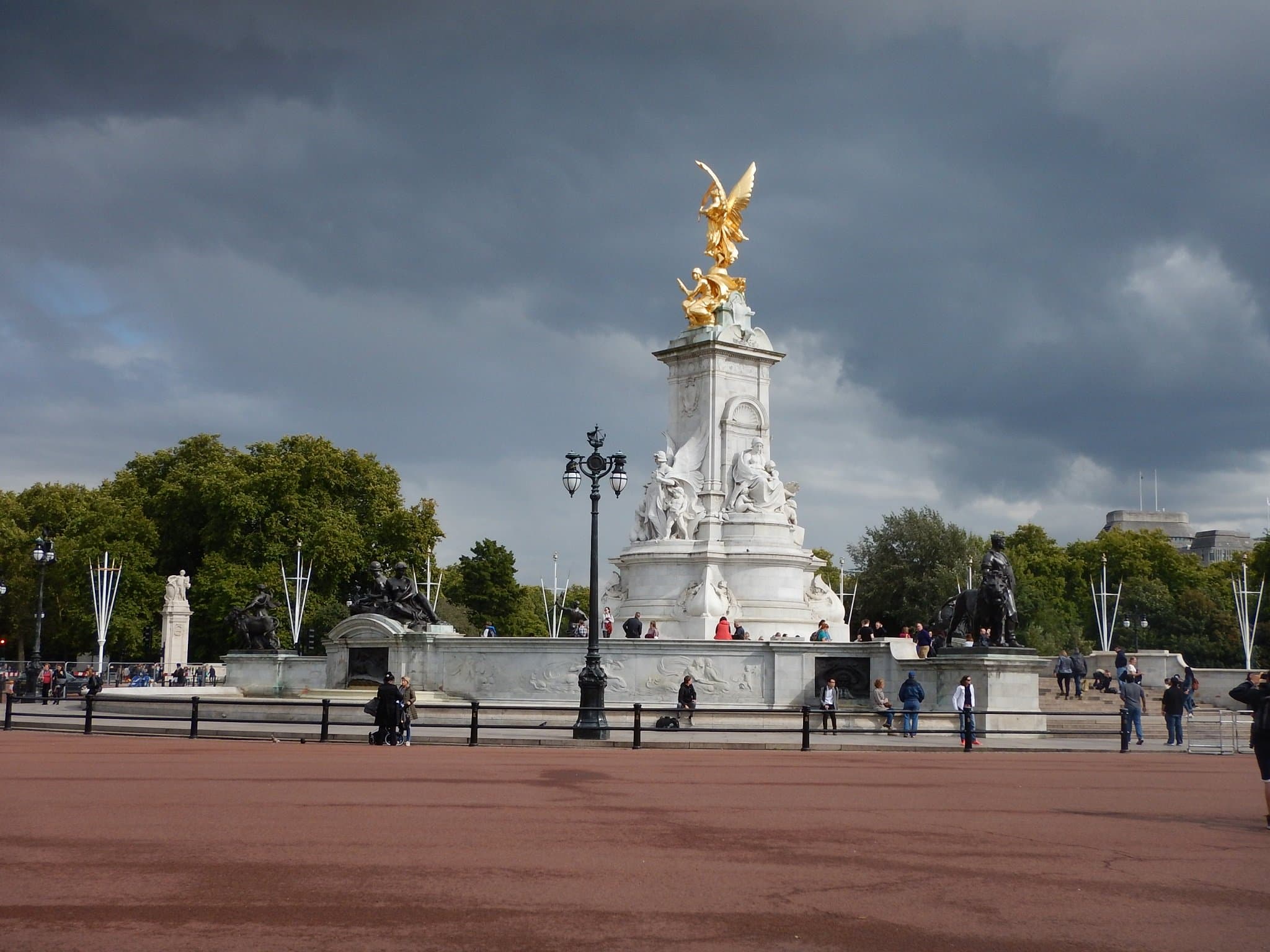
Huntfun London Buckingham Palace Area
 Castles
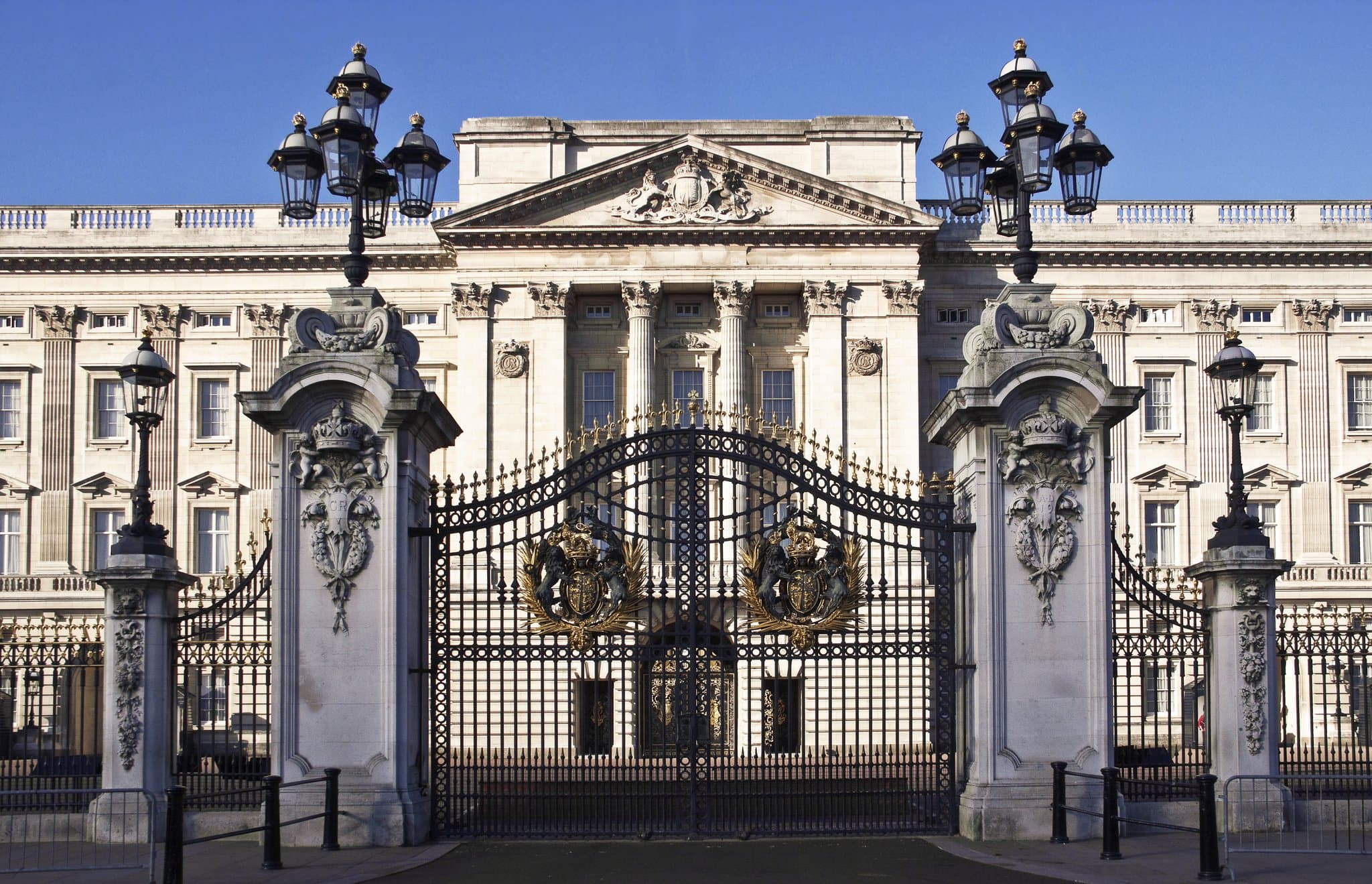
Buckingham Palace
 Sightseeing
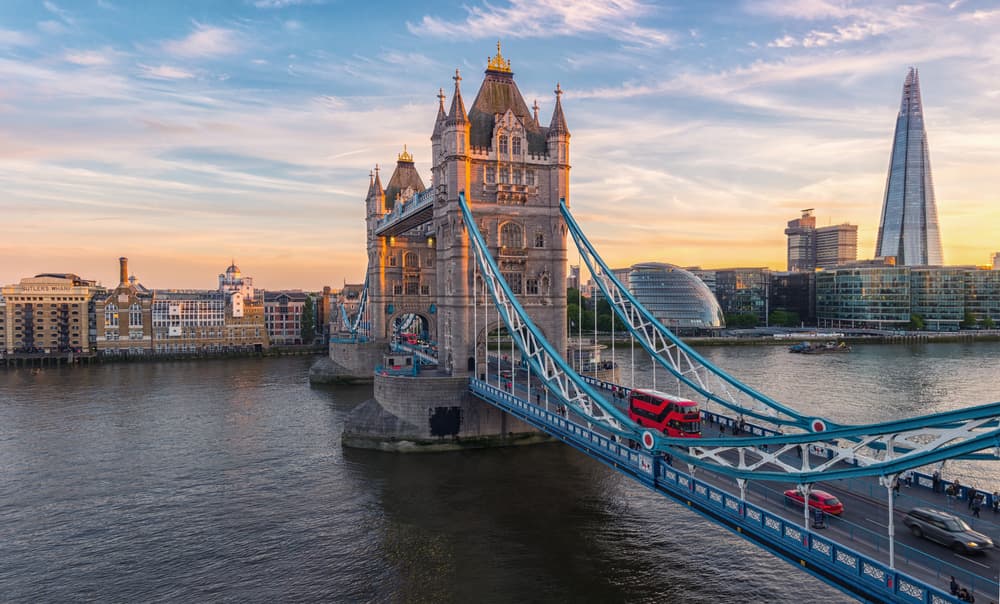
Tower Bridge
 Sightseeing
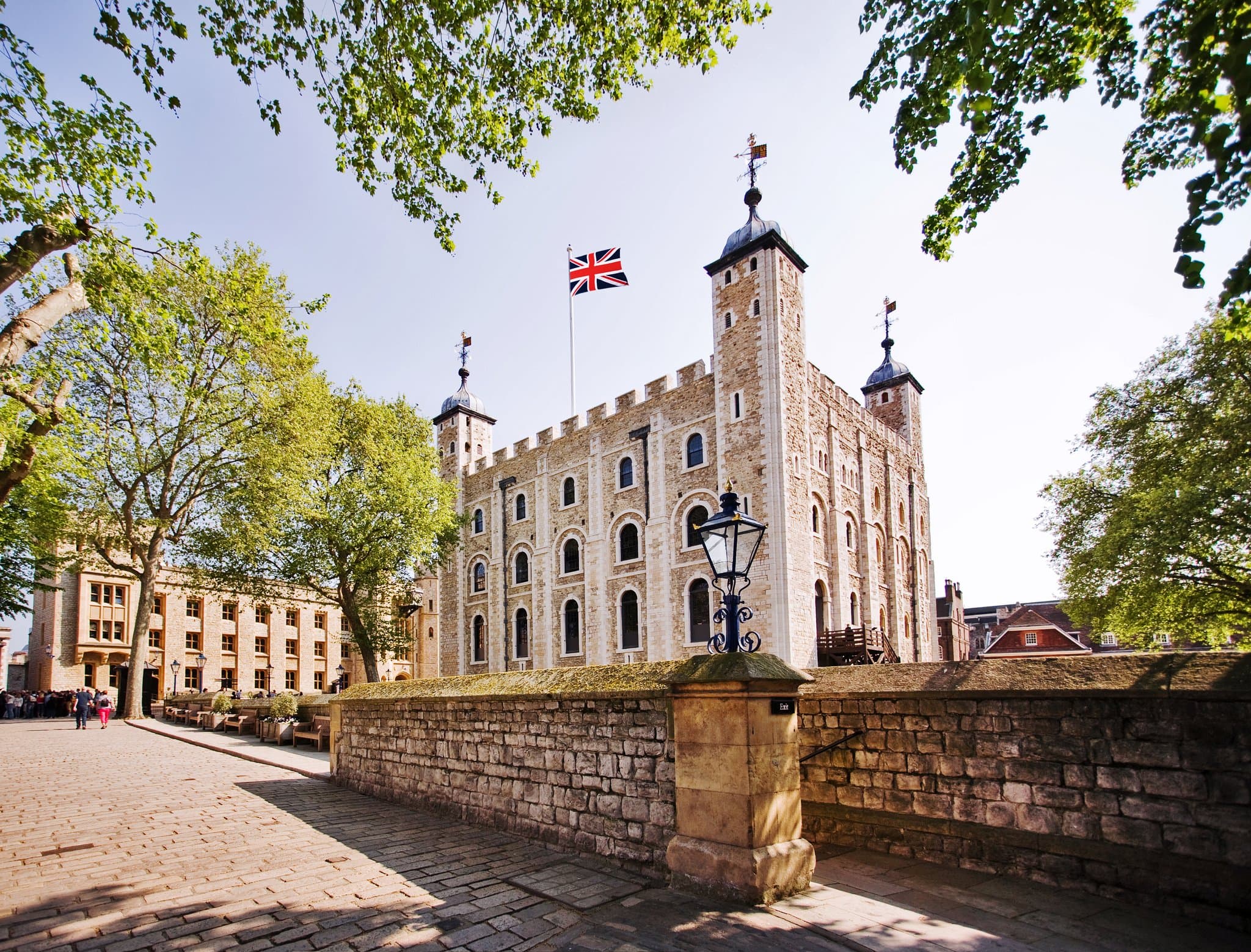
Tower of London
 Sightseeing
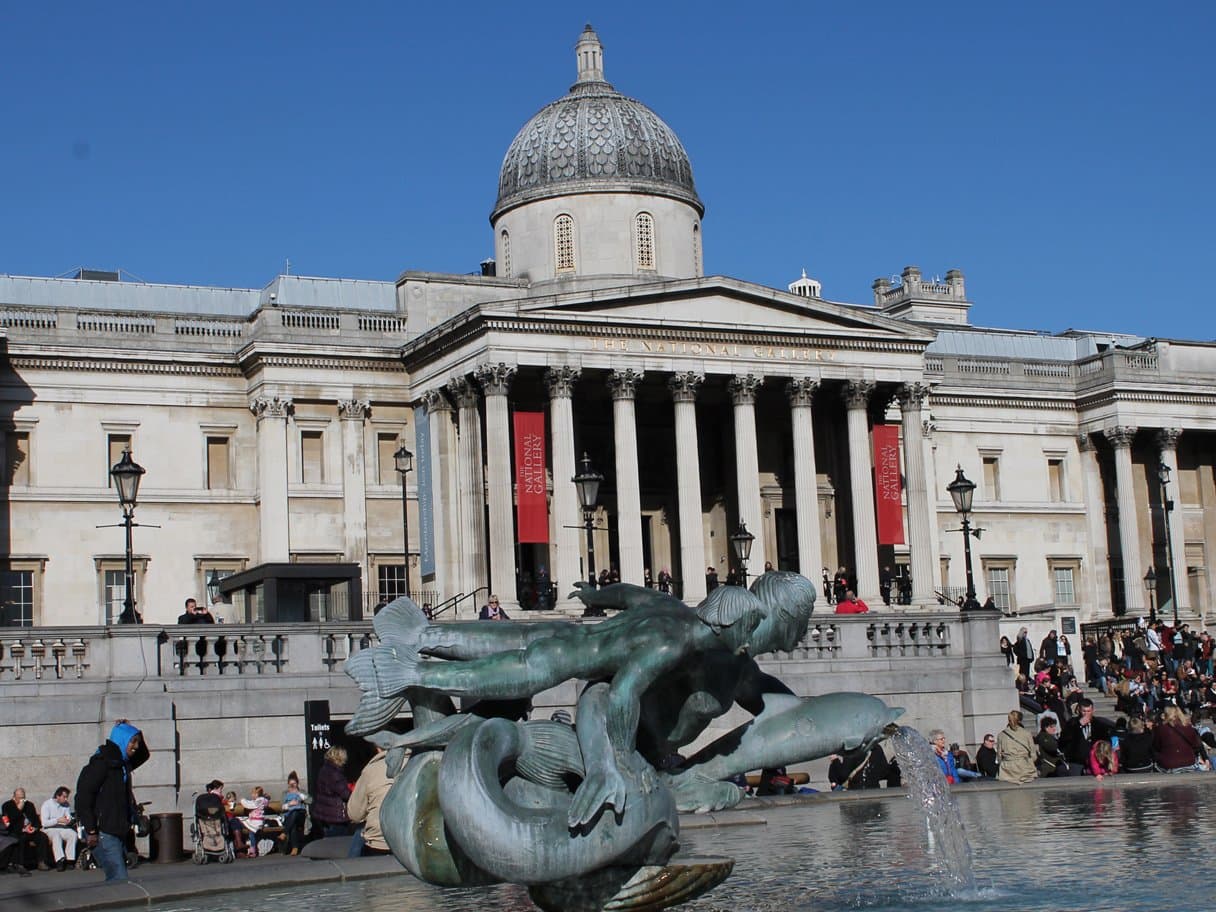
Curious About Trafalgar Square
 Adventure
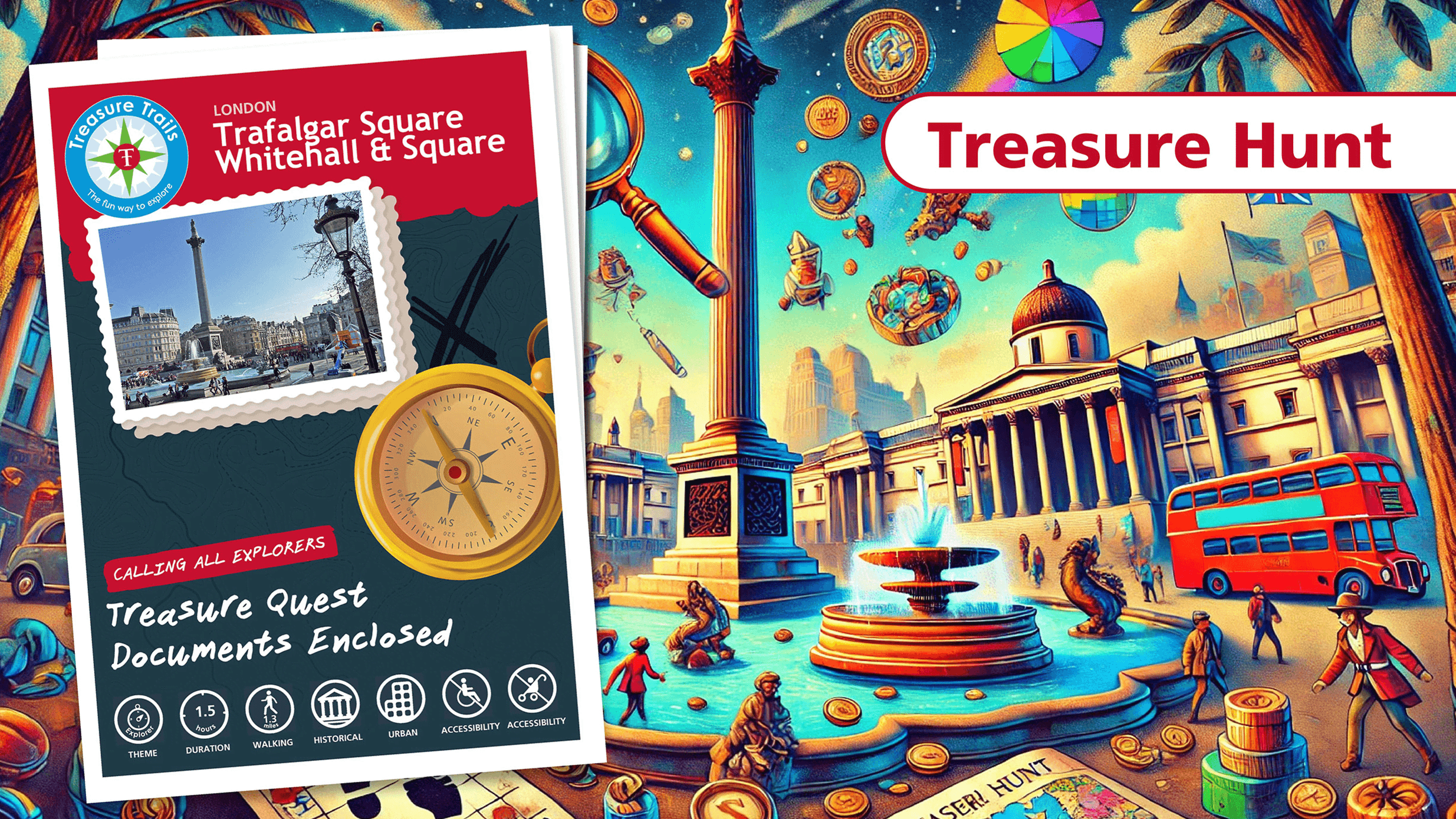
The Trafalgar Square Treasure Hunt Trail
 Sightseeing
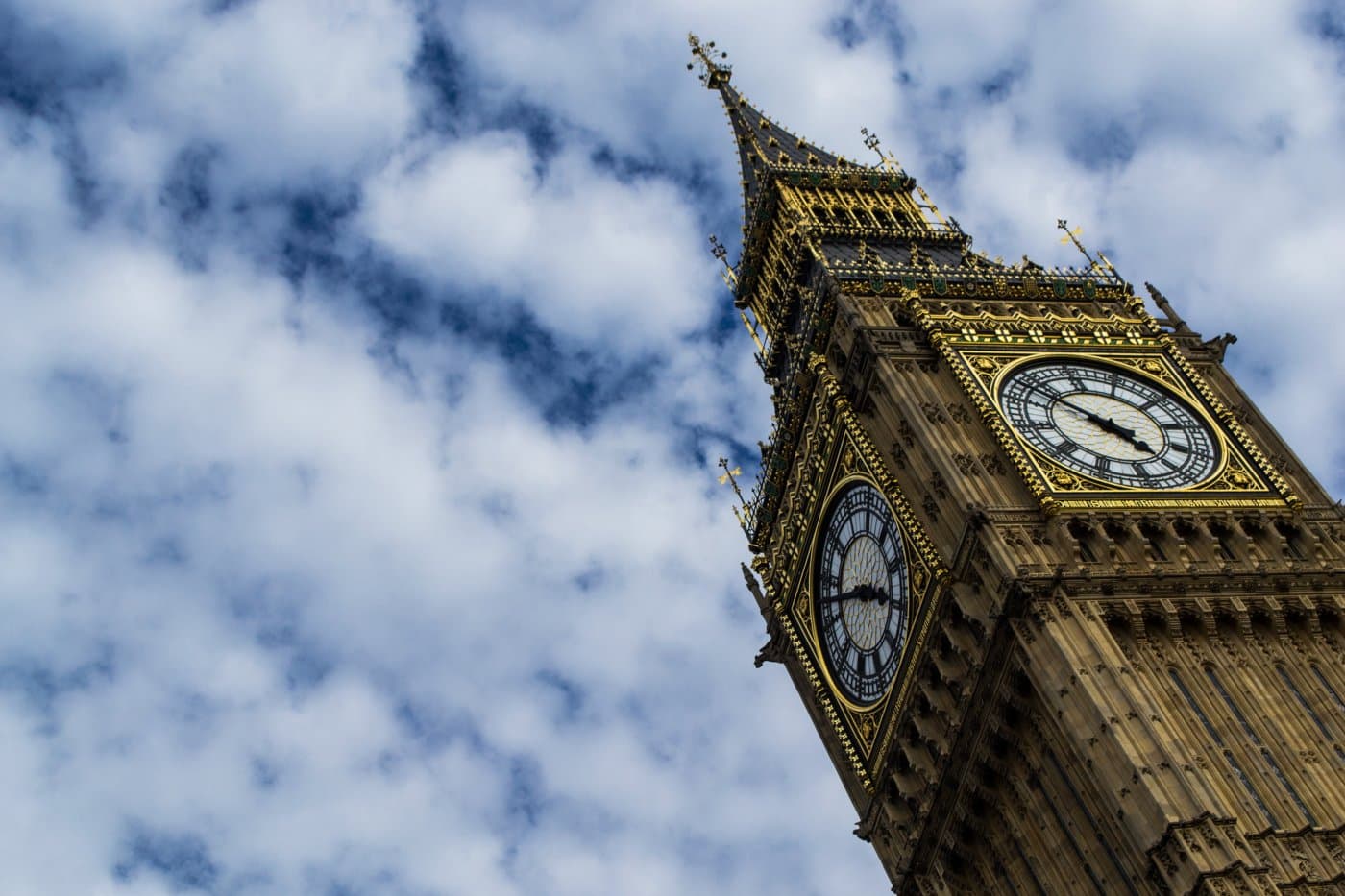
Big Ben
 Sightseeing
Madame Tussauds
 Sightseeing
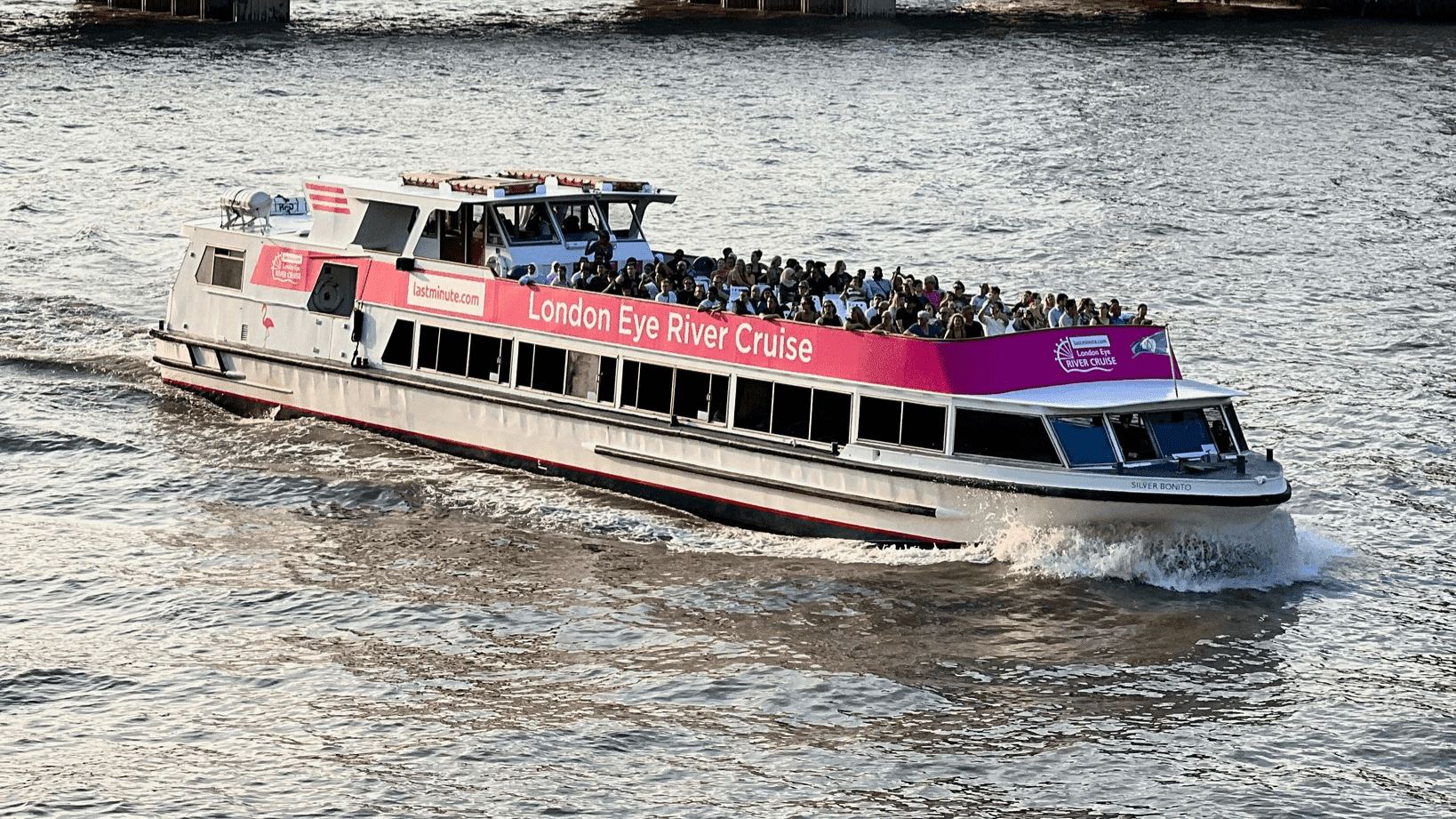
The London Eye River Cruise
 Sightseeing
Sky Garden
 Parks and Playgrounds
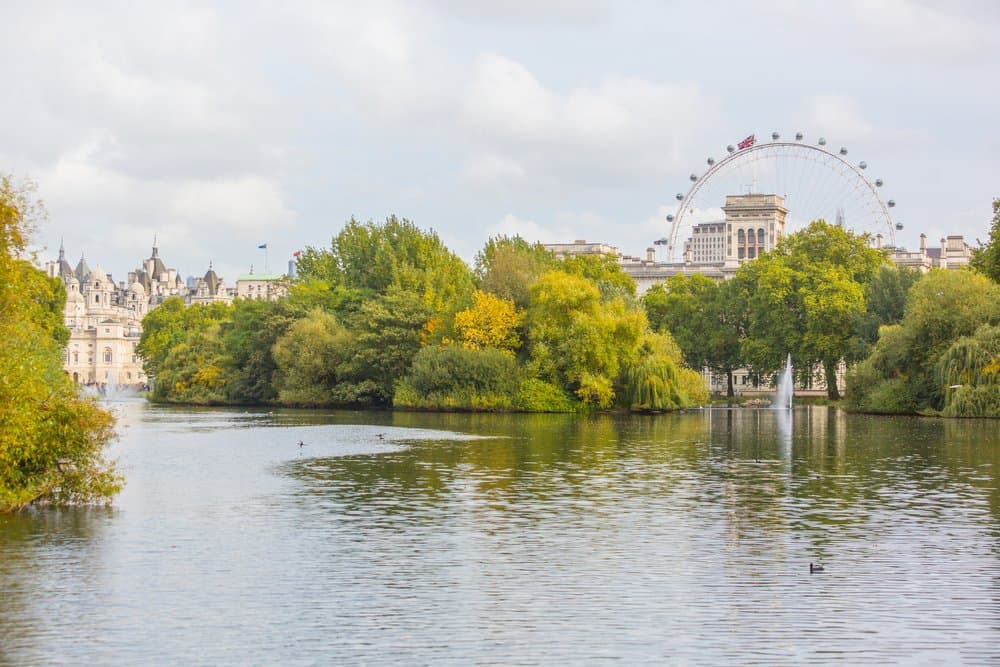
St James Park
The best sightseeing days are when your family is exploring somewhere with real character—a harbour, a historic town, a heritage site—and the attractions enhance that exploration rather than interrupt it. Your kids remember the place, not just the venue. That's what makes UK sightseeing work: location, character, and genuine things to do are woven together.
Sightseeing in the UK: FAQs
What's the difference between sightseeing attractions and other types?
Sightseeing attractions emphasise location and discovery—you're seeing a place, learning about it, and the activities support that. Think heritage railways showing how people travelled, miniature trains letting kids experience a landscape from a different perspective, or treasure trails built into historic town centres. It's the distinction between "we went to an activity centre" and "we explored a coastal town and had adventures there". Many sightseeing spots sit in genuinely interesting locations—beaches, villages, historic areas—so the day combines place-discovery with structured activities. That's different from indoor play centres or sports venues, which work anywhere and wouldn't feel fundamentally different in a different location.
What are the most popular UK sightseeing experiences?
Treasure trails and mystery trails are hugely popular because they combine exploration with family-friendly challenge. Heritage railways like steam trains offer a genuinely different experience—your family rides a working heritage line, learning history through an actual journey. Miniature train rides (Dotto Mini Train and similar) let kids experience a landscape from a moving perspective. Historic town-centre attractions and interactive museums also feature. Coastal sightseeing is strong: beaches, piers, and seafront exploration. What ties them together is that you're experiencing a real place while doing something, not just turning up to a venue that could be anywhere.
How do you combine multiple sightseeing attractions into one day?
Most sightseeing spots sit in actual towns and villages, so you can build a day around a location. Start with a heritage railway or scenic train ride, explore the town centre (maybe via a treasure trail), grab food locally, and visit other attractions in the area. Because three-quarters of sightseeing attractions are outdoors, many days naturally combine walking exploration with specific activities. A coastal day might include the beach, a pier experience, and a seafront trail. A heritage town day might weave together a railway journey, a museum, and a treasure hunt through historic streets. This geographical clustering makes sightseeing days feel like genuine local exploration, not venue-hopping.
What's best for families with kids of different ages?
Sightseeing's breadth means there's usually something for mixed-age families. Treasure trails often work for ages 5–15 with the right difficulty level—younger kids enjoy the discovery, older kids the puzzle-solving. Heritage railways engage everyone: toddlers love trains, older kids enjoy the history. Beach and coastal sightseeing works across ages—climbing rocks, paddling, exploring appeals to different age groups simultaneously. Museums vary hugely in kid-friendliness; check individual attractions. The key is looking for sightseeing experiences where the *location* is interesting to everyone, and then finding activities suited to different ages happening in that place. That's when mixed-age days work best.