Category × County
14 Best Museums In Oxfordshire
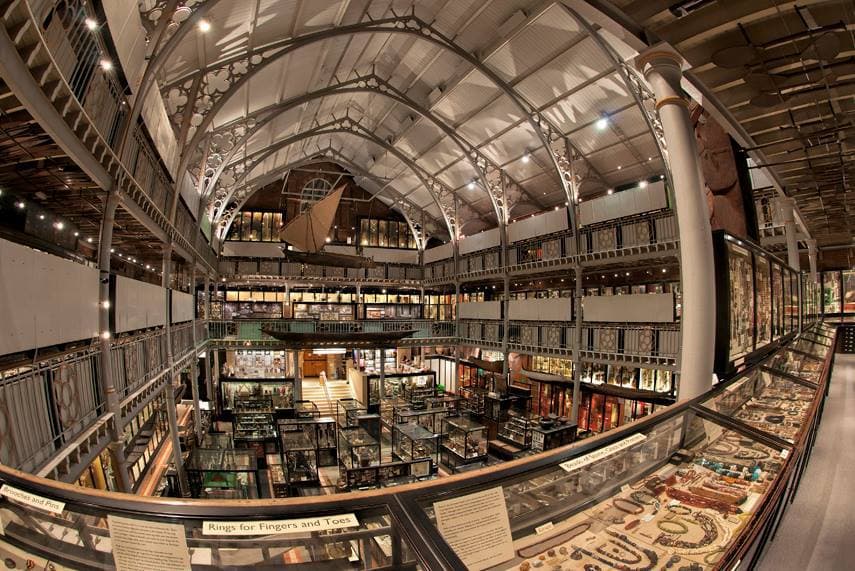
Oxford University Museum of Natural History and The Pitt Rivers Museum are the two entries on this list that families most often end up choosing between, and the two have almost nothing in common. One is skeletons under a high glass roof, open floor, easy sightlines. The other is dense and dim, thousands of objects packed into cases and grouped by what they are rather than where in the world they came from. Small children usually take to the first at once and find the second a lot to handle. Children of nine or ten often flip that round entirely, because the second rewards the sort of looking the first does not require.
Top museums in Oxfordshire
Showing 1–12 of 14
 Museums
Oxford University Museum of Natural History
 Museums
The Pitt Rivers Museum
 Museums
Soldiers of Oxfordshire Museum
 Museums
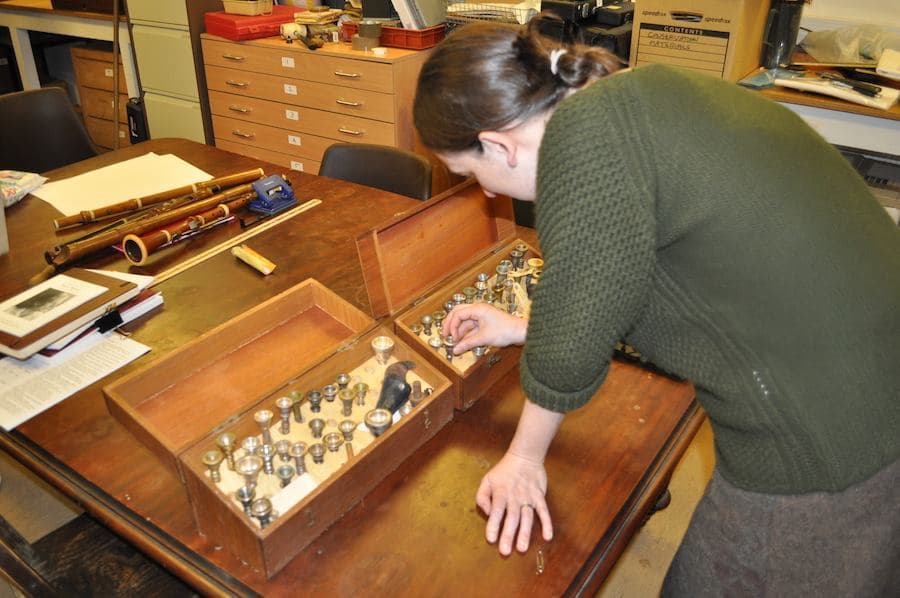
Bates Collection of Musical Instruments
 Museums
The Ashmolean Museum
 Museums
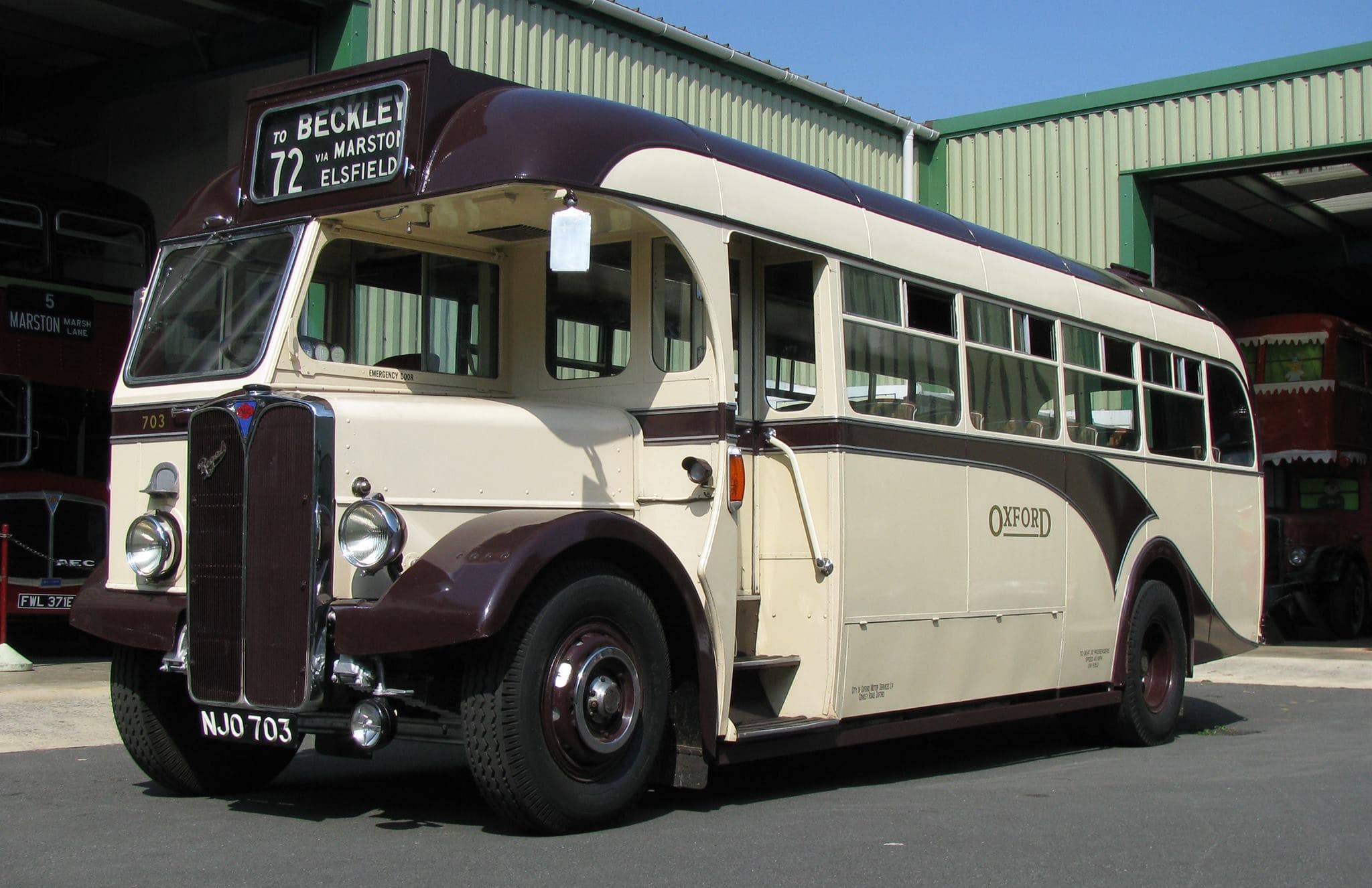
Oxford Bus Museum and Morris Museum
 Museums
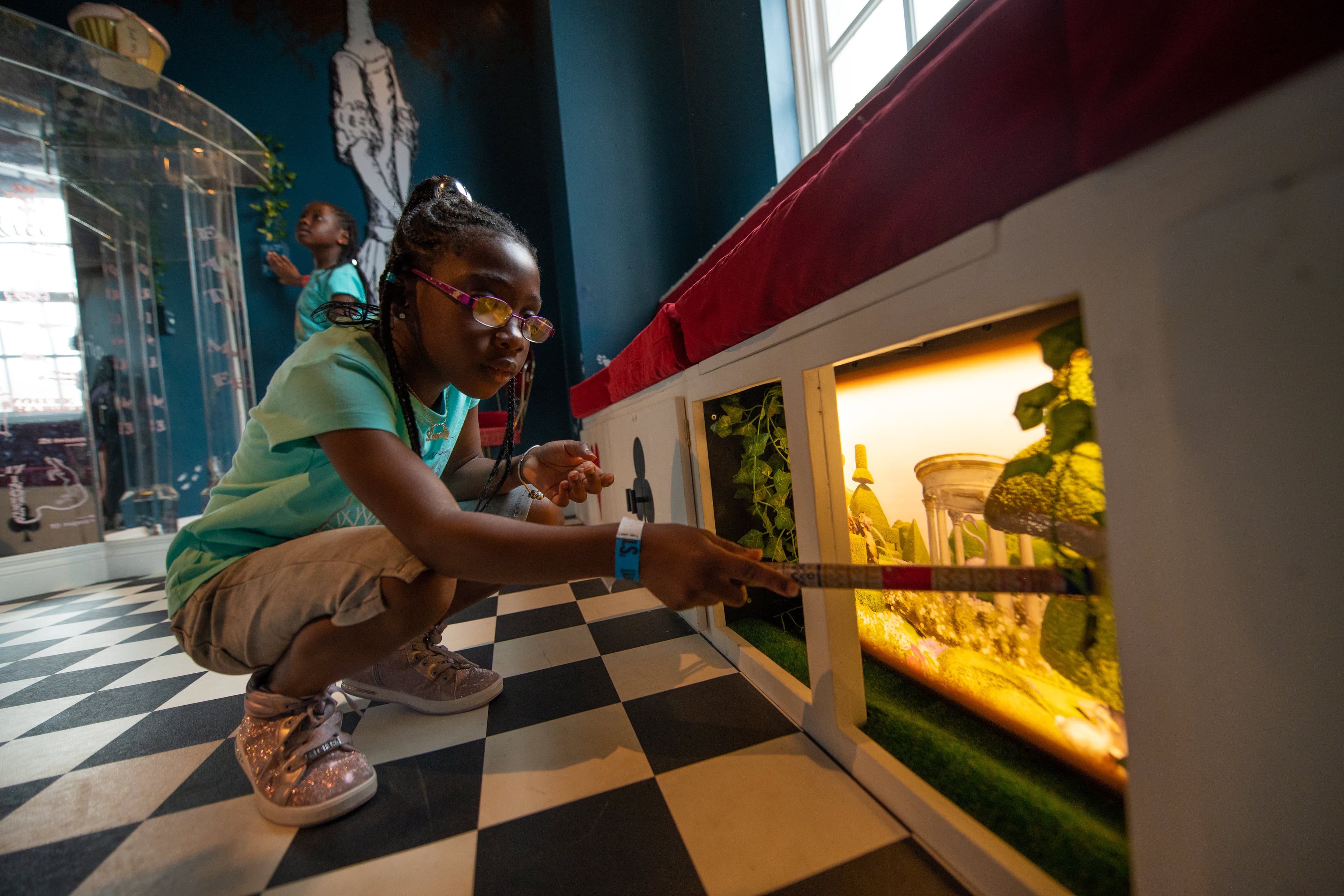
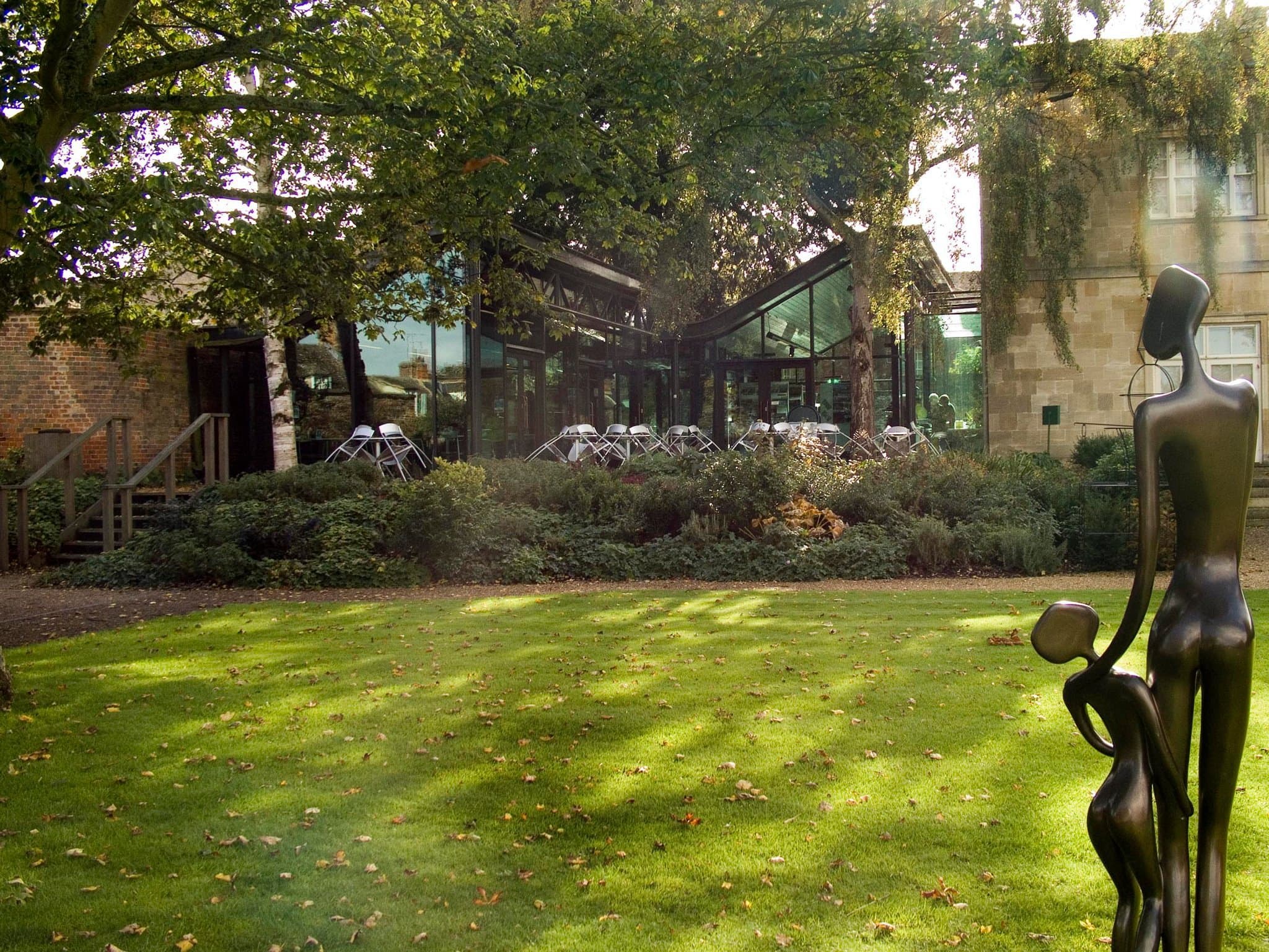
The Story Museum
 Museums
The Oxfordshire Museum
 Museums
River & Rowing Museum
 Museums
Banbury Museum & Gallery
 Museums
Museum of Oxford
 Museums
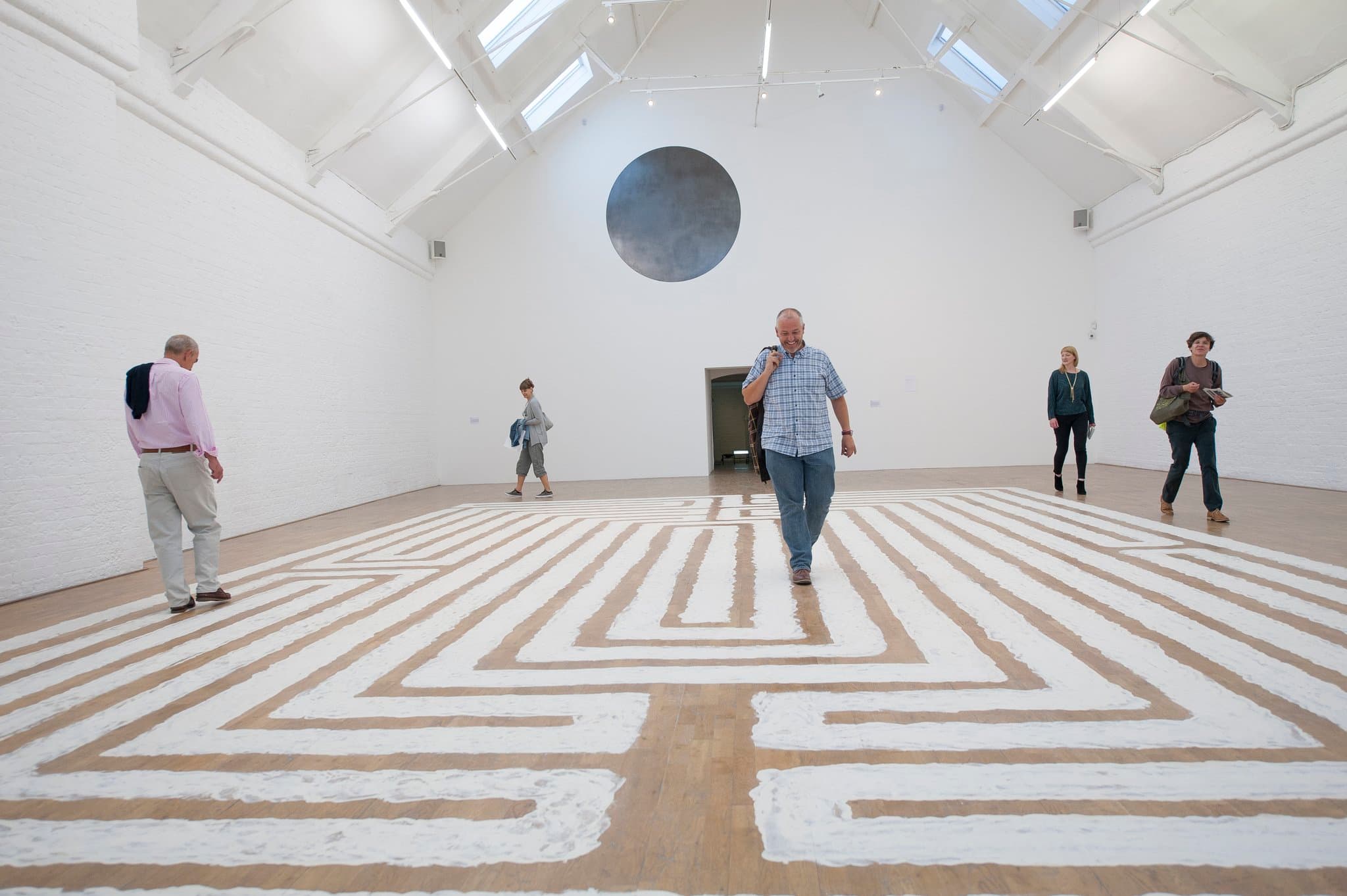
Modern Art Oxford
Fourteen museums, and every one of them carries an indoor flag, which is unusual and makes this the strongest county in our records for a day that has to happen under a roof. The Ashmolean Museum is the big general collection. The Story Museum works on children directly rather than asking them to file past things. The Oxfordshire Museum, Soldiers of Oxfordshire Museum, Oxford Bus Museum and Morris Museum and Bates Collection of Musical Instruments are the narrower ones, and narrow is a virtue when a child already cares about the subject.
Museums in Oxfordshire: FAQs
With a five-year-old, which of the two comes first?
Natural history. Large skeletons in a big open room ask nothing of a five-year-old except that they look up, and there is room to move without knocking into a case. The denser museum is better saved for a child who has learned to hunt through a display rather than glance at it, which tends to arrive somewhere around eight or nine. Doing them in the wrong order usually produces a short, fractious visit and a firm opinion about museums that lasts for years.
What sort of museum is The Story Museum?
The name gives you the subject and our record adds only that it is indoors and well liked. What it plainly is not is a collection you walk past, which makes it the odd one on a list otherwise full of objects in cases. If your child is the sort who narrates their own games and would rather be inside a story than told about one, this is the one on the list written for them. If they came for dinosaurs, it will not scratch that itch at all.
Are the small specialist museums worth a special journey?
Only if the subject is already a live interest at home. Musical instruments, buses and regimental history are wonderful when a child arrives wanting them and a long, quiet corridor when they do not. The advantage of a narrow museum is that it is honest about what it holds, so nobody is surprised. Use them as the second stop on a day, or as the whole of a short one, rather than expecting them to fill an afternoon on their own.
Can we build a whole wet day out of this list?
Better here than almost anywhere. Every one of the fourteen records indoor space and only one carries an outdoor flag at all, so a day of proper rain does not force a change of plan. The trap is stacking two big collections back to back, which exhausts children faster than any amount of walking. One large museum in the morning and one small, specific one afterwards is the pattern that survives contact with a tired family.