Category × County
92 Best Museums In Greater London
Ninety-two museums is too many to choose from by subject, and most parents who try end up defaulting to the same three names. Sorting by the age of the child works far better. Under five, you want objects at eye level, room to move and no expectation of quiet: Royal Air Force Museum London and The Musical Museum hold that age because the things in them are big or make a noise. From about seven, subject starts to matter and The National Gallery, Tate Britain and The Wallace Collection become possible rather than punishing. Seven of the ninety-two show a zero where admission would sit, The House of MinaLima among them.
Top museums in Greater London
Showing 1–12 of 92
 Museums
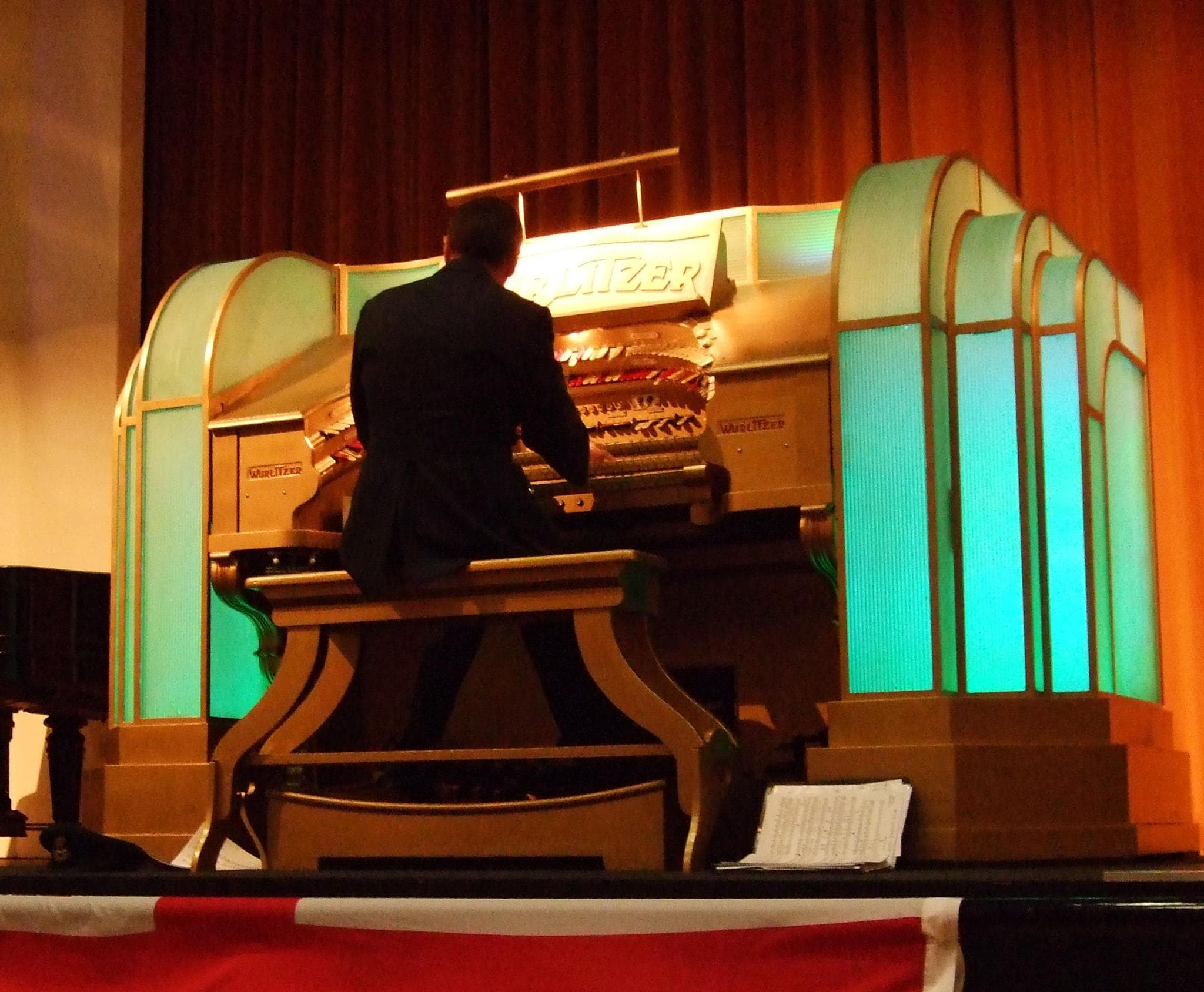
The Musical Museum
 Museums
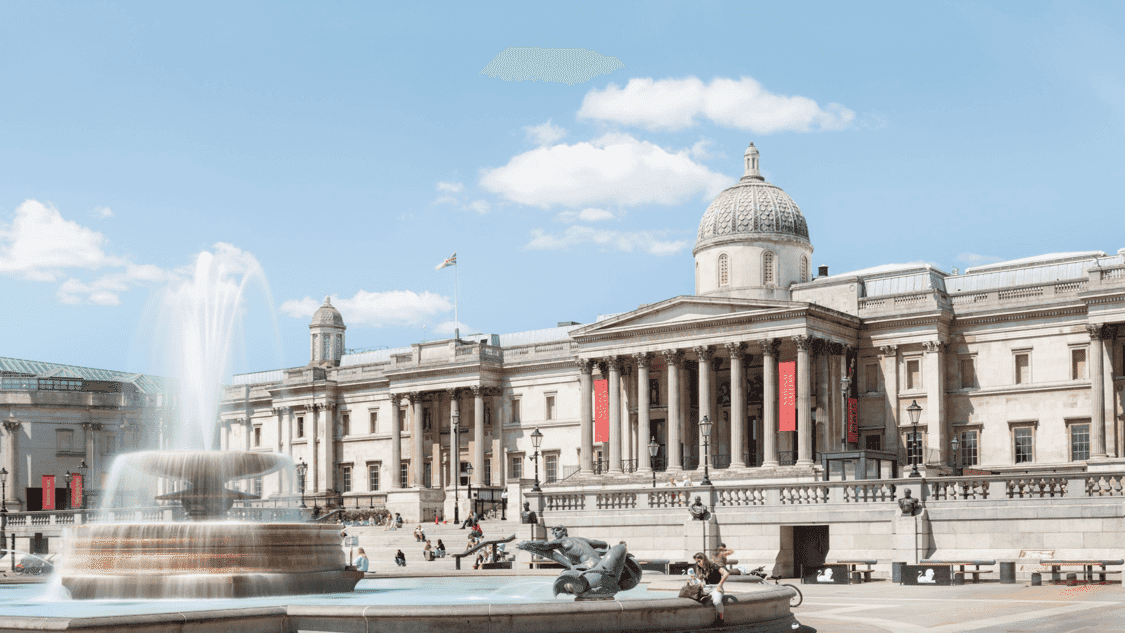
The National Gallery
 Sightseeing
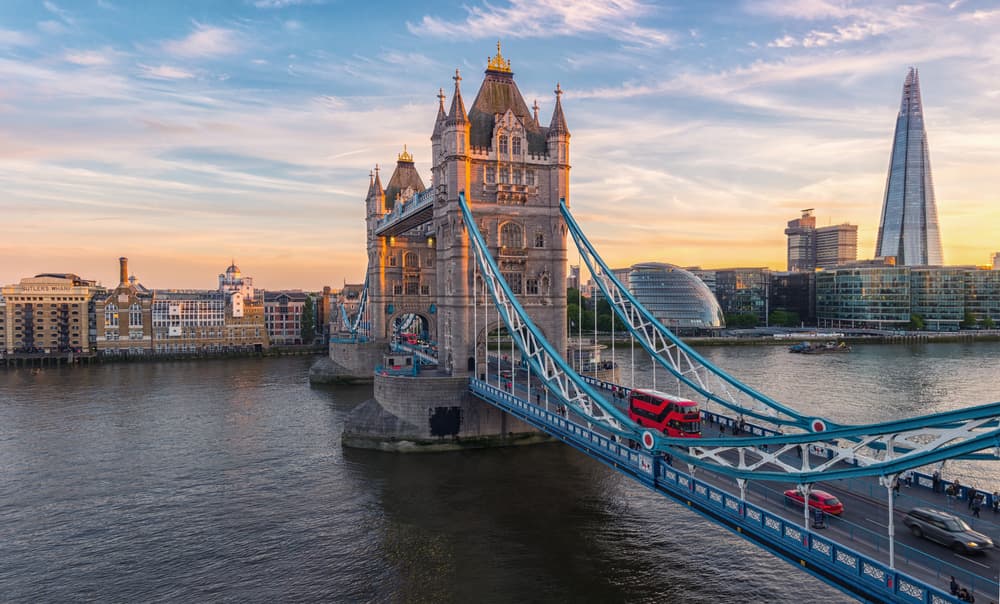
Tower Bridge
 Museums
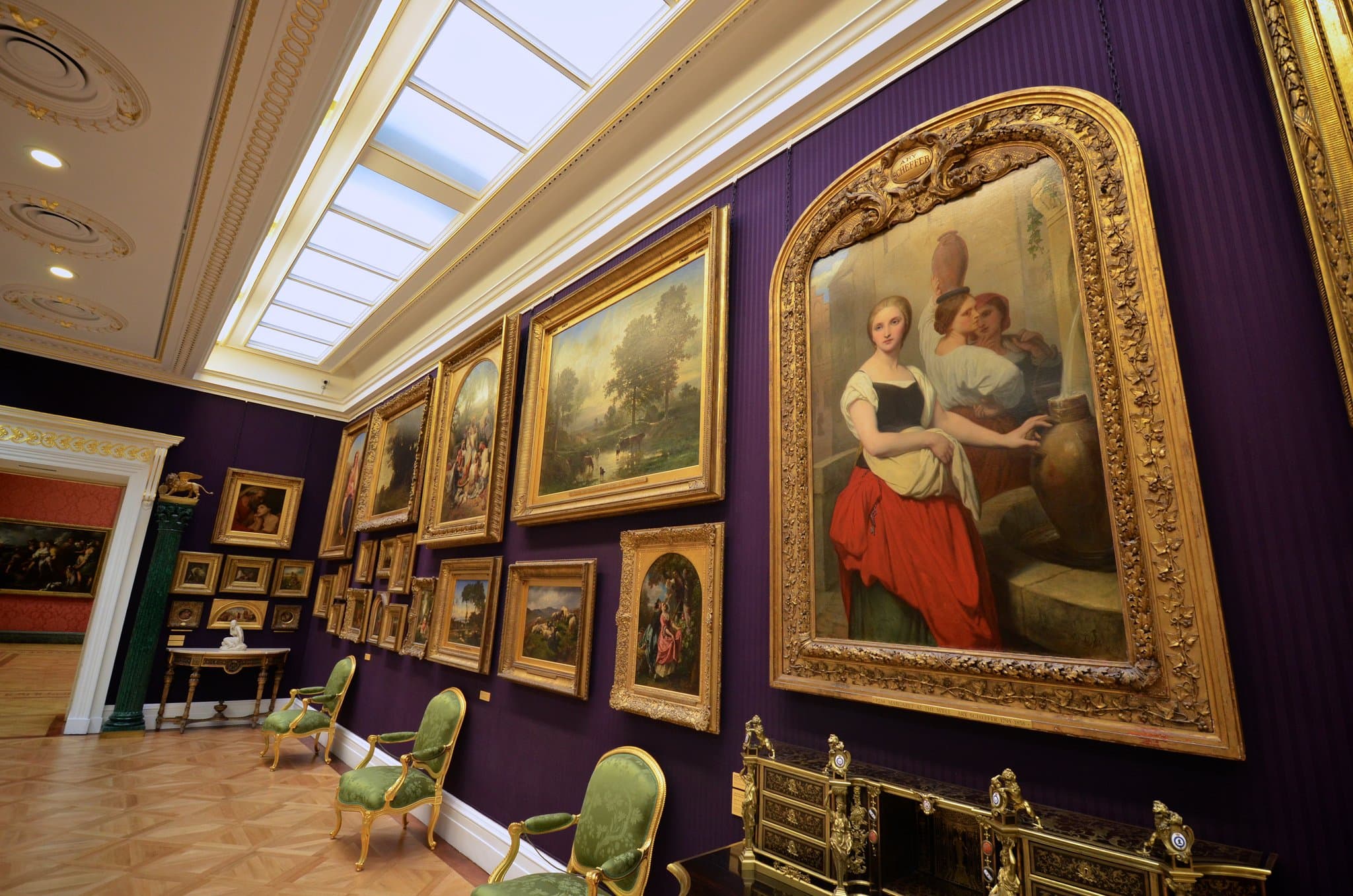
The Wallace Collection
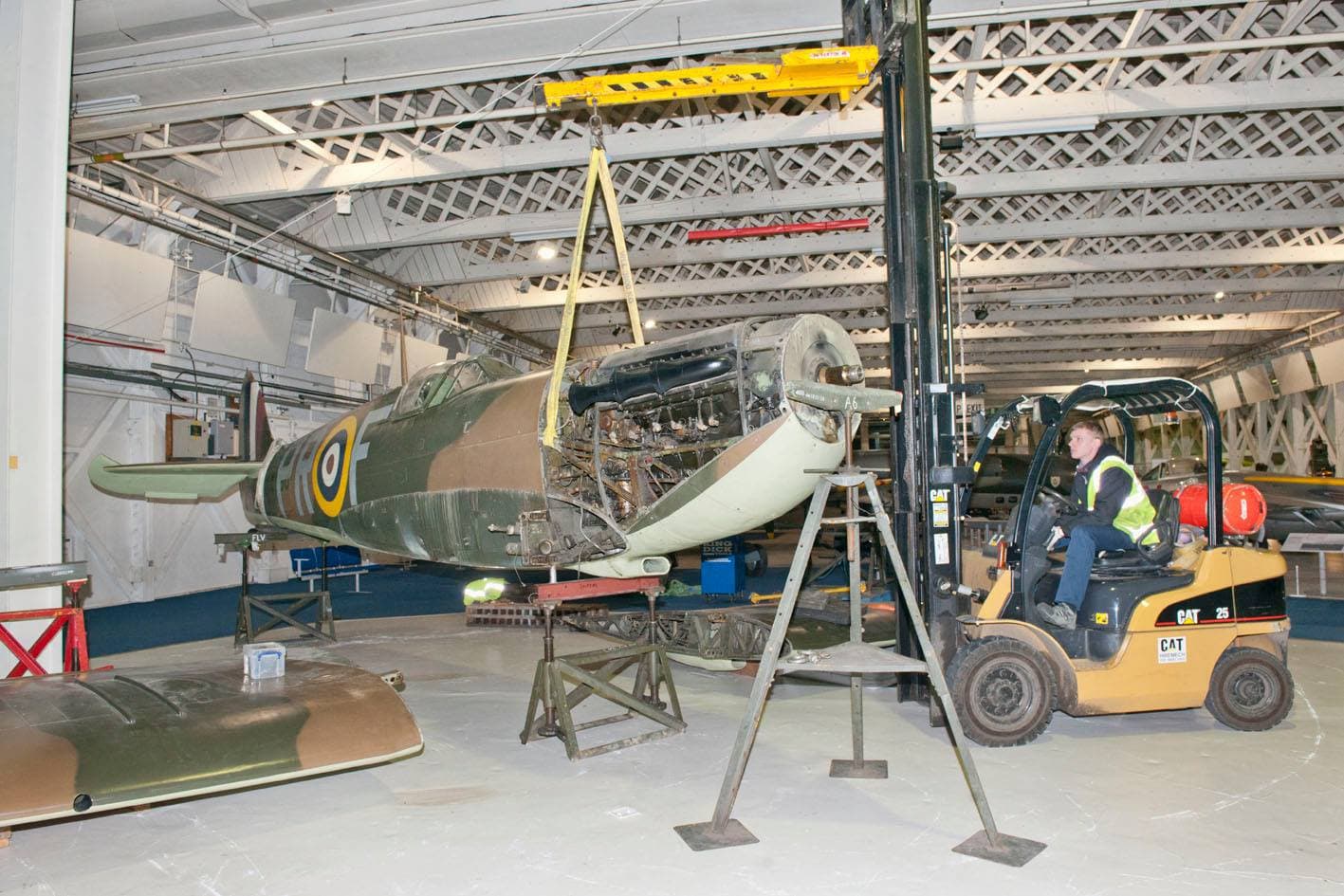 Museums
Royal Air Force Museum London
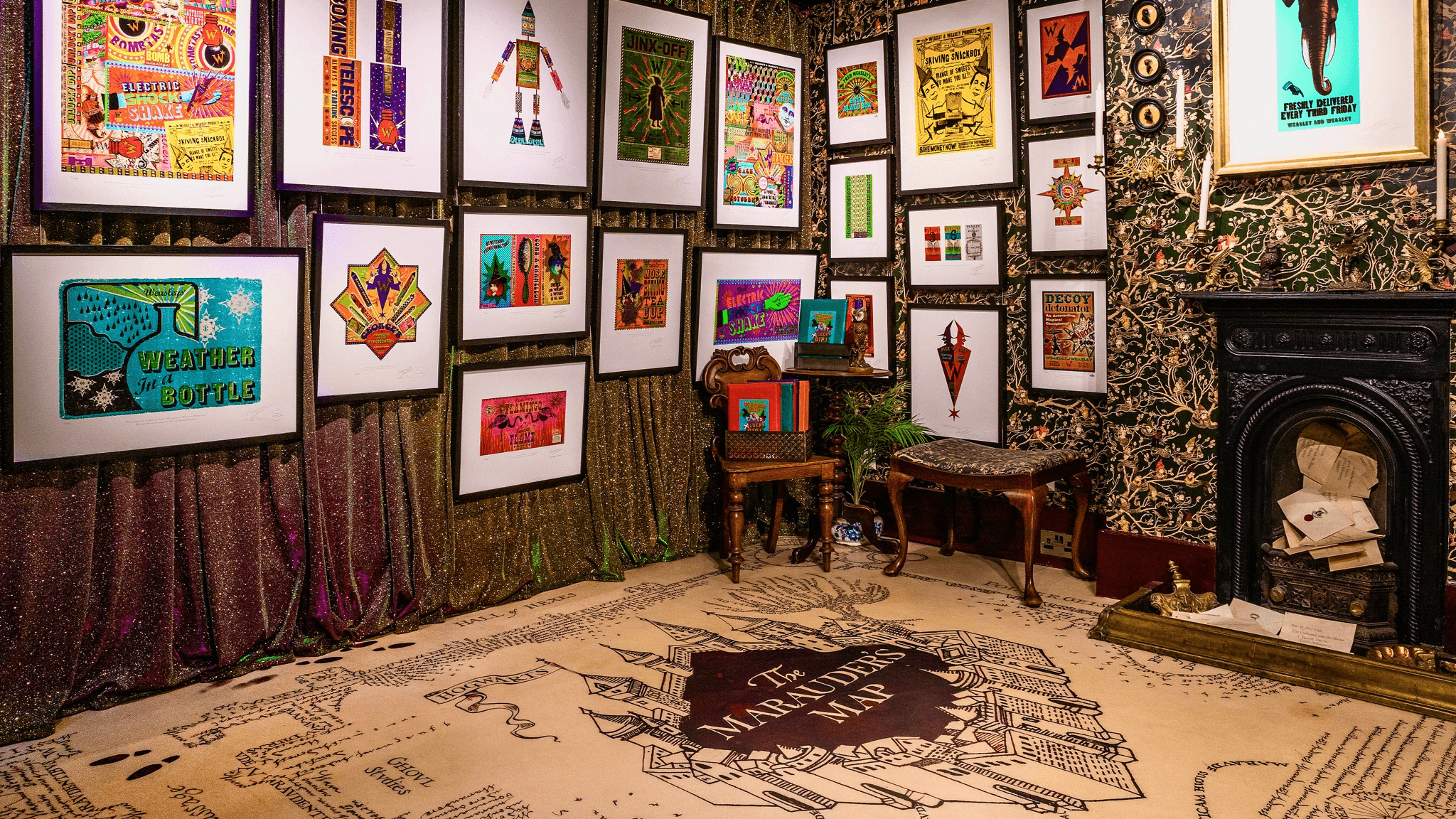 Museums
The House of MinaLima
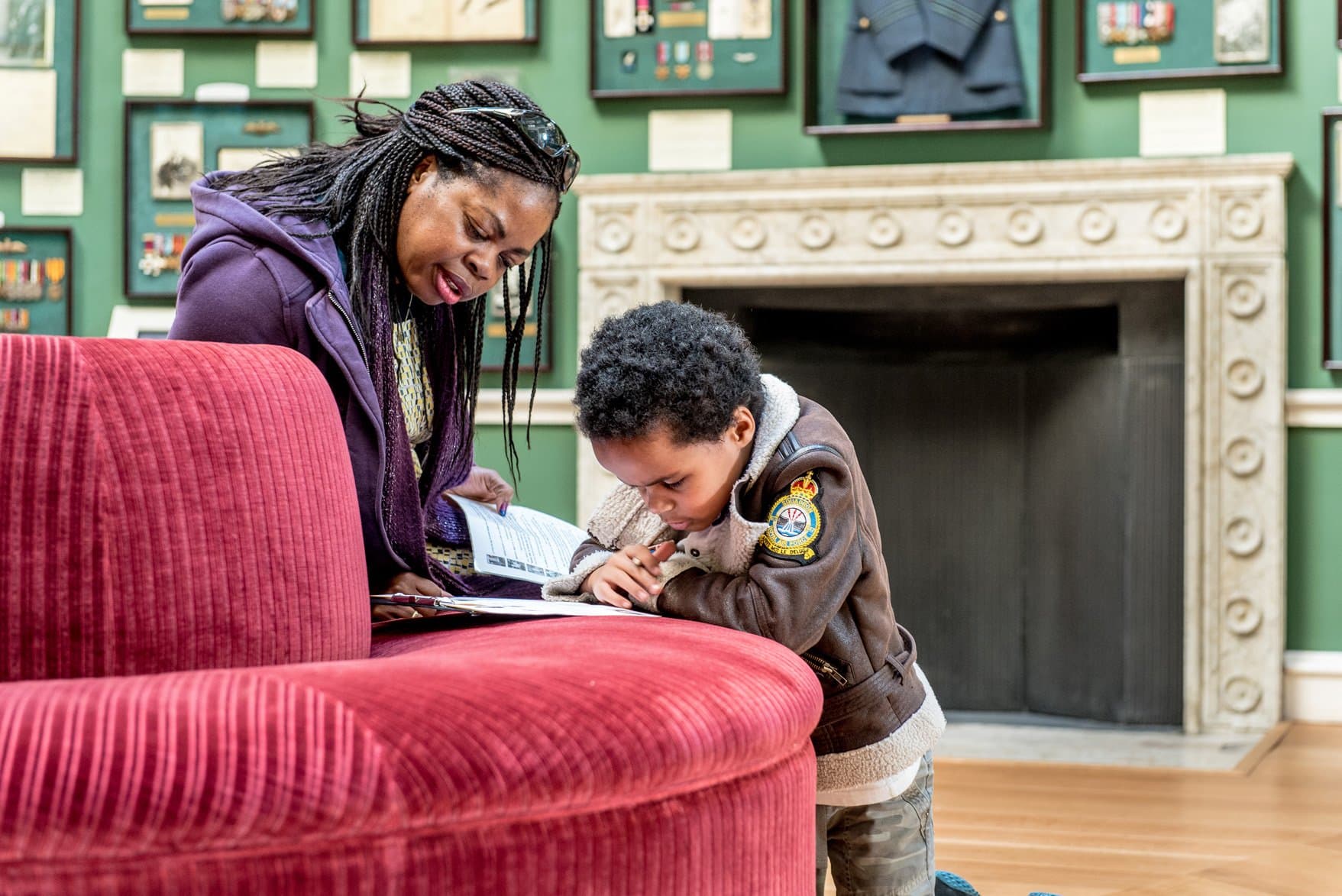 Museums
Bentley Priory Museum
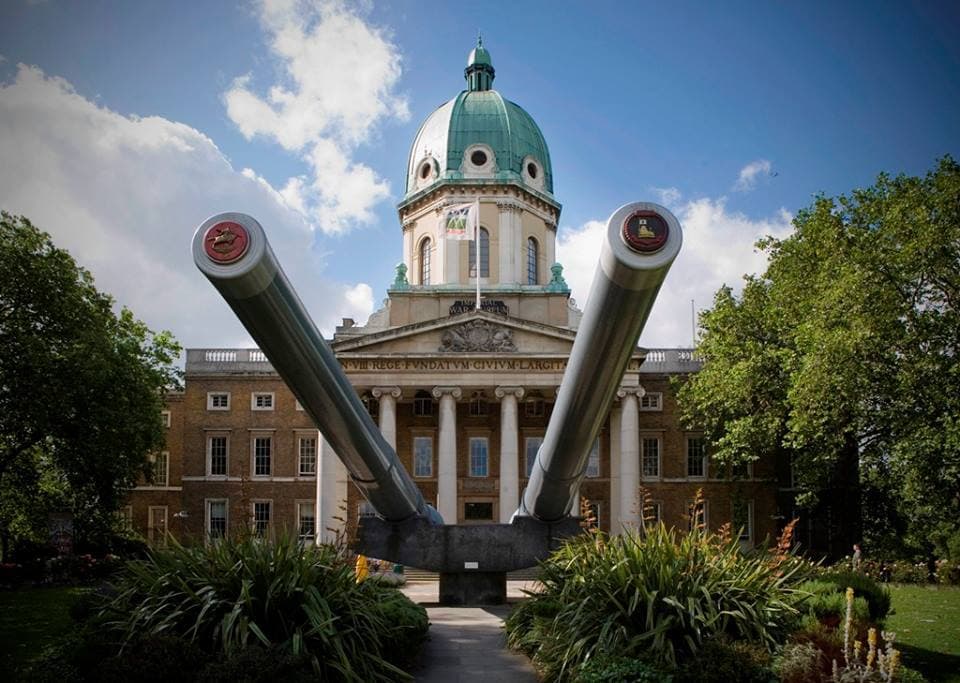 Museums
Churchill War Rooms
 Museums
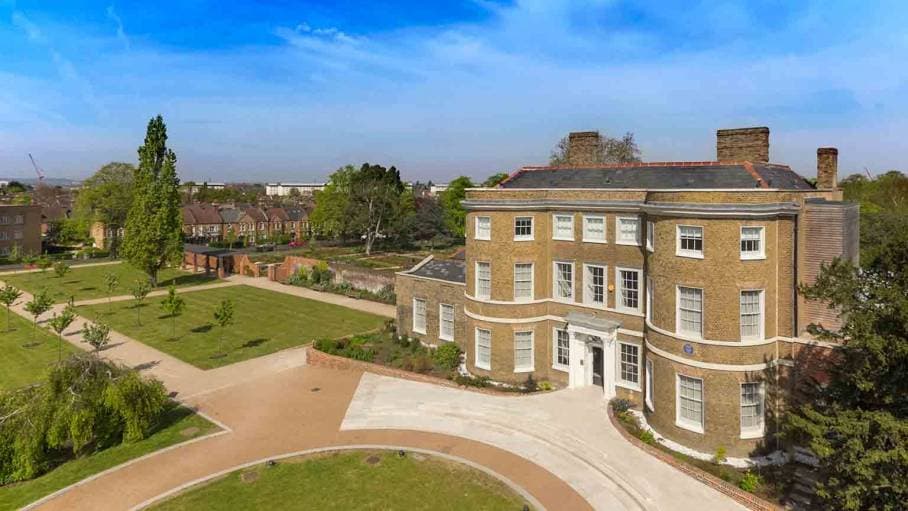
William Morris Gallery
 Museums
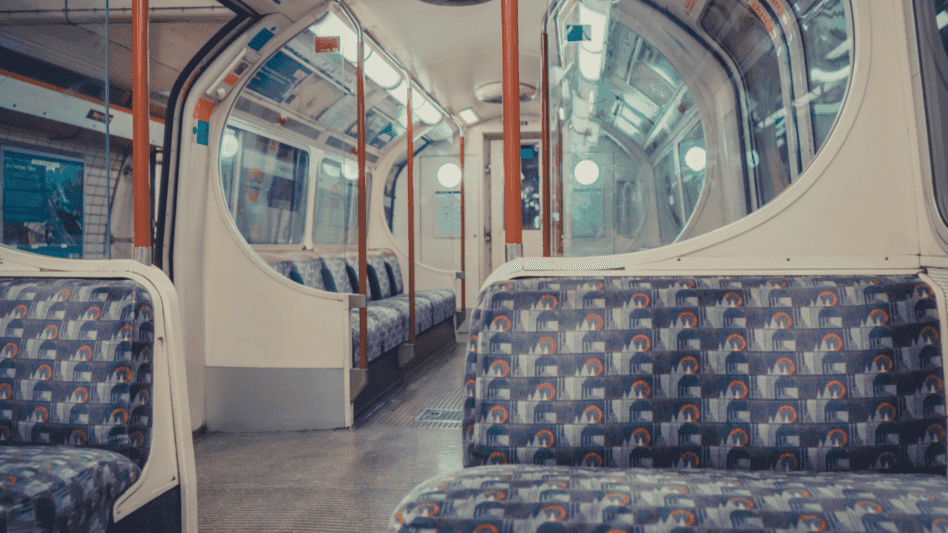
Walthamstow Pumphouse Museum
 Museums
Frameless London
 Sightseeing
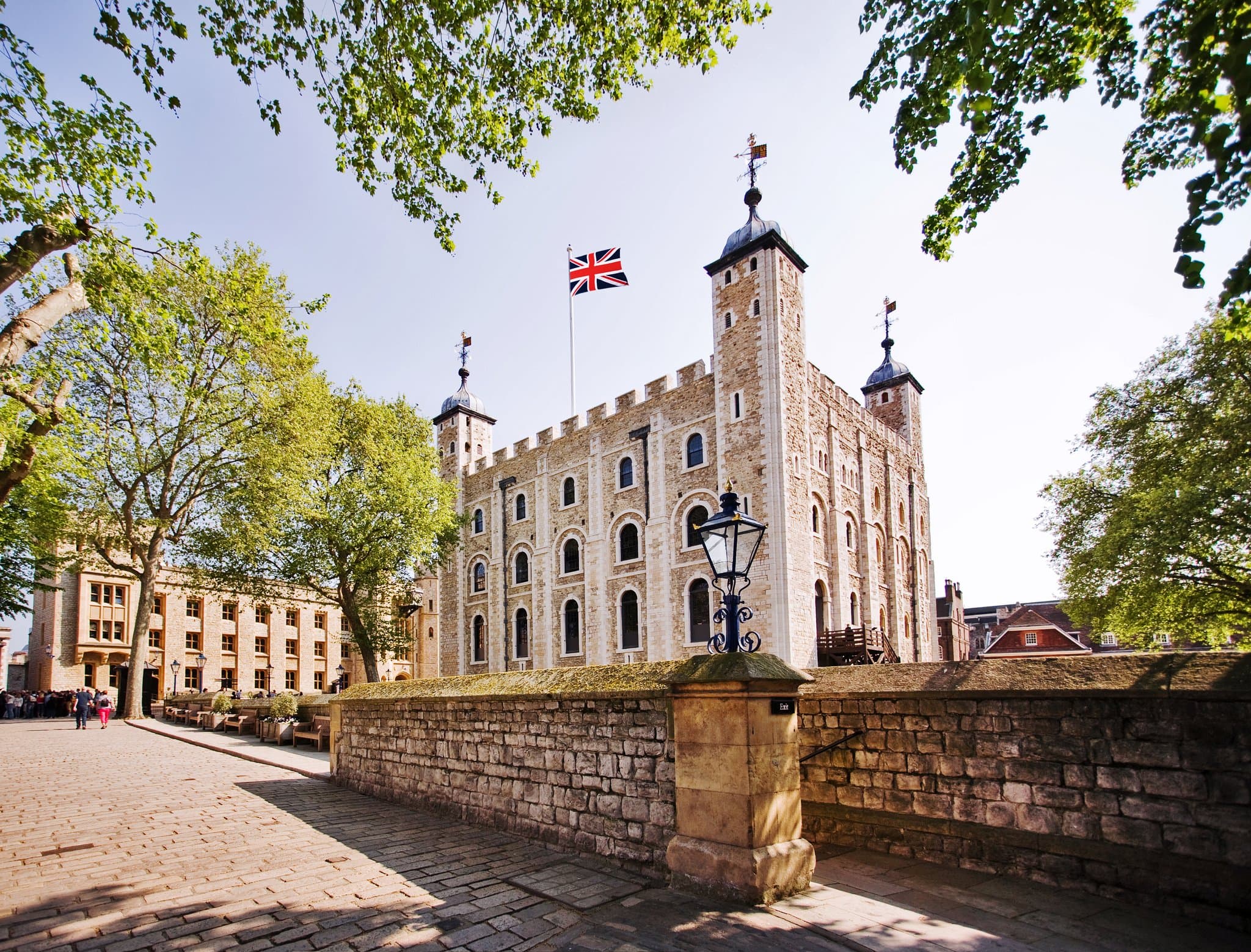
Tower of London
Ninety of the ninety-two are flagged as indoor, which is what makes this category London's default wet-day answer. Use it as one. An hour in a museum with a small child, ending while everybody is still enjoying it, beats three hours that finish in a corridor with someone crying about a gift shop.
Museums in Greater London: FAQs
How long should a museum visit be with a four-year-old?
Between forty-five minutes and an hour and a half, and pick one gallery instead of attempting the whole building. Small children have a fixed budget of attention and spending it on the walk between rooms is waste. Choose two or three things to find, treat everything else as optional, and leave before the meltdown rather than after it. Coming back a second time is always possible, and at the sites logged with a zero on the door it costs nothing but the journey.
Which London museums suit a teenager who is not interested in museums?
Ones where the building is the exhibit. This category holds Tower of London and Tower Bridge, and each hands a fourteen-year-old something to walk through and photograph instead of something to read about. Single-subject collections work too when the subject is theirs. What rarely works is a general survey museum chosen because it seemed educational; that is the visit teenagers remember badly.
Why are landmarks like a bridge and a fortress listed as museums?
Both carry sightseeing as their primary category in our data while appearing under this heading, which is an overlap rather than a mistake. It is worth knowing because it changes what to expect: these are sites with queues, timed entry and a lot of walking, closer to an attraction visit than to a quiet gallery. Plan them like a day out rather than like an hour indoors.
Can we manage a big museum with a baby?
Usually yes, and often more easily than with a four-year-old. A baby in a carrier or a pushchair will sleep through a gallery, the buildings are warm, and most large museums have changing facilities and lifts as standard. The constraints are cloakroom rules on large buggies and the pace set by any older siblings. Go early in the day, when the galleries are quietest and everyone is still fresh.
Thirty-four of these have outdoor space. Does that help?
It helps a great deal with children, because somewhere to go outside for ten minutes is what makes a long indoor visit survivable. A courtyard, a garden or a terrace lets a five-year-old make noise and run, then go back in ready for another gallery. When you are shortlisting for a young family, an outdoor space on site is a more useful filter than the size of the collection.