Category
382 Best Children's Farms In The UK
What draws children to farms isn't the fields or the business of agriculture — it's the chance to touch, feed, and interact directly with animals. The UK has 380 children's farms and farm-based attractions, spread across cities, countryside, and everything in between, offering hands-on encounters that most kids never forget. Venues like Piggy Pet and Play, The Pumpkin Field, and Alpaca Experience with Cream Tea exemplify the hands-on philosophy — combine hands-on encounters with seasonal highlights like pumpkin picking in autumn or spring lambing experiences, animal handling, or simply letting children help out with feeding time. The majority are outdoor spaces where children can run freely, though many have indoor areas or barn spaces for when weather turns poor.
Showing 1–12 of 382
 Sightseeing
Chatsworth
 Parks and Playgrounds
Heaton Park
 Children's Farms
The London Pass
 Children's Farms
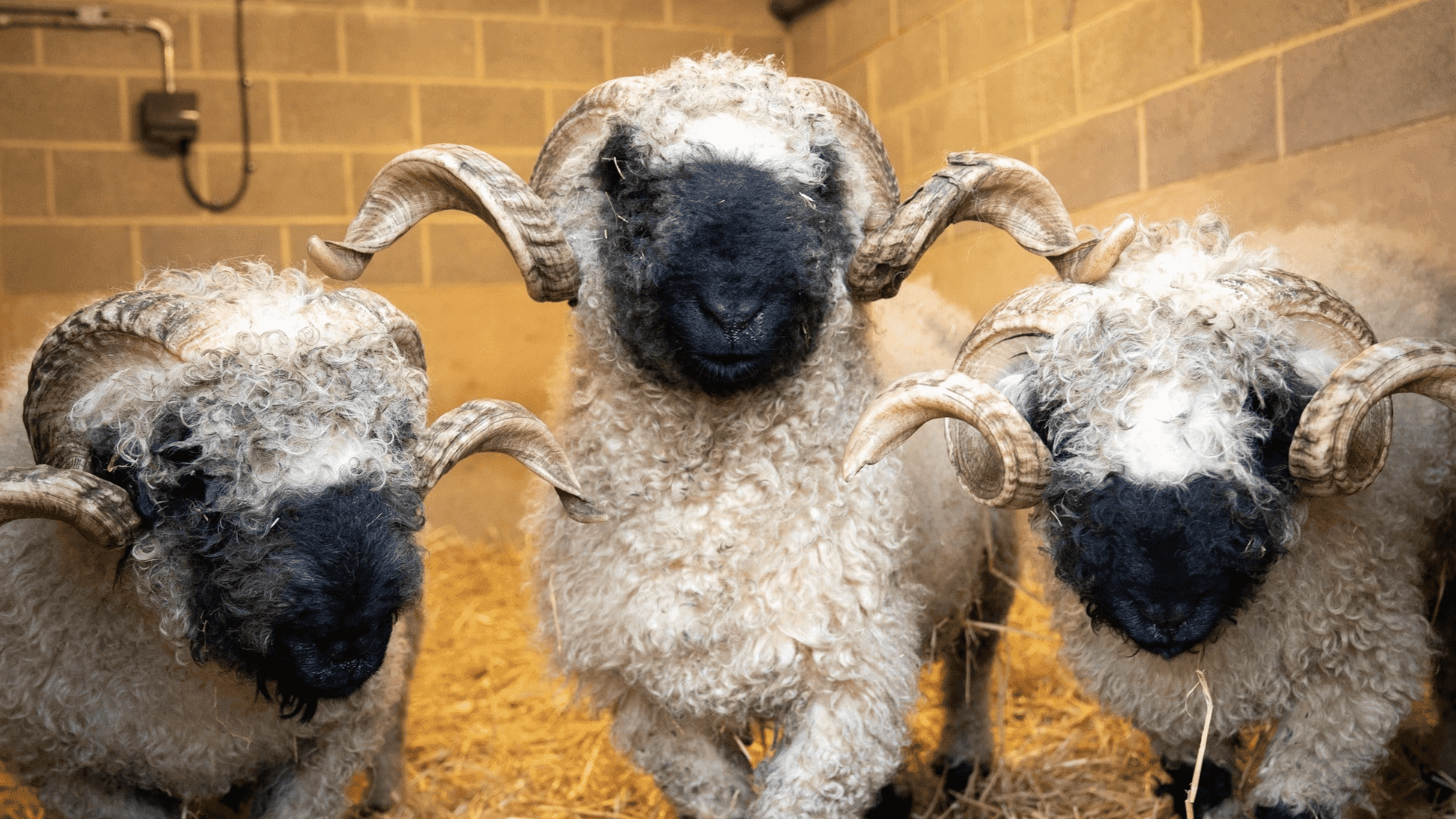
Cannon Hall Farm
 Children's Farms
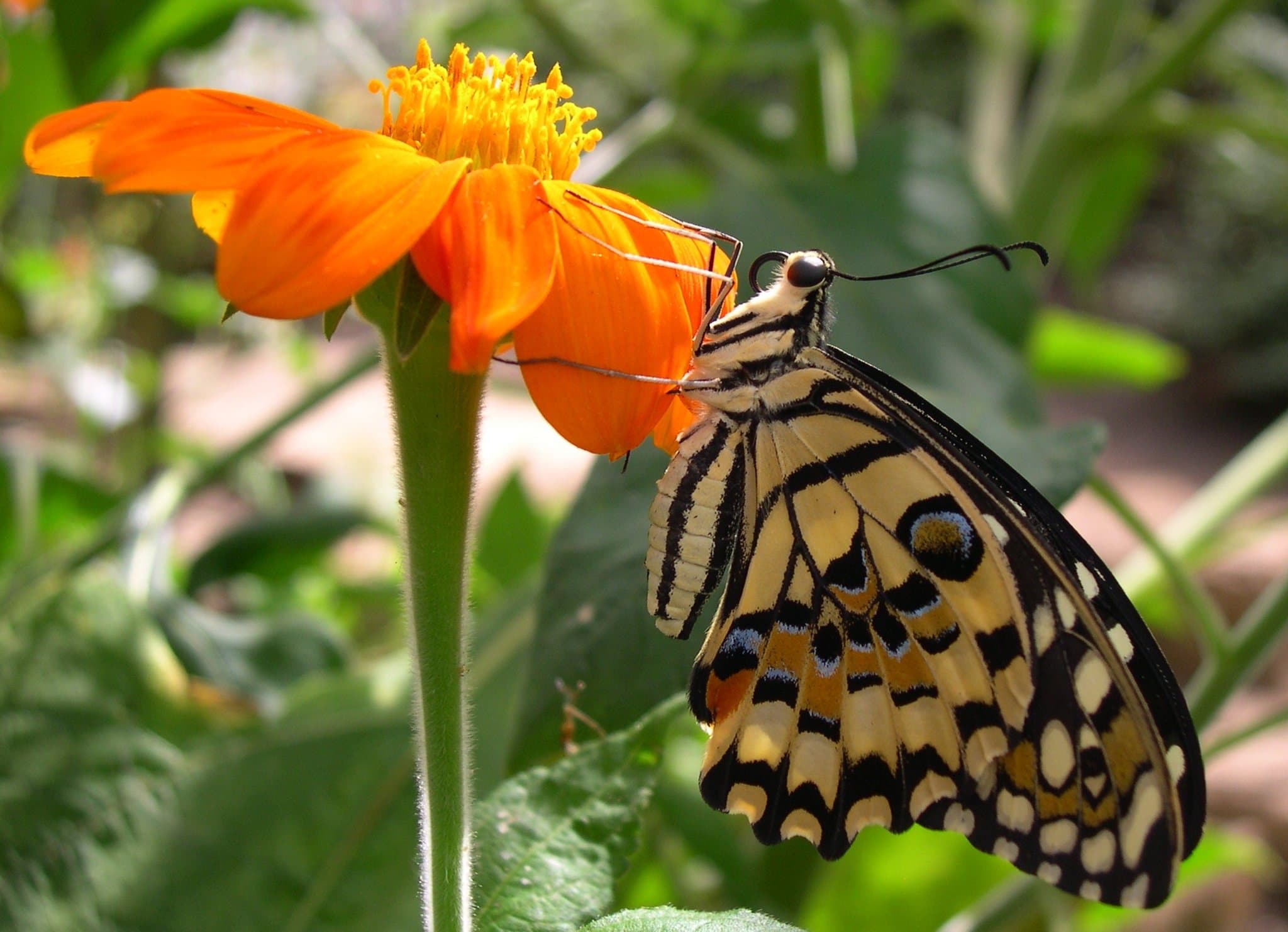
Stratford Butterfly Farm
 Sightseeing
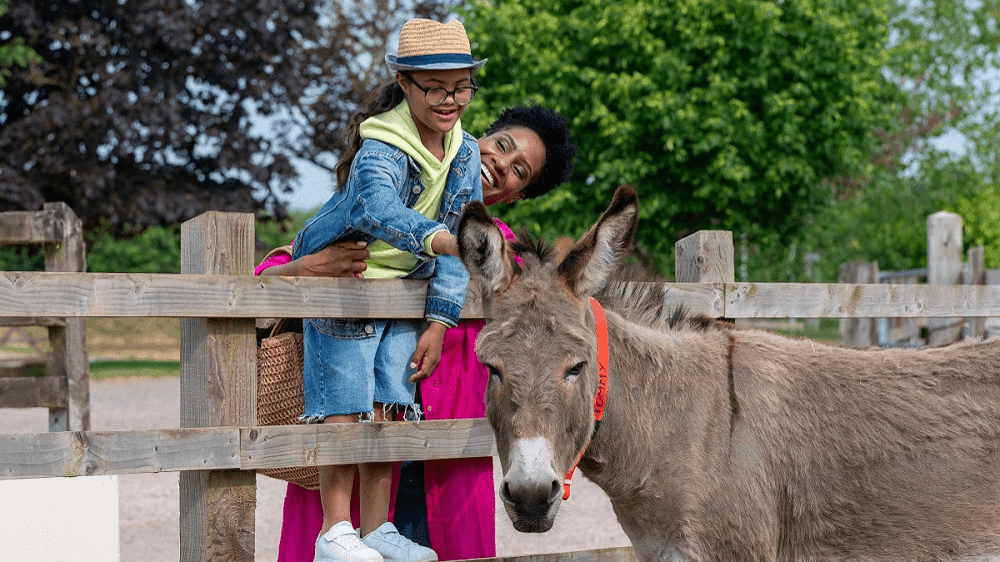
The Donkey Sanctuary
 Children's Farms
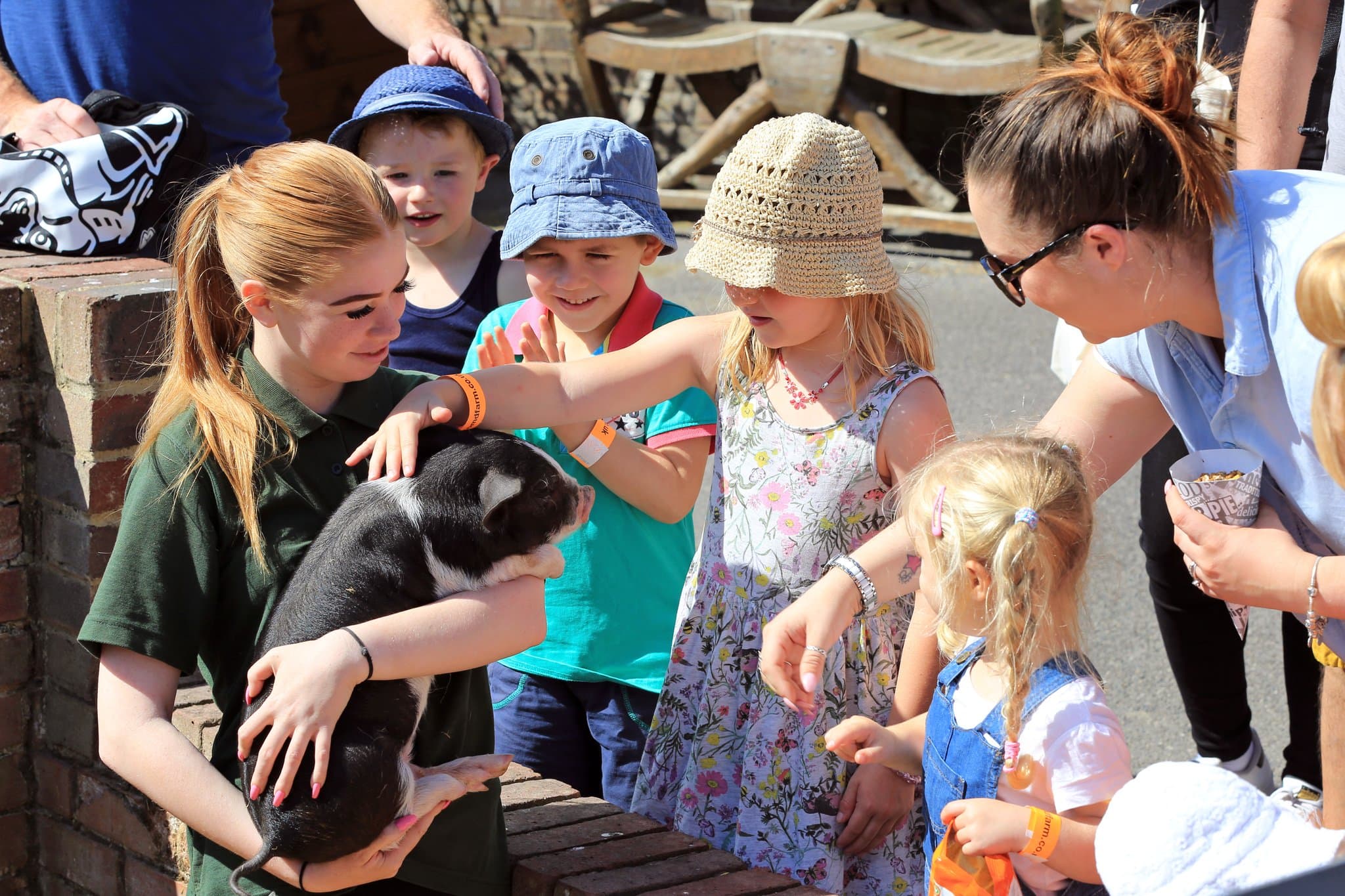
Old MacDonalds Farm & Fun Park
 Zoos and Wildlife Parks
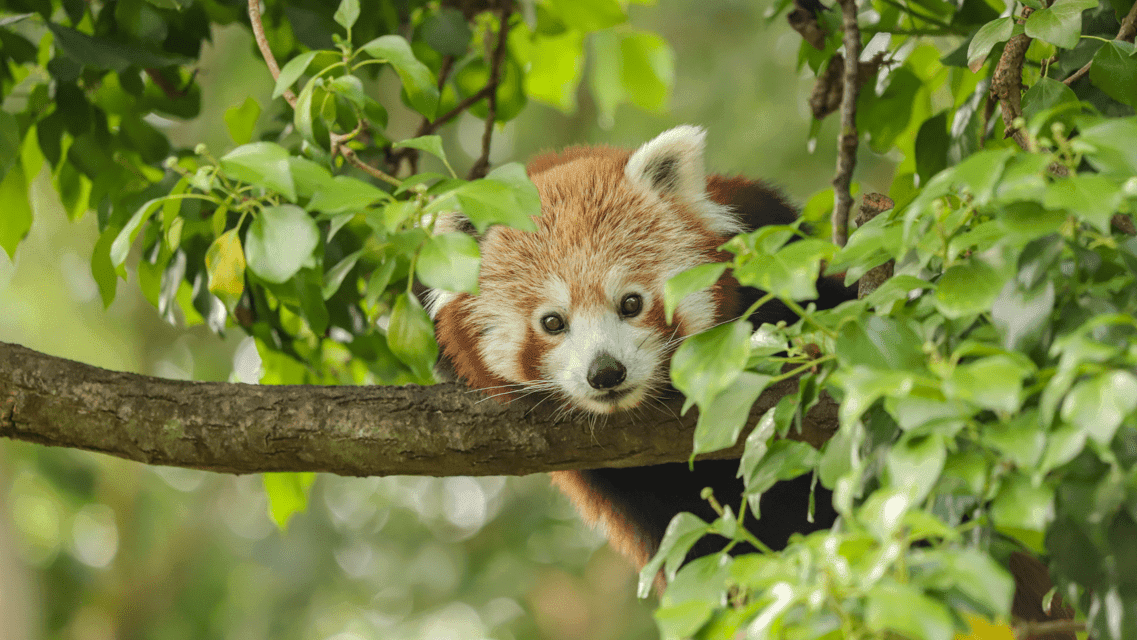
Newquay Zoo
 Children's Farms
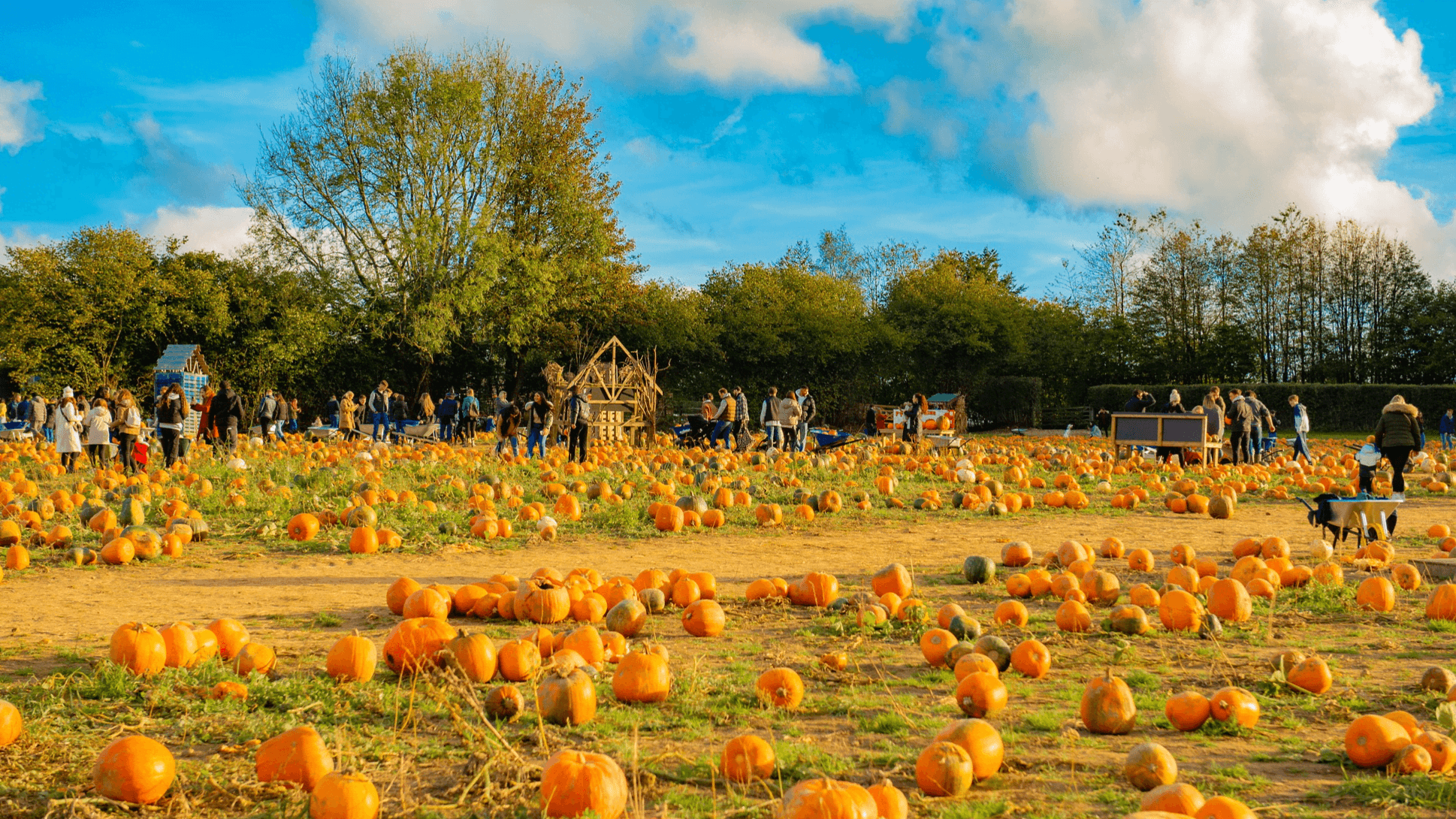
Pumpkin Picking at Tulleys Farm
 Children's Farms
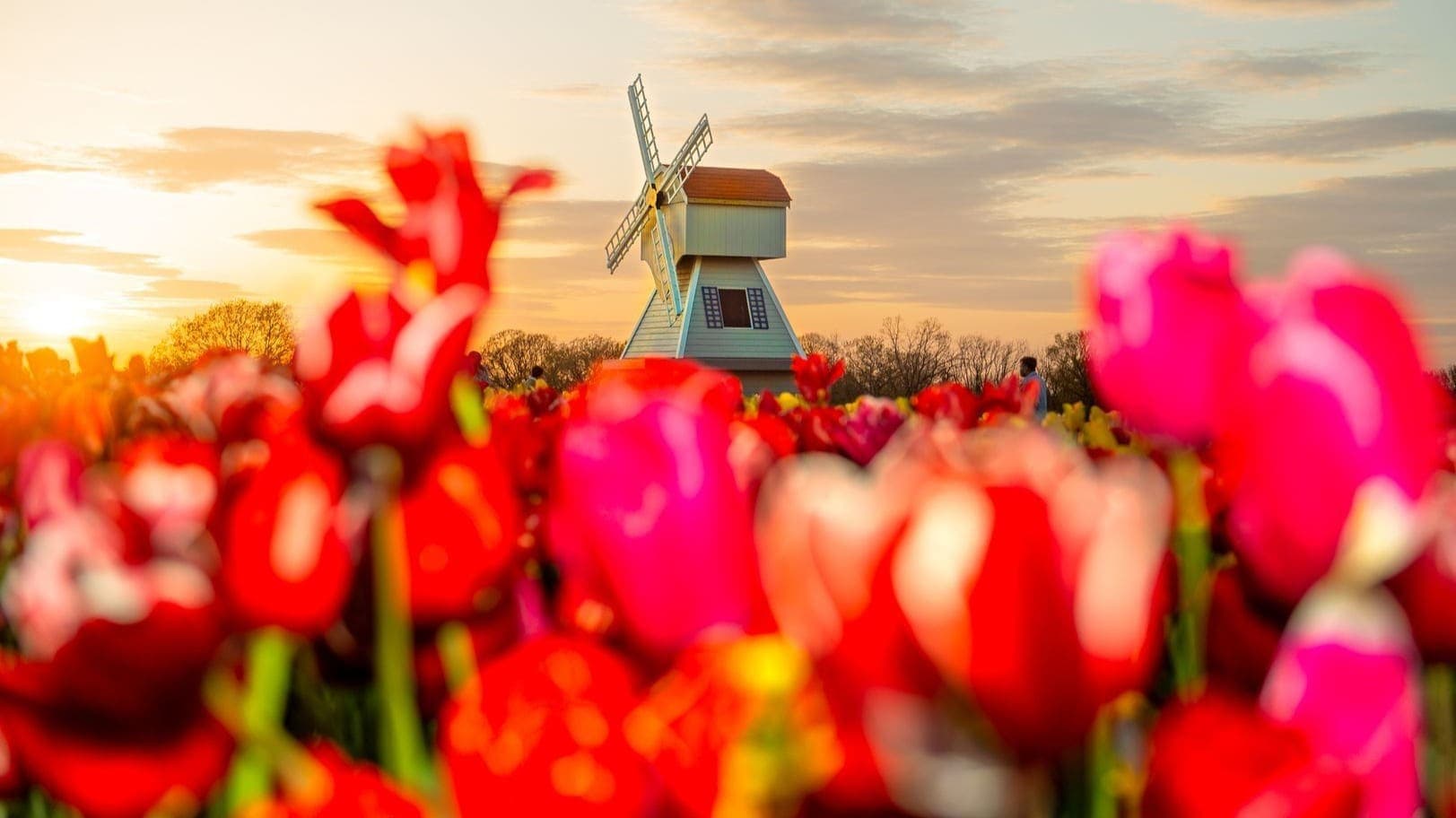
Tulleys Farm
 Sightseeing
Wentworth Garden Centre
 Children's Farms
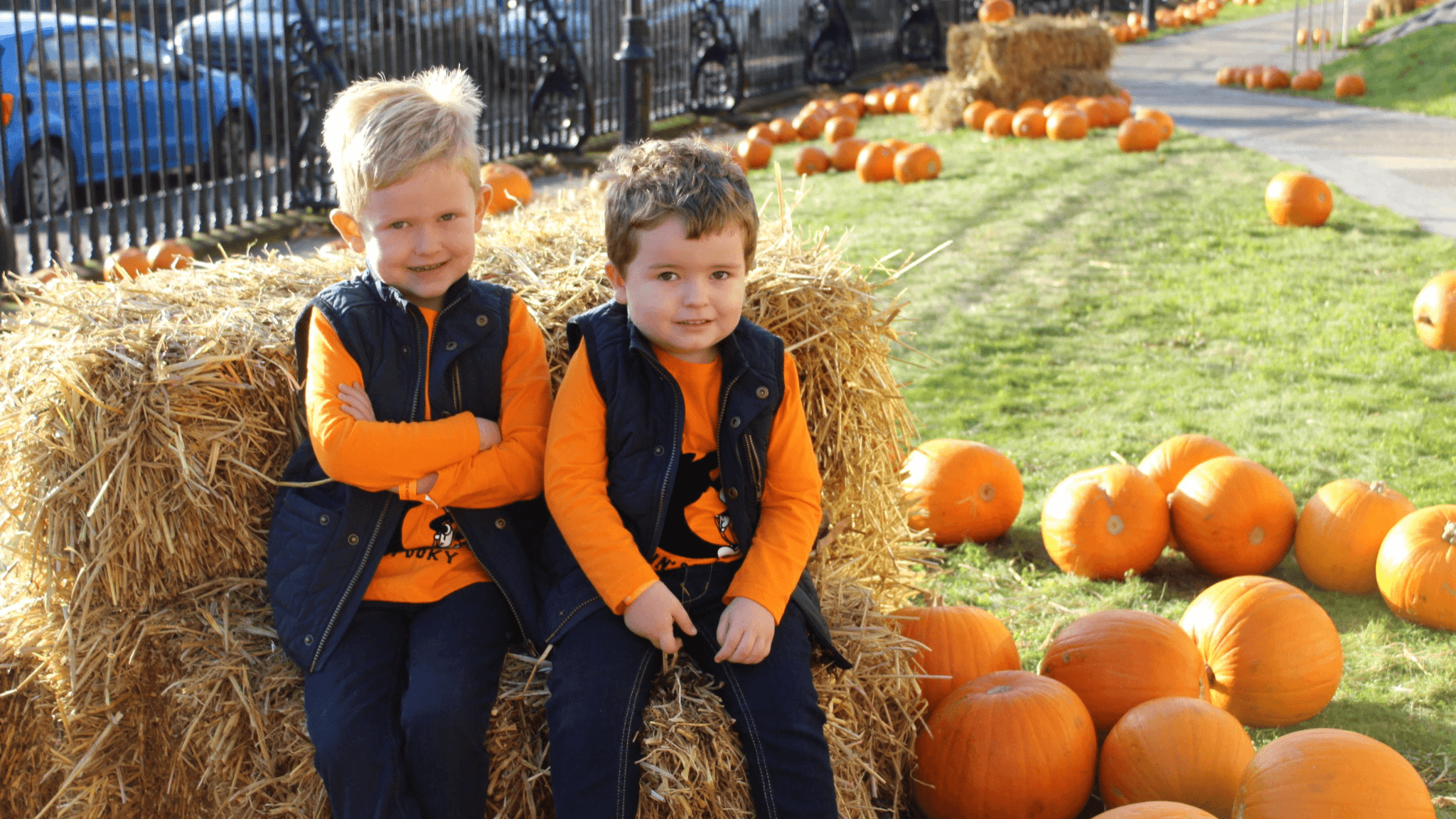
Pumpkin Patch Extravanganza at Crumlin Road Gaol
Farm visits work brilliantly as a half-day or full-day outing, and they're often far less exhausting than bigger attractions. Children can move at their own pace — spending ten minutes watching chickens or an hour exploring the fields without feeling like they're missing out. Bringing a picnic and settling in for the afternoon often creates a more relaxed family experience than rushing through a structured itinerary.
Children's Farms in the UK: FAQs
Are farms suitable for young toddlers and babies?
Most farms welcome children of all ages, including babies, though what activities suit them varies. Toddlers often love seeing animals up close and attempting to help with feeding — activities that farms are designed around. Babies in buggies can be pushed through most farm spaces, though you'll want to check accessibility beforehand, as some routes are muddy or uneven, especially in wet weather. Many farms have quiet indoor areas where you can rest and feed a baby, and most allow you to bring picnics or provide seating for nursing. Always email or call ahead if you're visiting with a very young baby to ask about facilities like changing rooms or sheltered rest areas.
What animals will we encounter at UK farms?
You'll find enormous variety depending on which farm you visit. Most have sheep, goats, chickens, and pigs, as these are the most hands-on friendly species. Many feature alpacas, llamas, horses, rabbits, and ducks — some have more exotic animals like emus or Vietnamese pot-bellied pigs. Seasonal encounters are common: spring might mean newborn lambs and chicks, whilst autumn brings pumpkin-picking activities and harvest themes. The best approach is checking individual farm websites or calling ahead to find out what specific animals or experiences each one offers, as this varies widely across the 380 UK options.
Do children get dirty on farms, and should I be worried?
Yes, children almost certainly will get muddy, dusty, or damp — that's part of what makes farm visits so memorable. Bring clothes your children can get genuinely dirty in, and pack a full change including socks and shoes, not just a spare top. Most farms have outdoor water taps or hose points where you can rinse off the worst of the mud before leaving, though not all have proper handwashing facilities, so bring hand sanitiser or baby wipes. Farm environments are generally safe, but standard hygiene rules apply: wash hands before eating and after handling animals. The mud and natural environment are part of the appeal for many children — the sensory exploration is part of why they remember the day.
Are there free or very cheap farms near me?
Some farms do offer free admission, particularly if they're part of country parks or charitable trusts. However, the majority of children's farms do charge entry fees, which typically cover the cost of animal care, staff supervision, and facilities. Rather than looking for the cheapest option, consider what activities or animals would appeal most to your children and search for farms that specialise in those experiences. Many farms offer annual passes or family packages that make regular visits more affordable. A small number have 'pay what you can' hours or community days, so it's worth emailing local farms directly to ask if they do.