Showing 1–5 of 5 outdoor attractions in Runcorn
 Museums
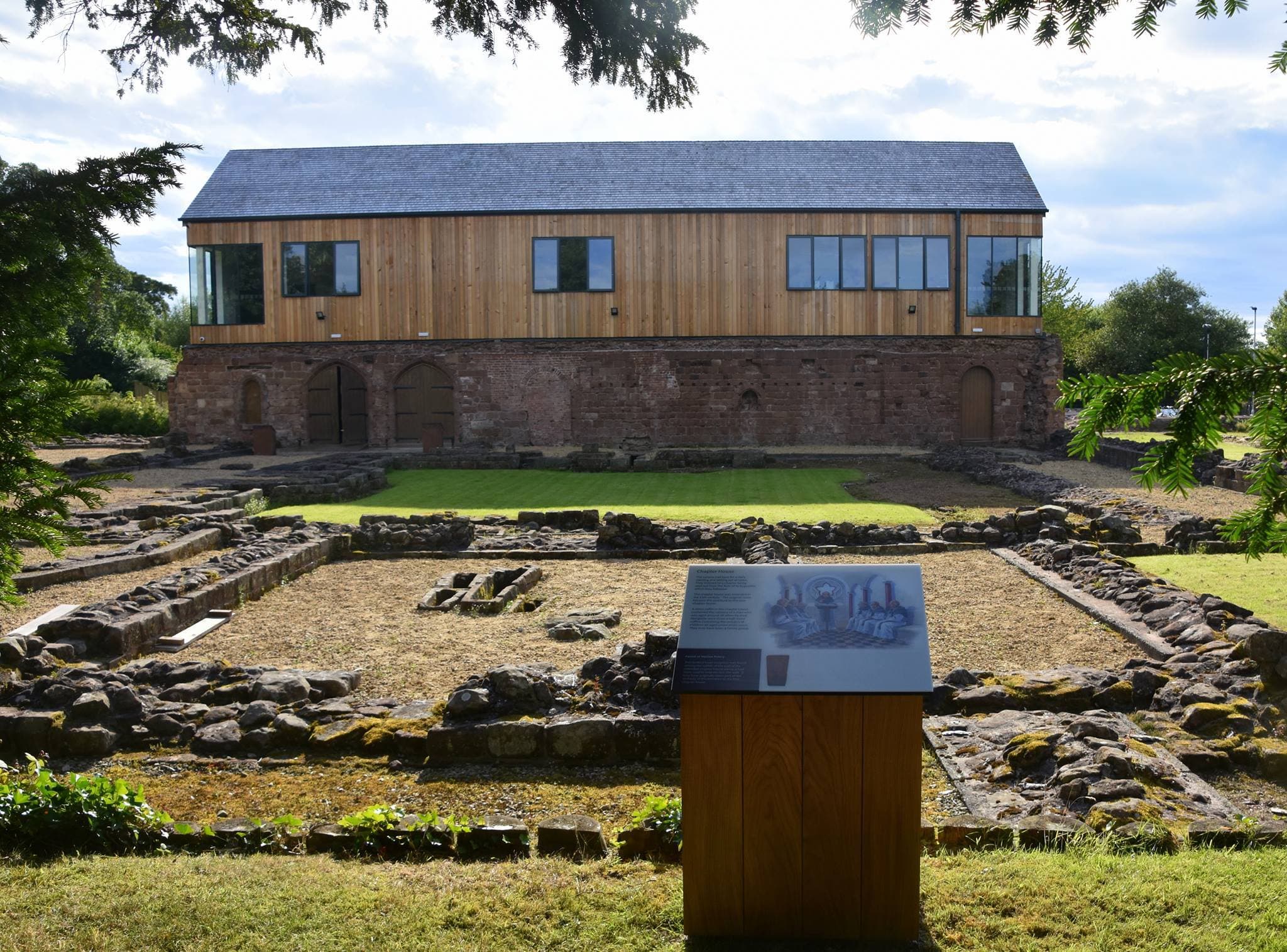
Norton Priory Museum and Gardens
 Parks and Playgrounds
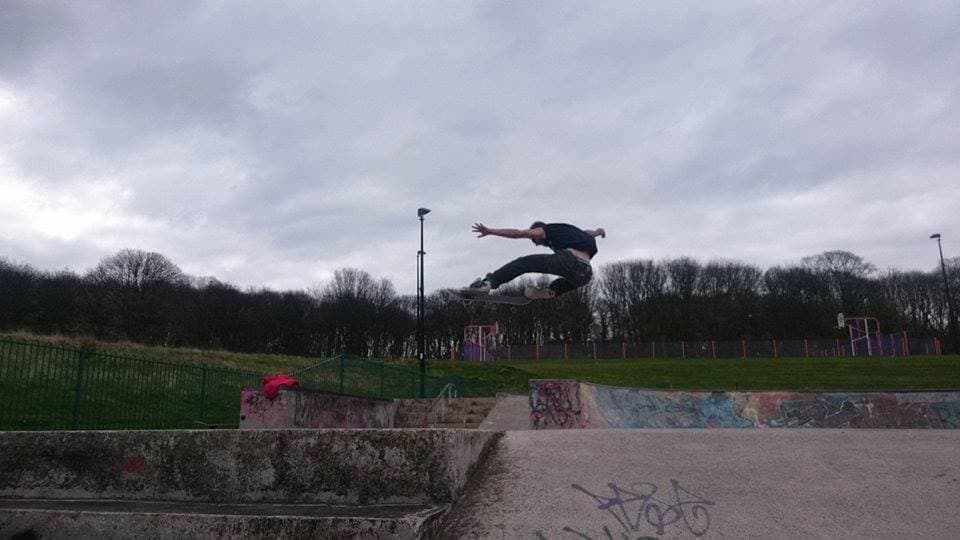
Phoenix Park Runcorn
 Sightseeing
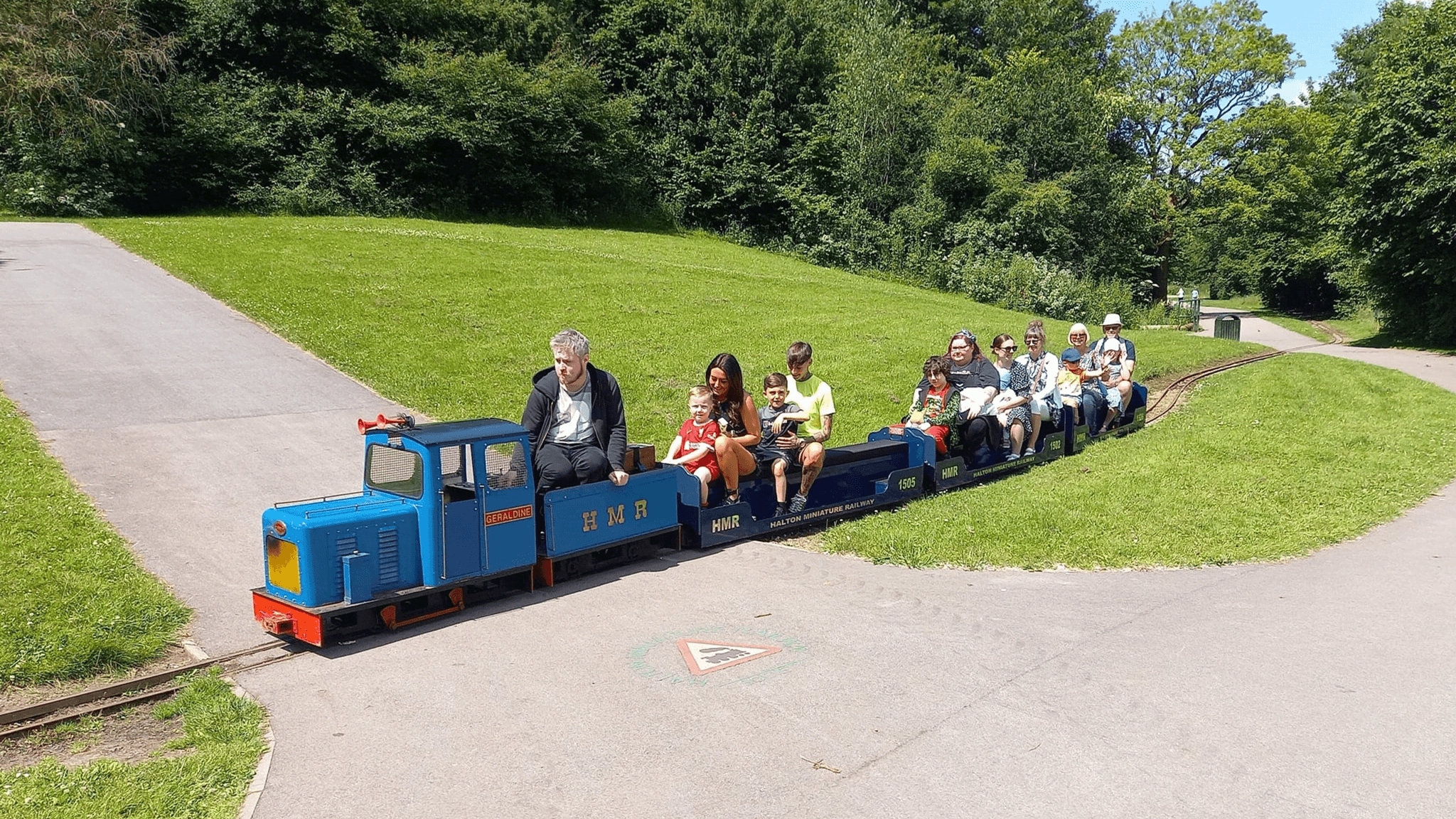
Halton Miniature Railway
 Sports & Activities
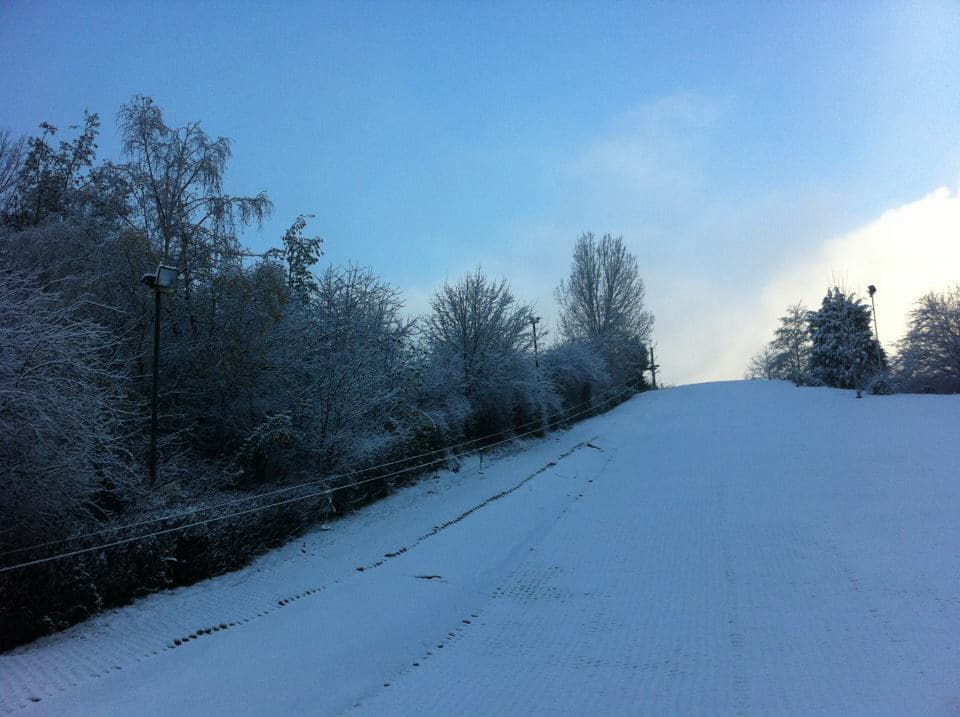
Runcorn Ski Centre
 Sightseeing
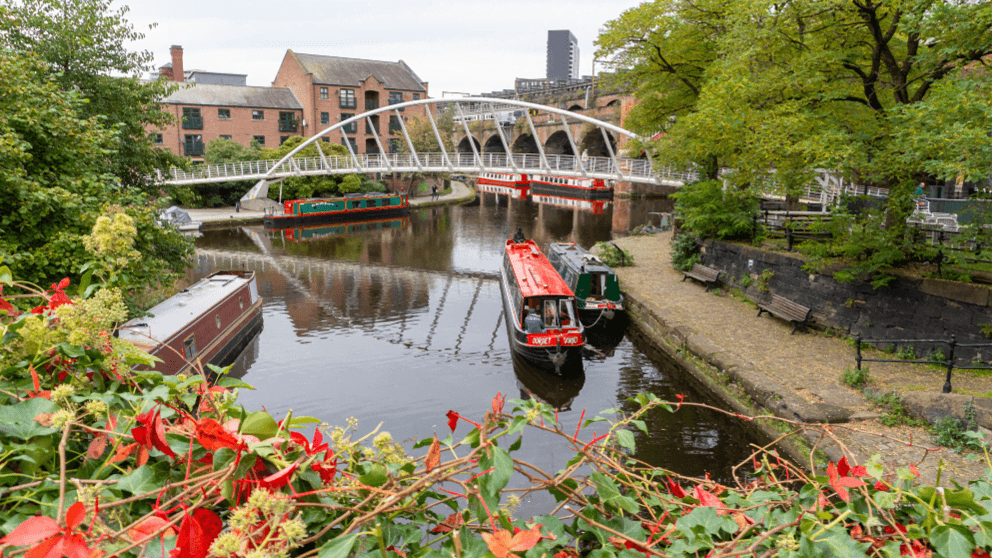
Bridgewater Canal
Outdoor Family Adventures in Runcorn
Runcorn's five outdoor listings barely overlap in the ages they serve. Halton Miniature Railway is squarely an under-eights proposition and makes no apology for it. Runcorn Ski Centre occupies the far end, with a lesson age floor and nothing whatever for a toddler. Phoenix Park Runcorn and the Bridgewater Canal take anybody who turns up, and Norton Priory Museum and Gardens wears an indoor tag too, so part of that visit happens under a roof.
No single entry satisfies a preschooler and a teenager on one afternoon. Accept that early, pick two, and run them on different days rather than assembling one trip that pleases nobody in particular.
Outdoor activities in Runcorn: FAQs
Is a miniature railway worth the trip?
For a child under about seven, yes, and the ones who love trains will talk about it for a week afterwards. Older children ride it once and are finished. Judge it by your youngest, and treat it as forty minutes to be bolted onto something else, not as the whole afternoon.
What age can children start skiing here?
Dry slopes set their own floor, usually somewhere in the early primary years, and they will want to know whether your child has skied before. Book a lesson rather than a general session for a first attempt, because an unsupervised beginner on a dry slope is a fall waiting to happen and the surface is unforgiving.
Anything for a walk with a pram?
The Bridgewater Canal towpath and Phoenix Park Runcorn both take wheels without drama. A towpath is flat, and flat is the whole requirement with a pram, but there is unfenced water running alongside, so it is a route for a sleeping baby rather than a wandering two-year-old.
Is the priory suitable for children?
Norton Priory Museum and Gardens works best from about six, once a child can grasp that the walls were a building people lived in. Younger than that, the gardens do the work and the museum becomes a place to pass through. Its indoor tag means some shelter comes built into the visit.